EU rejects suspending biometric border controls despite 20 ‘difficult spots’
The EU has rejected calls from airports and airlines to suspend its new biometric Entry/Exit System (EES) despite acknowledging "20 difficult spots" causing queue chaos, citing security benefits and system integrity.
Intelligence analysis by Gemini 2.5 Flash
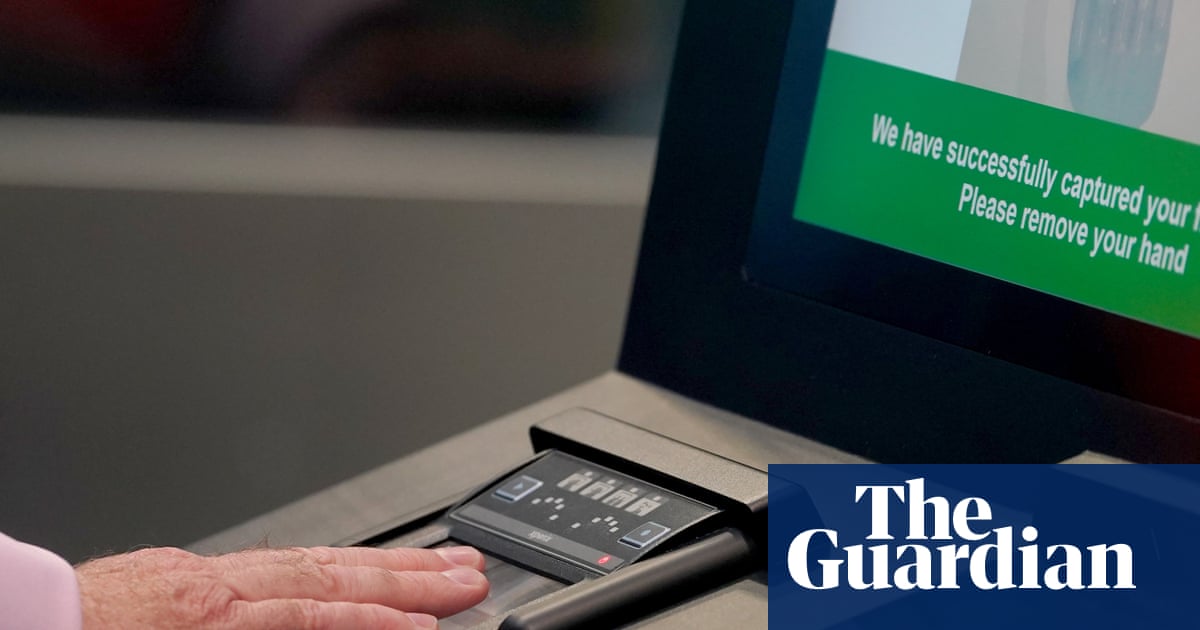
Despite fears from the travel industry about significant delays at airports and border crossings, the EU is pressing ahead with its new biometric border control system for non-EU citizens. Officials admit the system is "not perfect" but argue a full suspension is impossible and unnecessary, emphasizing its role in enhancing security and preventing overstays.
Imagine a special club (the Schengen zone) where people from outside (non-EU travelers) want to visit. Now, to make sure everyone is safe and doesn't stay longer than allowed, the club has a new rule: the first time you enter, you get your picture taken and fingerprints scanned, like a special ID card. This helps the club keep track, but sometimes it makes the line to get in a bit longer, especially when lots of people arrive at once, and the club says it's too important to stop, even if some lines are tricky.
Analysis
The EES System and Industry Concerns
The European Union's new Entry/Exit System (EES) mandates that non-EU passengers register fingerprints and facial images upon their initial entry into the Schengen zone, with subsequent biometric verification required for all future entries and exits. This system, which began full implementation last October after numerous delays, has been met with strong opposition from the travel industry. Airlines, airport representatives, and the International Air Transport Association (Iata) have called for a suspension until next summer, citing widespread "delays and missed connections" in countries like Portugal, Spain, Italy, Greece, and Belgium. Ryanair specifically warned of "queue chaos" at popular holiday airports such as Málaga, Alicante, and Palma, raising concerns about the upcoming peak summer holiday season.
EU's Stance and Justification
Despite these industry concerns, EU officials have firmly rejected the idea of suspending the EES. Their primary argument is that a partial implementation, where the system is operational in some countries but not others, would lead to the "unfortunate situation of travellers stranded at border crossings." Such a scenario could result in passengers being incorrectly registered as overstaying their 90-day allowance, leading to future entry refusals. While acknowledging "20 difficult spots" out of 1,500 border crossing points, the EU maintains that the system is largely functioning and that pressure is being applied to member states to address localized issues, citing examples like Lisbon deploying extra workers and Brussels airport receiving 50 new Frontex staff.
Security Benefits and Implementation Challenges
Introduced to address border control weaknesses exposed by terror attacks in 2015 and 2016, the EES is already demonstrating its intended security benefits, according to EU officials. The system has recorded 110 million journeys and led to approximately 44,500 entry refusals. These refusals primarily target individuals lacking appropriate justification for their visit, overstaying their 90-day allowance (around 9,000 cases), or posing a threat to internal security (over 1,000 individuals). The EES also effectively prevents individuals with dual nationality from circumventing the 90-day rule by using different passports. However, the system's full potential is hampered by ongoing implementation challenges, such as delays with French technology at Eurotunnel, which has invested £80 million in infrastructure that remains partially unused, and the limited rollout of a time-saving mobile app developed by Frontex, which is only fully operational in Sweden and partially in Portugal.
Key points
- The EU has rejected calls from the travel industry to suspend its new biometric Entry/Exit System (EES) for non-EU travelers.
- The EES requires non-EU passengers to register fingerprints and facial images upon first entry to the Schengen zone, with subsequent biometric verification.
- Airlines and airports fear "queue chaos" and delays at 20 identified "difficult spots," particularly during the upcoming summer holiday season.
- The EU insists a full suspension is "not possible" due to the risk of stranding travelers and compromising the system's integrity and security benefits.
- The system has already processed 110 million journeys and led to 44,500 entry refusals, primarily for overstaying or lacking justification for visits.
EU officials are confident that the EES system is already delivering on its security objectives, effectively identifying individuals who overstay or pose a threat. As member states continue to adapt and deploy additional resources, the initial "difficult spots" are expected to improve, leading to a more secure and efficient border management system in the long run.
The travel industry's concerns suggest that the unresolved "difficult spots" could escalate into widespread "queue chaos" during the peak summer season, leading to significant travel disruptions, missed connections, and a negative impact on tourism. This could result in financial losses for airlines and airports, and a frustrating experience for millions of travelers.