EU to lead talks on support for Ukraine with US, Nato, partners – Europe live
The EU will convene talks with the US, France, Germany, Britain, Nato, and the World Bank to discuss ongoing support for Ukraine, including aid for winter and peace process negotiations.
Intelligence analysis by Gemini 2.5 Flash Lite
As attention remains on US midterm election results, the European Commission is proactively organizing discussions with key international partners to ensure continued support for Ukraine through the winter and to advance peace negotiations.
Imagine Ukraine is like a friend who's having a really tough time. The European Union is gathering other friends, like the US and big groups like NATO, to figure out how to help their friend get through the cold winter and find a way to stop the trouble for good.
Analysis
European Commission
The European Commission is stepping into a leadership role to coordinate international support for Ukraine, signaling a proactive stance in global diplomacy. By convening discussions with major powers including the United States, France, Germany, and Britain, alongside key organizations like NATO and the World Bank, the EU aims to present a united front in assisting Kyiv. This collaborative effort is particularly crucial as it seeks to address immediate needs, such as aid for the upcoming winter months, and to lay the groundwork for future peace negotiations. The planned talks in Abu Dhabi underscore the global nature of these diplomatic efforts, extending beyond European borders.
This initiative also comes at a time of significant political flux in the United States, with midterm election results potentially influencing future foreign policy directions. The EU's move to lead these discussions demonstrates a strategic effort to maintain momentum and continuity in support for Ukraine, regardless of external political shifts. It positions the EU as a central architect in the ongoing international response to the conflict, emphasizing its commitment to stability and security in Eastern Europe.
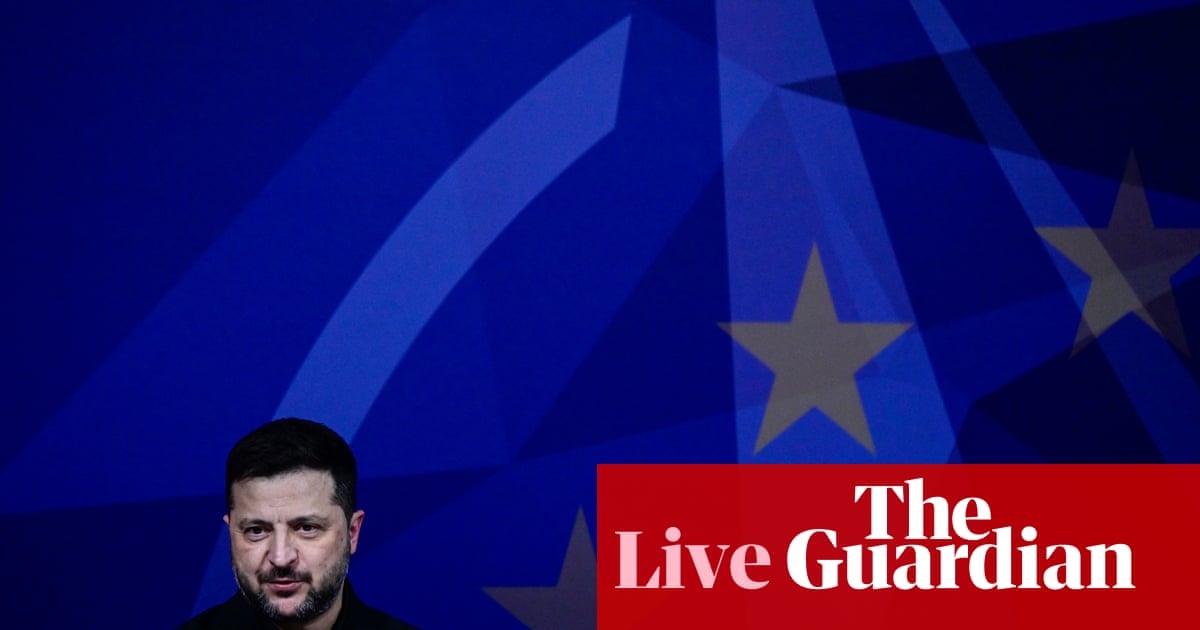
Volodymyr Zelenskyy
Volodymyr Zelenskyy's participation, likely through a keynote speech at the Berlin Security Conference, underscores the critical importance of international engagement for Ukraine's continued resilience. His presence, even if virtual or represented by delegates, serves as a powerful reminder of the ongoing conflict and the urgent need for sustained international backing. The discussions spearheaded by the European Commission are directly aimed at bolstering Ukraine's defense capabilities and economic stability, elements vital for its survival and eventual recovery.
The focus on supporting Ukraine through the winter and engaging in peace process negotiations highlights the multifaceted nature of the support required. This includes not only military and financial aid but also diplomatic efforts to foster a lasting resolution. Zelenskyy's continued advocacy on the international stage is instrumental in maintaining global attention and support for Ukraine's cause, ensuring that the needs of the Ukrainian people remain at the forefront of international policy discussions.
Abu Dhabi
The mention of upcoming negotiations in Abu Dhabi signifies a broadening of the diplomatic landscape for resolving the conflict in Ukraine. This choice of venue suggests an effort to engage a wider array of international actors and to explore diverse avenues for peace, moving beyond traditional European-centric forums. The involvement of the US-led peace process, with negotiators meeting in Brussels, indicates a coordinated, multi-pronged approach to achieving a resolution.
By including Abu Dhabi as a venue for peace talks, the EU and its partners are likely seeking to leverage the unique geopolitical position and influence of the United Arab Emirates. This strategic inclusion could facilitate broader international consensus and commitment to any peace agreement reached. The success of these negotiations will hinge on the sustained cooperation and unified commitment of all participating nations, underscoring the complex diplomatic challenges ahead.
Key points
- The European Commission will lead talks with the US, France, Germany, Britain, NATO, and the World Bank on Ukraine support.
- Discussions will focus on aid for Ukraine through the winter and support for US-led peace process negotiations.
- The talks are taking place amidst the backdrop of US midterm election results and ongoing attacks on Ukraine.
- European leaders have reacted to the US midterm election outcomes, with some expressing relief and others cautious optimism.
- Upcoming negotiations related to the peace process are scheduled to take place in Abu Dhabi.
The EU's proactive leadership in coordinating international support could lead to a more robust and sustained aid package for Ukraine, ensuring its resilience through the winter and strengthening its position in future peace negotiations. This unified approach may also encourage broader international commitment to a lasting resolution.
Despite coordinated efforts, internal political shifts, particularly in the US, could create uncertainties in the level and consistency of support for Ukraine. Furthermore, the complexity of peace negotiations and the ongoing hostilities pose significant risks to achieving a stable and lasting resolution.