'Failure of judicial system': SC on 45-year-old case
SC suspends sentence of bedridden convict in 45-year-old double murder case due to inordinate delay in trials.
Intelligence analysis by Qwen 2.5 (3B)
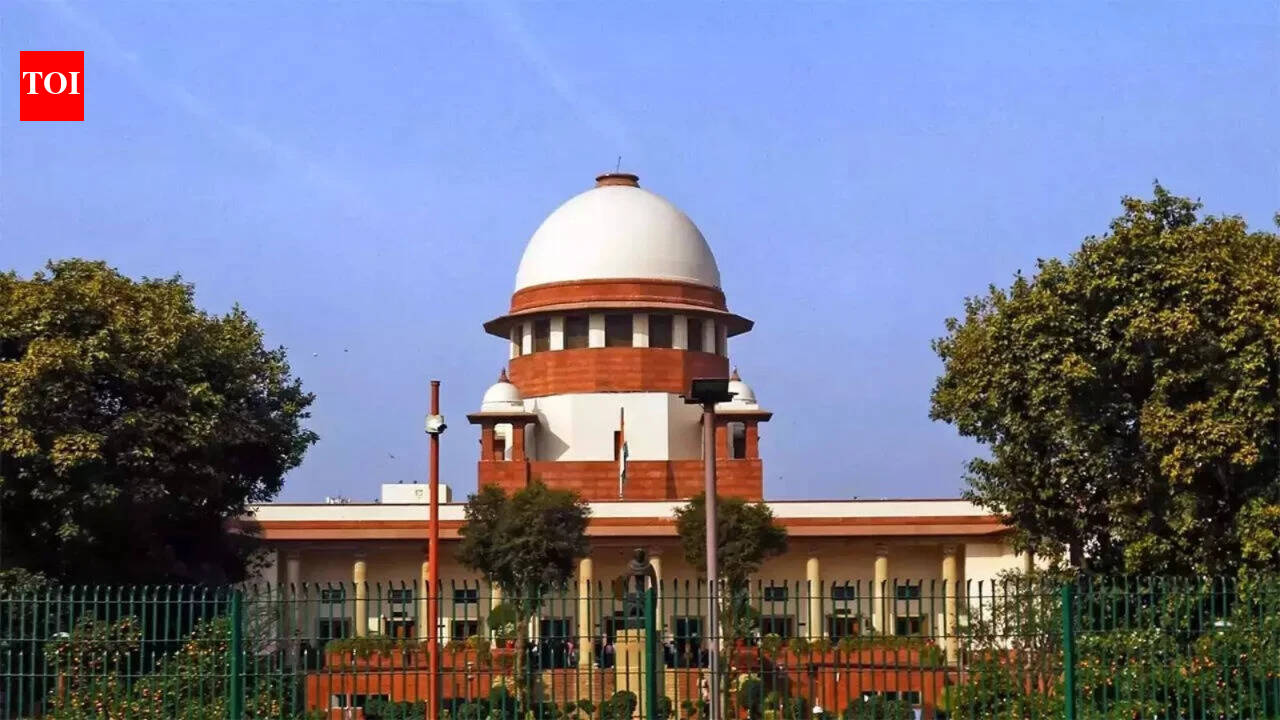
Supreme Court suspends sentence of a bedridden convict in a 45-year-old double murder case due to delays in trials.
The Supreme Court stopped a man from jail because his case took too long to decide. He was in jail for 45 years and is now very old and sick. The court said the system is not working well because it took so long to decide what happened.
Analysis
Inordinate Delays in Judicial Process
The case of a 45-year-old double murder case has been pending for over two decades, with the trial court taking 22 years to complete the trial and the High Court taking another 22 years to decide the appeal. The Supreme Court has now suspended the sentence of the convict due to the inordinate delay.
Impact on the Convict
The convict, who is now in his 70s and bedridden, has been fighting a legal battle in the Supreme Court from jail. His legal representative has argued that the delay has caused grave prejudice and irreparable loss to the convict, especially considering his medical condition.
Reasons for Delays
The court noted that the delay in the trial was caused by the accused absconding for six years. However, the court was concerned with the pendency of criminal appeals and thought it fit to permit the petitioner to implead the Centre in the matter.
Conclusion
The Supreme Court's decision underscores the need for reforms in the Indian judicial system to address the issue of long-standing cases and ensure fair and timely justice for all parties involved.
Key points
- Supreme Court suspends sentence of bedridden convict in 45-year-old double murder case
- Case took 45 years to be decided due to delays in trials
- Convict is now in his 70s and bedridden
- Legal representative argues for immediate release due to prejudice and irreparable loss
- Court permits Centre to be impleaded in the matter
The Supreme Court's decision could lead to faster and more efficient handling of long-standing cases, ensuring that justice is served more quickly.
If the Supreme Court's decision is not followed, the judicial system may continue to be inefficient, leading to further delays and injustices.