FBI, CISA warn of cyberattacks targeting refrigeration systems
The FBI and CISA are warning of cyberattacks targeting refrigeration systems globally, potentially causing food spoilage and equipment damage.
Intelligence analysis by Gemini 2.5 Flash Lite
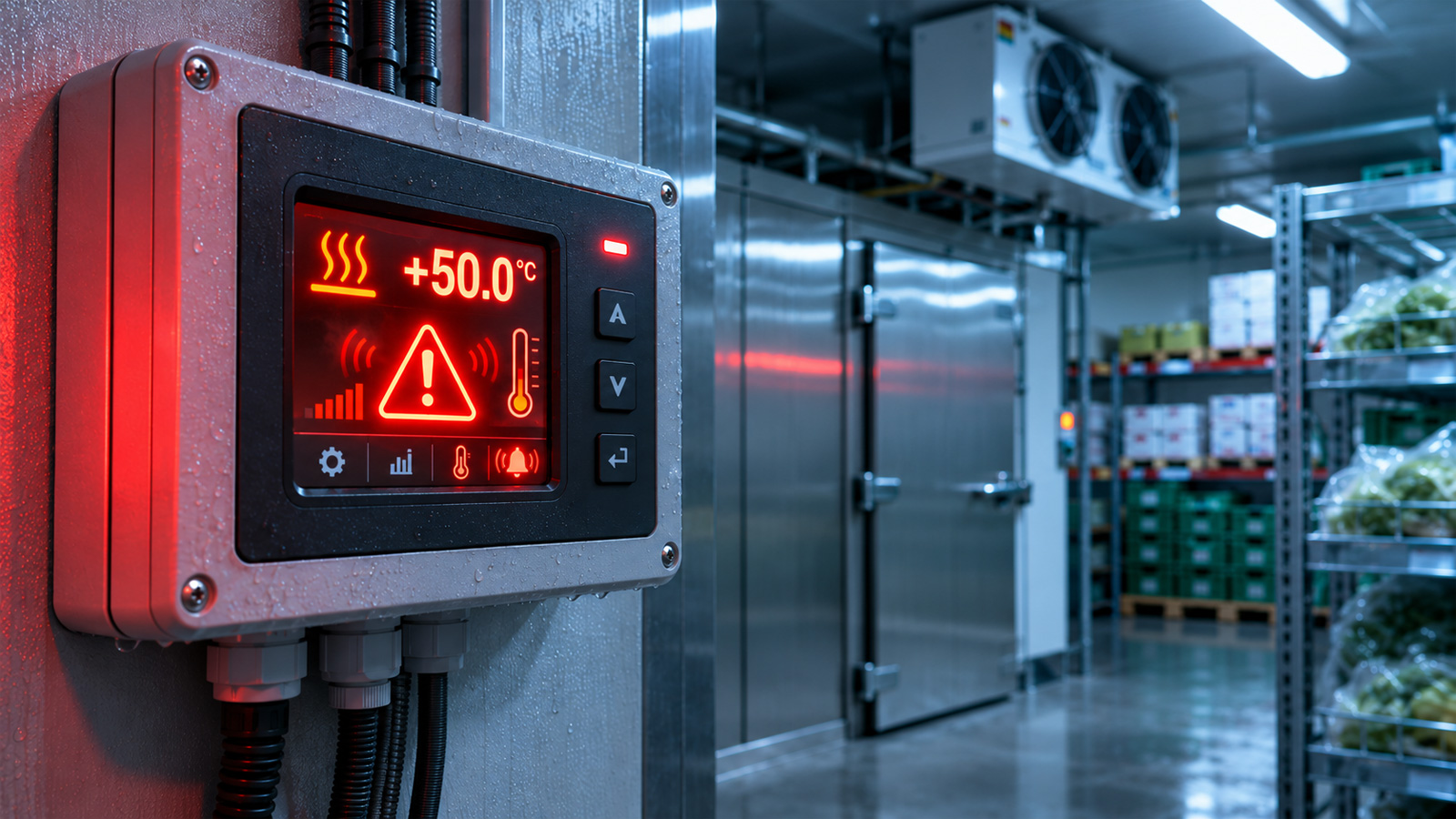
Critical infrastructure operators are urged to secure refrigeration controllers due to active cyberattacks exploiting unpatched systems. These attacks can lead to inventory loss, equipment damage, and fire hazards, as seen in recent incidents affecting supermarkets and blood storage facilities.
Imagine your fridge at home has a little computer that keeps it cold. Bad guys are hacking into these computers in big stores and hospitals to make them too hot, spoiling food or medicine. Security experts are telling everyone to lock these computer controls up tight, like changing the password from '1234' to something secret.
Analysis
Refrigeration Controllers Under Siege
The FBI and CISA have issued a joint warning highlighting a growing trend of cyberattacks specifically targeting industrial refrigeration and cold-chain monitoring systems. These systems are crucial for maintaining temperature-sensitive environments in sectors such as healthcare, food production, chemical facilities, and transportation. The advisory emphasizes that any organization relying on these systems should consider itself a potential target. Attackers are actively exploiting vulnerabilities in electronic temperature controllers and commercial refrigeration management systems that are either unpatched or exposed to the internet. These devices, often used for remote monitoring and control of cooling equipment, present an attractive entry point for malicious actors.
Exploitation Tactics and Consequences
Attackers are leveraging various methods to compromise these systems, including authentication bypass vulnerabilities, arbitrary code injection flaws, and weak default configurations. By manipulating these weaknesses, threat actors can alter temperature settings, forcing refrigeration units into continuous heating cycles or prolonged defrost modes. The consequences of such attacks are multifaceted and severe. They can result in significant inventory losses due to spoilage, shorten the operational lifespan of expensive equipment, and even create dangerous fire hazards. Furthermore, attackers may obscure real-time temperature data, preventing operators from detecting critical issues and responding effectively, thereby exacerbating the damage.
Recent Incidents and Mitigation Strategies
The warning is underscored by recent real-world incidents. In October, an estimated 250 to 350 French supermarkets experienced disruptions when hackers compromised their refrigeration controllers, activating defrost functions and causing temperatures to rise. A subsequent wave of attacks affected over 115 stores across six European countries, with some systems shutting down entirely and others reaching dangerously high temperatures. The French Blood Establishment (EFS) also confirmed an incident affecting blood product storage facilities due to a compromised refrigeration equipment provider. In response, U.S. agencies recommend immediate mitigation steps: removing controllers from the public internet, securing remote access, changing default passwords, applying security updates, isolating operational technology (OT) from business networks, and enforcing safe temperature limits.
Key points
- FBI and CISA warn of active cyberattacks targeting industrial refrigeration and cold-chain monitoring systems.
- Attackers exploit unpatched or internet-accessible controllers to manipulate temperatures, causing spoilage and equipment damage.
- Recent attacks have disrupted supermarkets and blood storage facilities in Europe.
- Recommended mitigations include removing controllers from the internet, changing default passwords, and patching systems.
By heeding the warnings and implementing recommended security measures, organizations can significantly reduce their vulnerability to these attacks. Proactive patching, network segmentation, and robust access controls can fortify refrigeration systems, ensuring the integrity of cold chains and preventing costly disruptions.
If organizations fail to act on these warnings, the continued exploitation of unpatched and internet-exposed refrigeration controllers could lead to widespread food spoilage, significant economic losses across multiple industries, and potential public health risks due to compromised storage of sensitive materials.