FBI most-wanted cartel boss captured; gunfire at stadium sparks panic - video
Mexican drug cartel leader Fausto Isidro Meza-Flores, known as "El Chapo Isidro" and listed among the FBI's most wanted, was reportedly captured, leading to violent gunfire in Sinaloa state and panic at a baseball stadium.
Intelligence analysis by Gemini 2.5 Flash
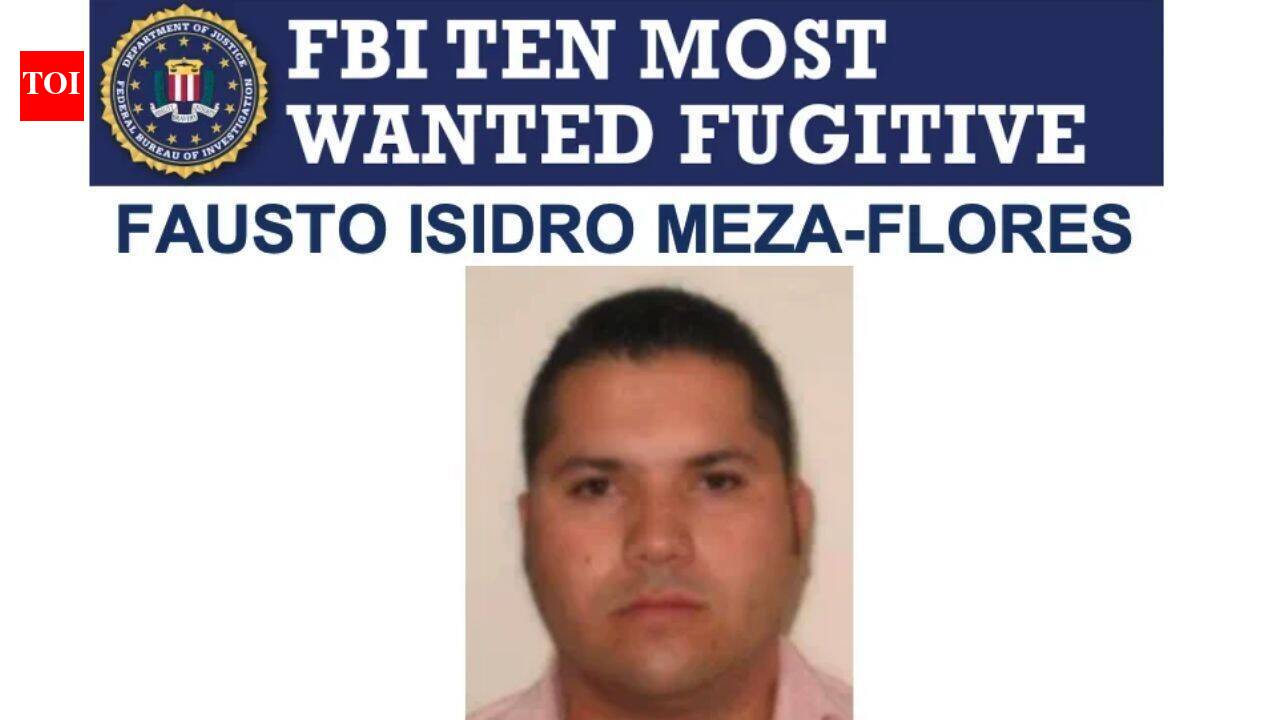
The reported capture of "El Chapo Isidro," a notorious Mexican cartel boss, by the country's military sparked intense gunfire in Guasave, Sinaloa. The violence disrupted a baseball game at Kuroda Park, causing fans to flee in panic, as security forces engaged in a significant operation.
Imagine there's a really big bad guy, like a supervillain, who helps send lots of illegal stuff across borders. The police from another country, the FBI, really wanted to catch him. One day, the police in his own country tried to get him, and there was a big shootout near a baseball game! People watching the game got scared and ran away. If they really caught him, it means one less big bad guy causing trouble.
Analysis
The reported capture of Fausto Isidro Meza-Flores, widely known as "El Chapo Isidro," marks a significant development in the ongoing battle against drug trafficking in Mexico and its international implications. Meza-Flores, who allegedly leads the Meza-Flores Transnational Criminal Organisation (Los Mazatlecos), has been a high-priority target for both Mexican authorities and the FBI, featuring on the latter's list of 10 most wanted fugitives. His apprehension, if officially confirmed, represents a substantial blow to a criminal enterprise accused of extensive drug trafficking and a range of violent crimes. The operation itself was characterized by intense confrontations, underscoring the dangerous and often volatile nature of such high-profile arrests in regions deeply entrenched in cartel activity.
Fausto Isidro Meza-Flores
Fausto Isidro Meza-Flores has been a central figure in Mexico's drug underworld for two decades, initially operating independently before ascending to lead the Meza-Flores cartel. The FBI has accused him and his network of orchestrating the flow of vast quantities of illicit drugs, including fentanyl, cocaine, heroin, and methamphetamine, into the United States. This sustained trafficking has contributed significantly to the opioid crisis and other public health challenges in the US. Beyond drug distribution, his organization is also implicated in a litany of other severe crimes, such as kidnapping, extortion, torture, and murder, painting a picture of a ruthless and expansive criminal empire. His indictment in a US federal court dates back to 2012, with a superseding indictment issued in 2019, reflecting the persistent efforts by American law enforcement to bring him to justice.
Sinaloa State
The reported capture unfolded in Guasave, a city within Sinaloa state, a region notoriously known as the heartland of some of Mexico's most powerful drug cartels. Sinaloa has historically been a hotbed for cartel operations, including the infamous Sinaloa Cartel, and has frequently witnessed violent clashes between rival groups and with government forces. The incident at Kuroda Park stadium, where a baseball game was interrupted by gunfire and fans were seen scrambling for safety, vividly illustrates the pervasive impact of cartel violence on everyday life in these areas. The sight of Mexican security force helicopters engaging targets from the air further emphasizes the scale and intensity of the operation required to confront such high-level criminal figures in their strongholds. This event underscores the persistent security challenges faced by the Mexican government in asserting control over territories dominated by organized crime.
$5 Million Reward
The United States government had placed a substantial bounty of up to $5 million for information directly leading to the arrest or conviction of Meza-Flores. This significant reward highlights the strategic importance the US places on dismantling major drug trafficking organizations and apprehending their leaders. Such financial incentives are a common tool in international law enforcement efforts, designed to encourage cooperation and intelligence sharing that can penetrate the secretive structures of cartels. The successful capture, if confirmed, would validate the effectiveness of such programs and demonstrate a tangible outcome of cross-border collaboration in combating transnational crime. It also sends a clear message to other cartel leaders about the relentless pursuit by international authorities.
Key points
- Fausto Isidro Meza-Flores, known as "El Chapo Isidro," an FBI most-wanted cartel boss, was reportedly captured by Mexican military.
- The arrest triggered violent gunfire in Sinaloa state, specifically in Guasave.
- A baseball game at Kuroda Park stadium was disrupted, with fans panicking and fleeing.
- Meza-Flores is accused of leading the Meza-Flores Transnational Criminal Organisation, trafficking various drugs into the US.
- The US government offered a reward of up to $5 million for information leading to his arrest or conviction.
The reported capture of a major cartel leader could significantly disrupt drug trafficking operations, potentially reducing the flow of illicit substances like fentanyl into the United States. It might also signal enhanced cooperation between Mexican and US authorities, leading to more effective crackdowns on organized crime and improved security in affected regions.
The arrest of a high-ranking cartel boss often triggers retaliatory violence or power struggles among rival factions, potentially leading to increased instability and bloodshed in Sinaloa and other areas. The lack of official confirmation also leaves room for uncertainty, and the cartel's operations could quickly adapt under new leadership.