Fermented foods vs probiotics: Expert explains differences, benefits and what to look for
Expert explains differences between fermented foods and probiotics, and what to look for when choosing foods for gut health.
Intelligence analysis by Qwen 2.5 (3B)
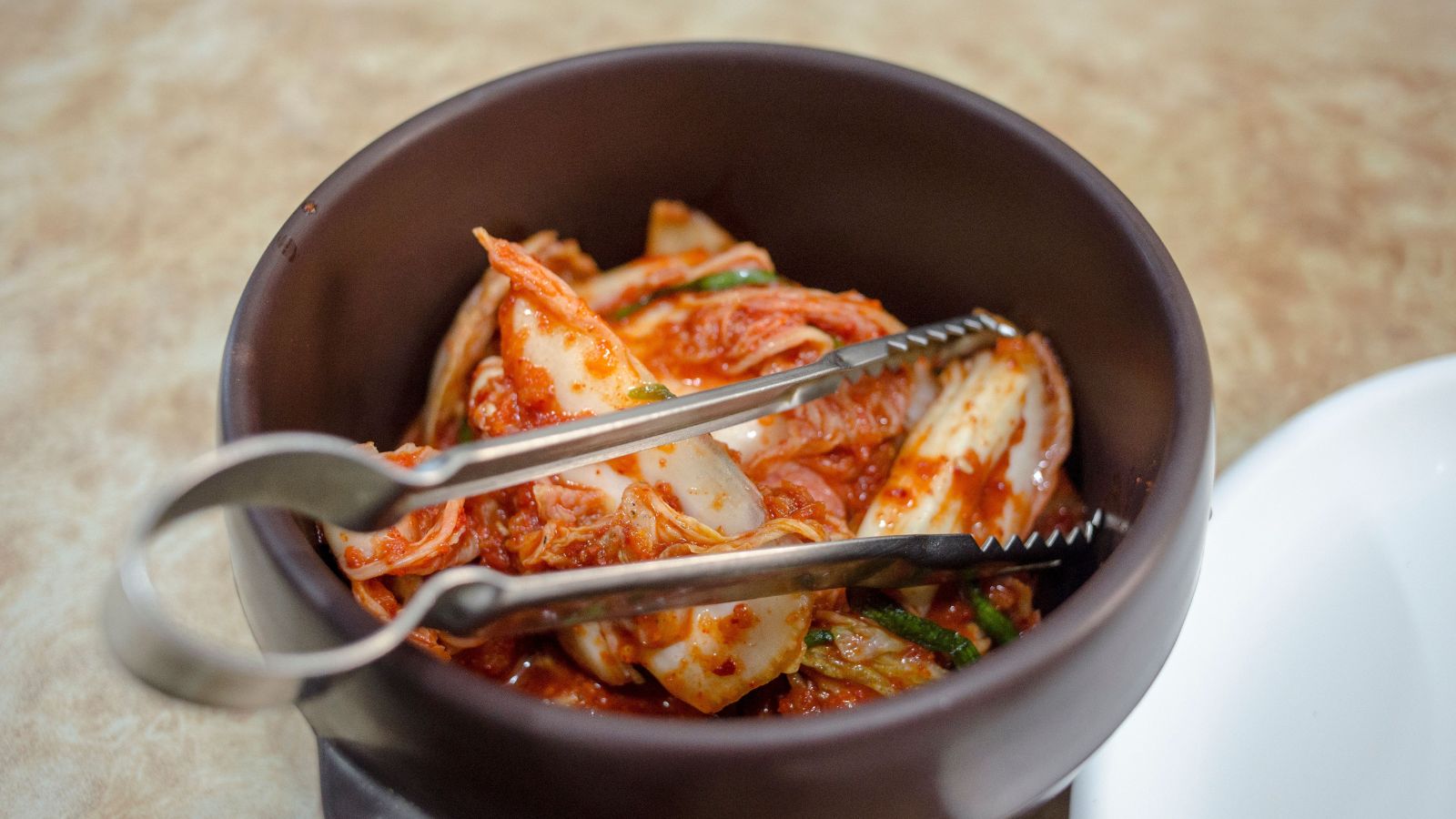
An expert discusses the differences between fermented foods and probiotics, and provides guidance on choosing foods for gut health.
Fermented foods are foods that have been made by letting bacteria and yeast break down sugars in the food. Probiotics are good bacteria that live in your gut and help keep you healthy. Not all fermented foods have probiotics, and some fermented foods might not have any live bacteria at all. So, when you buy fermented foods, look for ones that say they have live cultures and check if they have any health benefits.
Analysis
Understanding Fermentation and Probiotics
Fermentation is a natural process that relies on micro-organisms such as bacteria and yeast to break down sugars and other components of food. It affects the taste, texture, smell, and shelf life of the food. Examples of fermented foods include curd, kimchi, kombucha, and sourdough.
What Are Probiotics?
Probiotics are live micro-organisms that, when administered in adequate amounts, confer a health benefit on the host. Certain bacteria used in the fermentation process can be classified as probiotics, but only when their beneficial effects are demonstrated.
Factors Affecting Fermented Foods
The preparation, processing, and storage of fermented food can affect the live microbial content. For example, curd containing live cultures may provide beneficial microorganisms, whereas heat-treated fermented products may contain few or no living microbes. Pasteurisation after fermentation kills many live bacteria.
Choosing Fermented Foods Wisely
When buying fermented products, look for labels that indicate live and active cultures. Seek out information about specific microbial strains and their proven health benefits. Preparation methods, hygiene, and appropriate storage are just as important for homemade fermented foods.
Key points
- Fermentation is a natural process that breaks down sugars in food.
- Probiotics are live bacteria that can help keep you healthy.
- Not all fermented foods contain probiotics.
- Preparation, processing, and storage can affect the live microbial content in fermented foods.
- When choosing fermented foods, look for labels that indicate live and active cultures.
By understanding the differences between fermented foods and probiotics, people can make better choices about what to eat to support their gut health.
If people don't understand the difference, they might choose fermented foods that don't have any live bacteria, which won't help their gut health.