Flying with his feet on the ground: Why this SAF scholar chose intelligence over the cockpit
Aerospace engineer Florian Ableitner switched from pilot training to military intelligence due to the evolving nature of warfare and emerging technologies.
Intelligence analysis by Qwen 2.5 (3B)
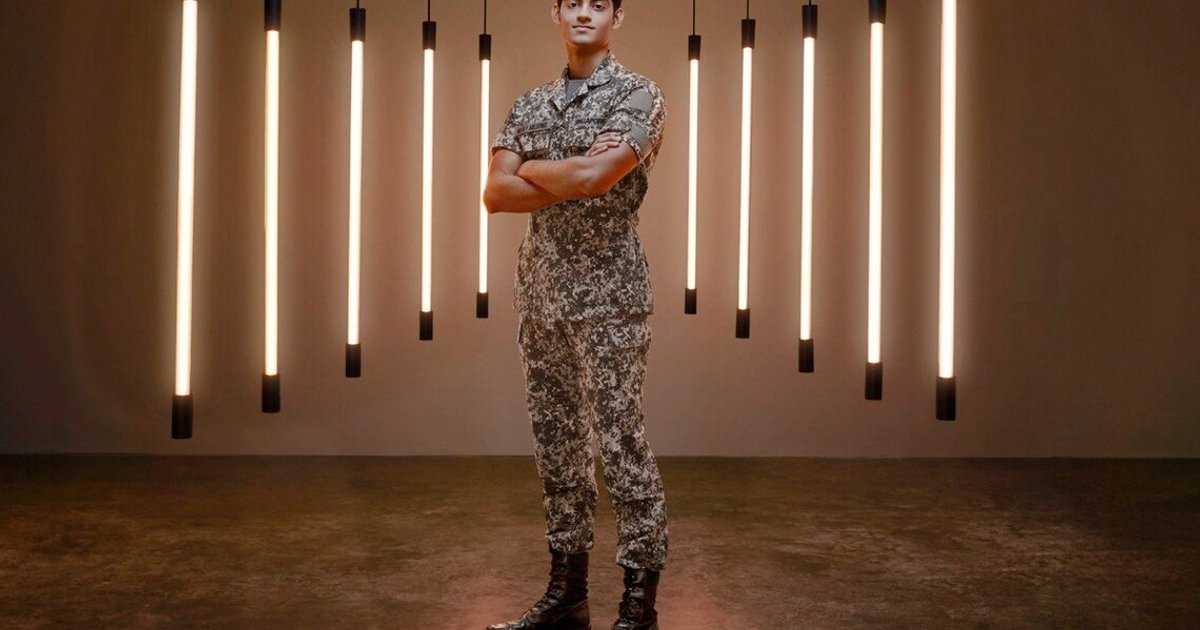
Aerospace engineer Florian Ableitner, who initially wanted to be a pilot, switched to military intelligence after realizing the changing nature of warfare and the role of technology in modern defense.
Ableitner used to want to be a pilot, but he realized that the future of defense involves more intelligence work. He learned about technology and how it can help make sense of information in real-time, which led him to study aerospace engineering and work in intelligence.
Analysis
{"
The Transition from Pilot to Intelligence Specialist":"Ableitner's journey began with his time at the Singapore Youth Flying Club, where he saw the challenges of flying and the importance of situational awareness. However, his interest shifted when he joined Officer Cadet School and learned about the C4I community, which focuses on making sense of a constantly changing security picture. Ableitner's fascination with technology and its application in intelligence work led him to pursue the SAF Merit Scholarship and study aerospace engineering at Nanyang Technological University (NTU).","
The Role of Technology in Intelligence":"During his university studies, Ableitner worked with a team to improve visual-recognition algorithms for the SAF Computer Vision Unit. This experience taught him the importance of technology in transforming raw data into actionable intelligence. His final-year project involved building autonomous drones, which further reinforced his understanding of technology's role in modern warfare.","
Challenges and Adaptation":"Ableitner's experience with autonomous drones highlighted the importance of testing technology in real-world conditions. The project demonstrated that technology often behaves differently in the real world compared to simulations. This lesson has become increasingly relevant as warfare becomes more data-driven and automated."}
Key points
- Ableitner switched from pilot training to military intelligence due to the changing nature of warfare and the role of technology.
- His university studies and work with autonomous drones taught him the importance of technology in intelligence.
- The real-world challenges of technology, such as unpredictable behavior, highlight the need for continued adaptation and testing.
As technology continues to evolve, the role of intelligence in modern warfare will become even more critical. Ableitner's experience with autonomous drones suggests that technology will continue to play a significant role in intelligence.
However, the increasing reliance on technology in intelligence work could also lead to vulnerabilities if the technology fails or is hacked. Ableitner's experience with drones shows that technology can behave unpredictably in real-world conditions.