Fossil fuel row sees COP31 talks spill into overtime
COP31 climate talks in Antalya, Turkey, have extended into overtime due to deep divisions over fossil fuels and climate finance, after a draft text removed references to phasing out fossil fuels.
Intelligence analysis by Gemini 2.5 Flash
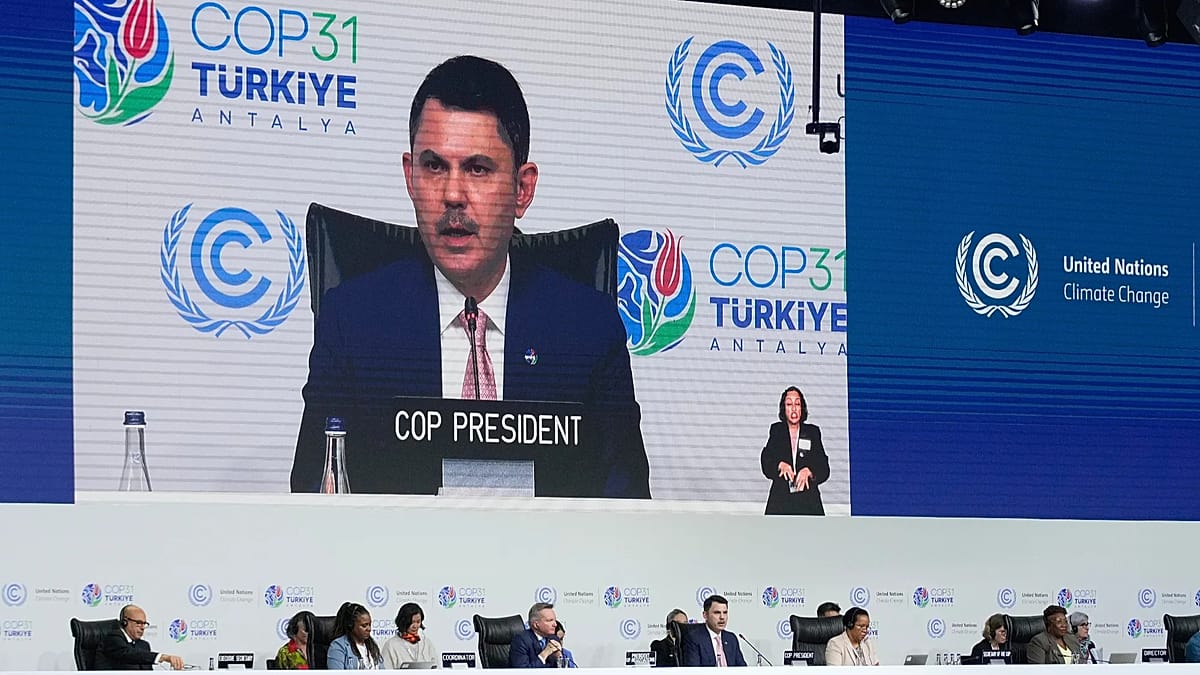
Negotiators from nearly 200 countries at COP31 are struggling to finalize a climate deal as a revised draft omitted calls for a transition away from fossil fuels, prompting strong objections from nations like France and Panama and pushing the conference beyond its scheduled end.
Imagine a big meeting where all the countries try to agree on how to stop making the Earth too hot, like when you leave a heater on too long. They were almost ready to agree to stop using too much oil and gas, but then some countries changed their minds and took that part out of the plan. Now, everyone is arguing, and the meeting is running late, just like when friends can't agree on what game to play.
Analysis
The COP31 climate negotiations in Antalya, Turkey, have been extended into overtime, highlighting significant global discord over the future of fossil fuels. The core of the dispute emerged after a second draft of the agreement removed earlier calls for a 'sped-up phasing out of fossil fuels,' a move that immediately drew sharp criticism from numerous nations and blocs. This reversal has forced negotiators back to the bargaining table, struggling to reconcile the divergent interests of countries pushing for aggressive climate action and those reliant on or advocating for continued fossil fuel use.
COP31
The 31st Conference of the Parties (COP31) was intended to solidify global commitments to climate action, building on previous agreements. However, the current deadlock over fossil fuels threatens to undermine the summit's objectives. The initial draft had included language for a phase-out, signaling a potential breakthrough in international climate policy. The subsequent removal of this crucial clause has not only stalled progress but also intensified the debate, raising questions about the efficacy of multilateral climate negotiations when faced with strong economic and political pressures.
European Union
The European Union has been a vocal critic of the revised draft, expressing concern that it risks "turning this climate COP into a fossil summit." This statement reflects the EU's consistent stance on climate leadership and its internal policies aimed at transitioning away from fossil fuels. The bloc's strong pushback, alongside countries like France, underscores the deep ideological chasm between nations committed to a rapid energy transition and those prioritizing energy security or economic interests tied to fossil fuels. The EU's position is crucial, as its influence often shapes the ambition of global climate agreements.
OPEC
The Organization of the Petroleum Exporting Countries (OPEC) has also played a significant, albeit less public, role in the ongoing discussions. Its Secretary General, Haitham al-Ghais, met with Russian climate envoy Ruslan Edelgeriev at COP31 to discuss "the importance of inclusive and balanced approaches across all multilateral environmental fora." This interaction, as reported by OPEC, suggests a coordinated effort by major oil producers to advocate for policies that accommodate their energy interests, potentially contributing to the softening of language around fossil fuel phase-out. Panama's environment minister, Juan Carlos Navarro, even accused a "petroleum mafia" of blocking progress, highlighting the perceived influence of oil-producing nations and their allies.
Key points
- COP31 climate talks in Antalya, Turkey, have extended into overtime due to deep divisions.
- A draft agreement removed references to phasing out fossil fuels, sparking widespread pushback.
- France and Panama are among the nations insisting on a 'clear transition away from fossil fuels'.
- The European Union warned the revised draft risks turning the summit into a 'fossil summit'.
- Panama's environment minister accused a 'petroleum mafia' of blocking progress.
- OPEC's Secretary General met with Russia's climate envoy to discuss 'inclusive and balanced approaches'.
Despite the current deadlock, negotiators could still find a compromise that reintroduces strong language on transitioning away from fossil fuels, potentially leading to a more ambitious and impactful agreement. A successful resolution would demonstrate global resilience and commitment to climate action, fostering renewed international cooperation.
The ongoing divisions and the removal of key fossil fuel phase-out language could result in a weak or watered-down agreement, failing to address the urgency of climate change. This outcome would undermine global efforts, delay necessary action, and potentially lead to increased environmental degradation.