France and UK to increase staffing at border controls in effort to avert travel chaos
France and the UK have agreed to increase staffing at border controls in response to warnings of travel chaos caused by new fingerprinting and facial recognition checks. Disruption at Channel crossings is expected to rise sharply next weekend at the start of the summer ho…
Intelligence analysis by Llama
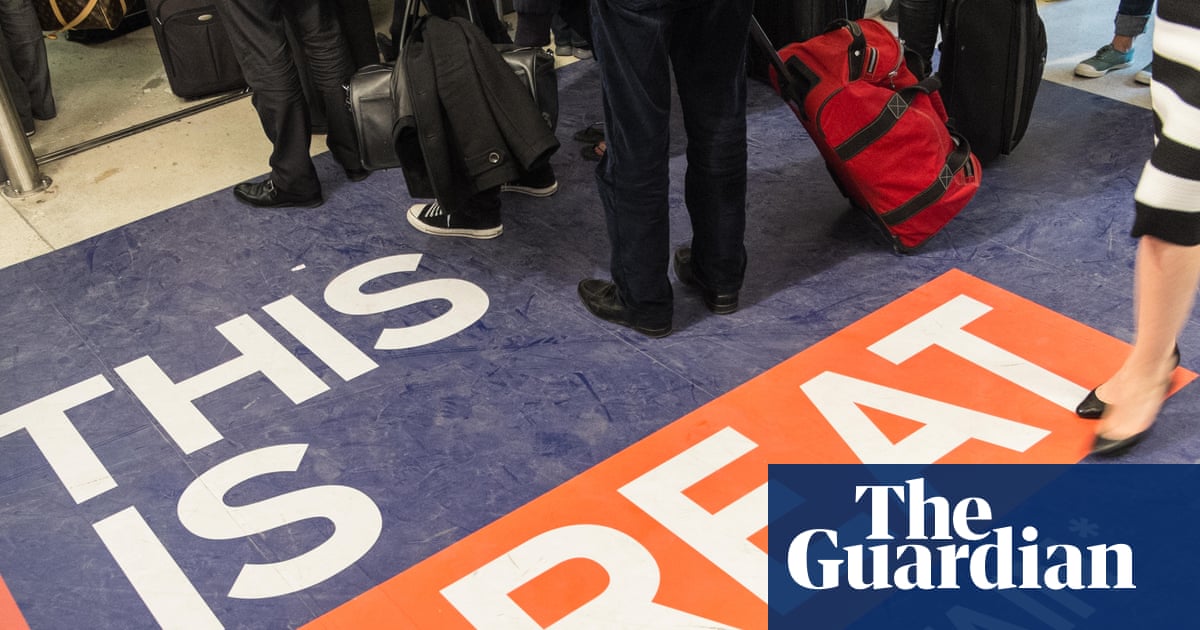
France and the UK have agreed to increase staffing at border controls in response to warnings of travel chaos caused by new fingerprinting and facial recognition checks. Disruption at Channel crossings is expected to rise sharply next weekend at the start of the summer holiday season.
Imagine you're going on a big trip to Europe, and you need to show your passport and get your picture and fingerprints taken. This is called the entry-exit system (EES). It's like a big security check to make sure everyone is safe. But sometimes, this system can cause big delays and make it hard to get to your destination. That's why the UK and France are working together to make sure there are enough people to help with the security checks, so you can get to your destination on time.
Analysis
A $60B Vote of Confidence
The recent agreement between France and the UK to increase staffing at border controls is a significant development in the context of the EU's entry-exit system (EES). The EES was introduced to address the weakness in border controls exposed by the terrorist attacks in Brussels and Paris in 2015 and 2016. However, the new system has caused significant disruptions at Channel crossings, particularly during the summer holiday season.
The UK government has allocated £20m to increase capacity for processing vehicles, reduce wait times, and ease congestion. French border police have also offered to put more officers on UK soil to ensure passport booths are better staffed at Dover, Folkestone, and London St Pancras station. However, the exact level of any staffing commitment from France is unclear.
The EU has rejected calls to suspend the EES, citing the need to address the weaknesses in border controls. However, the UK government is working to mitigate the effects of the new system, particularly during the summer holiday season. The agreement to increase staffing at border controls is a crucial step in preventing travel chaos and ensuring smoother journeys for passengers.
Why Cursor?
The recent developments in the EES have raised concerns about the impact of the new system on travel and trade. The UK government has emphasized the need to address the weaknesses in border controls, particularly during the summer holiday season. The agreement to increase staffing at border controls is a significant step in this direction.
The Road Ahead
The future of the EES remains uncertain, particularly in the context of the UK's departure from the EU. The UK government has emphasized the need to address the weaknesses in border controls, particularly during the summer holiday season. The agreement to increase staffing at border controls is a crucial step in preventing travel chaos and ensuring smoother journeys for passengers.
Key points
- France and the UK have agreed to increase staffing at border controls in response to warnings of travel chaos caused by new fingerprinting and facial recognition checks.
- Disruption at Channel crossings is expected to rise sharply next weekend at the start of the summer holiday season.
- The UK government has allocated £20m to increase capacity for processing vehicles, reduce wait times, and ease congestion.
- French border police have offered to put more officers on UK soil to ensure passport booths are better staffed at Dover, Folkestone, and London St Pancras station.
If the agreement to increase staffing at border controls is successful, it could lead to smoother journeys for passengers during the summer holiday season. This would be a positive outcome for travelers and would help to mitigate the effects of the new EES.
If the agreement to increase staffing at border controls is not successful, it could lead to significant disruptions at Channel crossings, particularly during the summer holiday season. This would be a negative outcome for travelers and would exacerbate the effects of the new EES.

