Fuel shortages in Niger: the head of the national oil company pays the price of the crisis
Niger faces severe fuel shortages, leading General Abdourahamane Tiani to dismiss Sonidep's head, Colonel Ali Seybou. The crisis is attributed to inadequate domestic refinery output and a sharp decline in cheaper, smuggled fuel from Nigeria after subsidy cuts.
Intelligence analysis by Gemini 2.5 Flash
Niger's military leader, General Abdourahamane Tiani, has fired the head of the state oil company, Sonidep, amidst widespread fuel shortages. The crisis stems from a national refinery unable to meet demand and a sharp decline in cheaper, smuggled fuel from Nigeria following subsidy removals, prompting calls for a domestic price increase.
Imagine Niger is like a car that needs a lot of gas, but its own gas station can't make enough. It used to get cheaper extra gas from its neighbor, Nigeria. But Nigeria stopped making that gas cheap, so now there's not enough for everyone. The country's leader got upset and fired the person in charge of getting gas. Now they're trying to find more gas and might even make it more expensive.
Analysis
Abdourahamane Tiani
The dismissal of Colonel Ali Seybou, Director General of Sonidep, by General Abdourahamane Tiani, the head of Niger's ruling junta, underscores the political pressure and accountability placed on key officials during national crises. This move, made without public justification, suggests an attempt by the military leadership to demonstrate decisive action in response to growing public discontent over fuel scarcity. The general's direct intervention in the state oil company's leadership highlights the centralized control exercised by the junta over critical economic sectors.
Sonidep
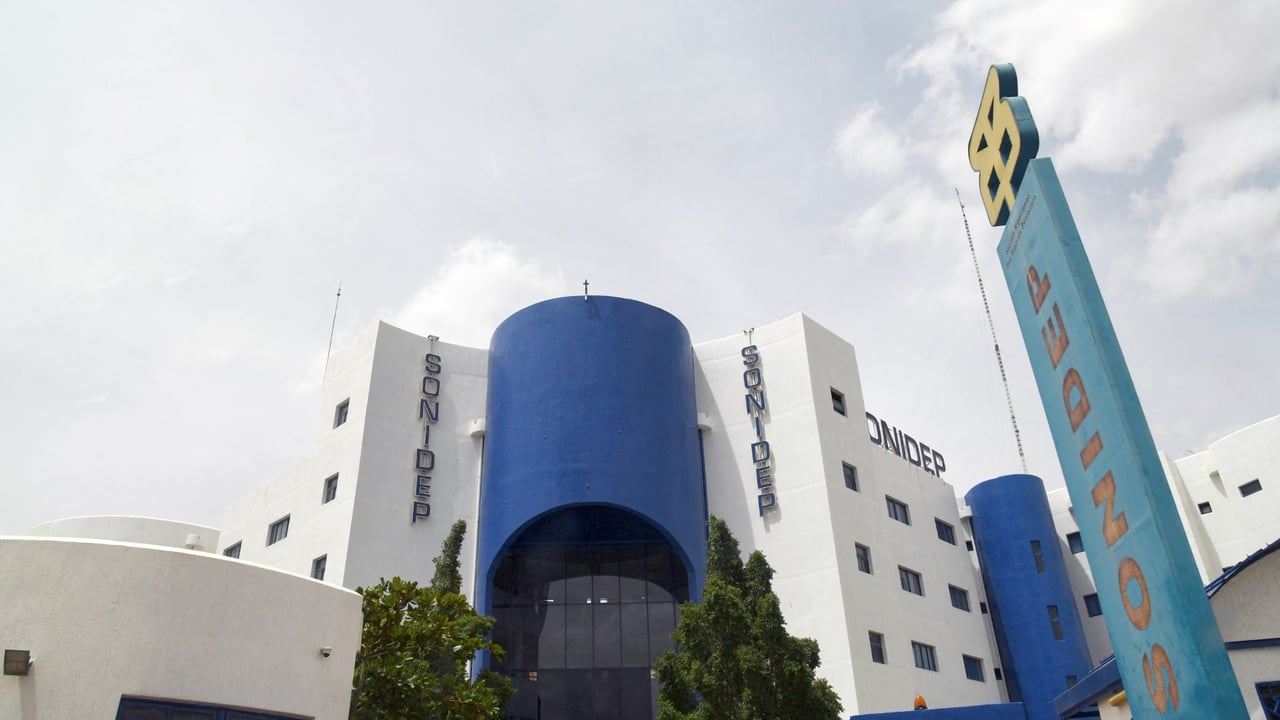
Sonidep, as the national oil company holding a monopoly on hydrocarbon distribution in Niger, is at the heart of the current fuel crisis. Its former director general, Colonel Seybou, publicly stated that the company was forced to import gasoline to meet national demand, as the Zinder refinery could only supply 1.6 million liters daily against a consumption of 3 million liters. This significant deficit points to structural issues within Niger's domestic refining capacity and its reliance on external sources, which are now complicated by regional dynamics.
Nigeria
The article explicitly links Niger's fuel shortages to policy changes in neighboring Nigeria. The Nigerian government's decision to halt fuel subsidies made smuggled gasoline, which previously accounted for up to 50% of Niger's market and supplied border regions, too expensive. This abrupt reduction in an informal but substantial supply channel has exacerbated Niger's existing supply deficit, revealing the deep interdependence of regional economies and the vulnerability of countries like Niger to policy shifts in larger neighbors.
Key points
- Niger is experiencing severe fuel shortages, with long queues at service stations.
- General Abdourahamane Tiani, head of the junta, dismissed Colonel Ali Seybou, Director General of Sonidep, the national oil company.
- The Zinder refinery supplies 1.6 million liters/day, while national consumption is 3 million liters/day.
- Reduced smuggled fuel from Nigeria, due to subsidy cuts, significantly contributed to the shortages.
- Niger had suspended fuel exports to Chad, Burkina Faso, and Mali in March-April.
- The Consultative Council for Refoundation (CCR) recommended a "reasonable increase" in hydrocarbon prices.
If the recommended increase in hydrocarbon prices is implemented reasonably, it could stabilize Sonidep's finances, potentially allowing for increased imports or investment in domestic refining capacity to meet demand. This could alleviate the current shortages and reduce reliance on volatile informal supply channels.
An increase in fuel prices, even if deemed "reasonable," could further burden Niger's population, potentially leading to social unrest and economic hardship. Continued reliance on imports and the instability of regional supply dynamics could perpetuate the crisis, hindering economic activity and exacerbating the country's vulnerability.
Market signals
- OIL Regional supply disruptions and increased import demand from Niger could put upward pressure on oil prices.
AI-generated analysis of potential market relevance. Not financial advice.