Generational Change: Drapatyi Leads Ukrainian Army
Major General Mykhailo Drapatyi, 43, has been appointed the new Commander-in-Chief of the Ukrainian Armed Forces, replacing Oleksandr Syrskyi, 60, following public protests over the dismissal of tech-focused Defense Minister Mykhailo Fedorov.
Intelligence analysis by Gemini 2.5 Flash
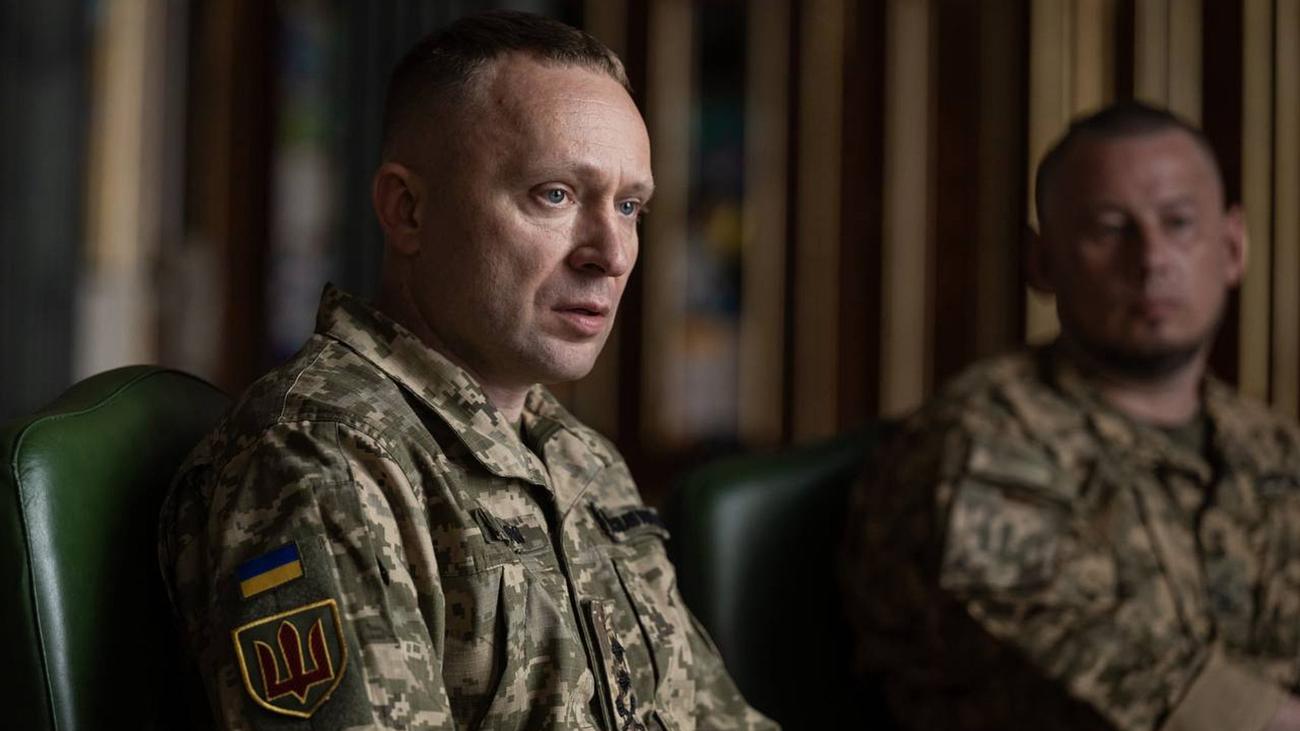
President Zelenskyy has appointed Major General Mykhailo Drapatyi as Ukraine's new military chief, a move driven by public discontent and a desire for a more modern, tech-oriented approach to warfare. The change follows protests sparked by the dismissal of Defense Minister Mykhailo Fedorov, who championed digitalization, and highlights a generational shift from "old school" commanders…
Imagine Ukraine is playing a big, tough game against Russia. The coach, President Zelenskyy, just changed the team captain, Mykhailo Drapatyi, because many fans wanted a new leader who uses clever new tricks, like drones, instead of just sending lots of players into tough spots. The old captain, Oleksandr Syrskyi, was good, but people wanted someone more modern, like a video game player who knows all the latest strategies.
Analysis
The recent shake-up in Ukraine's military leadership, culminating in Major General Mykhailo Drapatyi's appointment as Commander-in-Chief, represents a pivotal moment in the ongoing conflict with Russia. This change is not merely a personnel rotation but reflects a deeper strategic re-evaluation driven by both battlefield realities and domestic political pressures. The departure of Oleksandr Syrskyi, an "old school" commander, and the preceding controversy surrounding Defense Minister Mykhailo Fedorov, underscore a growing demand for a military approach that prioritizes technological innovation and the preservation of human life over attrition warfare. This significant shift could have profound implications for the future conduct of the war and Ukraine's long-term defense posture.
A Shift Towards Modern Warfare
The catalyst for this leadership transition was the public outcry following the dismissal of Mykhailo Fedorov, the former Defense Minister, who had rapidly advanced the digitalization of the Ukrainian army. His initiatives, particularly in drone warfare, were seen as increasingly effective against Russian forces, offering a strategic advantage in a conflict marked by heavy artillery and trench warfare. The article highlights a clear ideological divide between Fedorov's tech-forward vision and Syrskyi's more traditional, Soviet-era military doctrine, which often relied on large-scale troop movements and attrition. This divergence resonated strongly with the Ukrainian public, who, facing a critical shortage of soldiers, advocated for a strategy that leverages technology to minimize casualties and maximize efficiency. Drapatyi's appointment, coupled with his stated support for army reform and his image as a "modern, people-focused military leader," signals a decisive pivot towards integrating advanced technology and innovative tactics into Ukraine's defense strategy. This strategic reorientation could lead to a more agile and technologically sophisticated fighting force, potentially altering the dynamics of the conflict and challenging Russia's numerical superiority.
The Public's Influence on Military Leadership
The protests that preceded Syrskyi's dismissal demonstrate the significant role public opinion and civil society play in Ukraine's wartime governance, even under immense pressure. The demonstrations, sparked by Fedorov's removal, put immense pressure on President Zelenskyy to address widespread concerns about military strategy and leadership effectiveness. This public engagement underscores a deep-seated desire for transparency and accountability within the military command, even amidst a full-scale invasion. The article notes that Drapatyi is "popular in the population," suggesting that his appointment is, in part, a direct response to these public sentiments and a move to restore confidence. This dynamic highlights a unique aspect of Ukraine's wartime resilience, where democratic principles and public will continue to shape critical national decisions, including those pertaining to military command. The government's responsiveness to these protests could bolster public trust and national unity, crucial elements for sustaining a long-term defense effort against a formidable adversary.
Drapatyi's Mandate and Challenges Ahead
Mychajlo Drapatyj assumes command as the third Commander-in-Chief in less than four and a half years of the war, indicating the immense pressure and evolving demands of the role. His mandate extends beyond merely leading troops; he, along with interim Defense Minister Yevheniy Khmara and Presidential Office Deputy Pavlo Palisa, is tasked with fundamentally reorganizing the relationship between the Defense Ministry and the General Staff. This structural reform is crucial for streamlining decision-making, enhancing coordination, and effectively implementing the desired shift towards a more modern, technology-driven military. Drapatyj's past actions, such as taking responsibility for soldier casualties after a missile strike and his reputation for being "people-focused," suggest he may prioritize soldier welfare, innovative training, and a more humane approach to warfare. However, he faces the formidable challenge of integrating new technologies and strategies while simultaneously prosecuting an active war, managing internal military politics, and maintaining morale amidst ongoing Russian aggression and relentless drone attacks. His success will hinge on his ability to enact meaningful reforms quickly and demonstrate tangible results on the battlefield, all while navigating the complex political landscape of a nation at war.
Key points
- Major General Mykhailo Drapatyi, 43, has been appointed the new Commander-in-Chief of the Ukrainian Armed Forces.
- He replaces Oleksandr Syrskyi, 60, who was dismissed by President Zelenskyy after days of public protests.
- The protests were triggered by the dismissal of Defense Minister Mykhailo Fedorov, who championed military digitalization and drone warfare.
- Drapatyi is popular and seen as a "modern, people-focused military leader" who supports army reform.
- Interim Defense Minister Yevheniy Khmara was appointed, and a reorganization of the Defense Ministry and General Staff is planned.
The appointment of Mykhailo Drapatyi, known for his modern approach and focus on people, could lead to a more technologically advanced and efficient Ukrainian army, potentially improving battlefield outcomes and reducing casualties. His mandate to reform the General Staff and Defense Ministry relationship could streamline operations and foster greater innovation, strengthening Ukraine's long-term defense capabilities.
The leadership change, especially following public protests and the reported refusal of Mykhailo Fedorov to take a new role, could signal internal divisions or instability within Ukraine's wartime government. A rapid shift in military strategy during active conflict carries risks, potentially disrupting established command structures and requiring a difficult adjustment period that Russia could exploit.