German startup sends first commercial rocket into space from Europe
German startup Isar Aerospace successfully launched its uncrewed Spectrum rocket into orbit from Arctic Norway, marking Europe's first commercial orbital launch. This milestone significantly boosts Europe's independent access to space and positions Isar Aerospace for rapi…
Intelligence analysis by Gemini 2.5 Flash
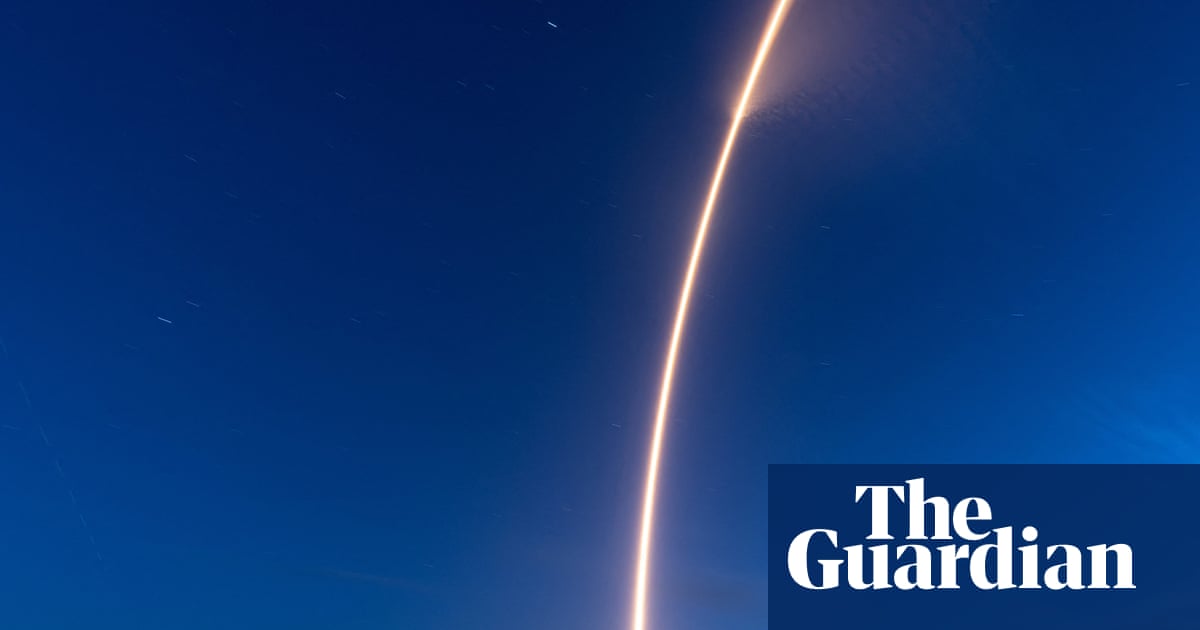
Isar Aerospace, a German startup, achieved a major breakthrough by successfully sending its Spectrum rocket into orbit from a European launch site. This event is hailed as a crucial step for Europe to gain greater autonomy in space, reducing reliance on foreign providers, and sets the stage for Isar Aerospace to rapidly scale its operations to meet the increasing demand for satellite …
Imagine a small German company just built its very own special truck, a rocket called Spectrum, and sent it zooming into space from Norway! This is super exciting because it means Europe can now send its own little helper-satellites into orbit without always needing help from other big countries. The company wants to build many more rockets, like a whole fleet of space trucks, to deliver even more satellites and help Europe explore space all by itself.
Analysis
Isar Aerospace's Spectrum
The successful launch of Isar Aerospace's uncrewed Spectrum rocket from Andøya Spaceport in Arctic Norway represents a pivotal moment for the European space industry. This achievement, which saw the rocket carry five small satellites and an in-flight technology experiment into orbit, is particularly significant as it marks the first commercial orbital launch originating from continental Europe. The success comes 18 months after a previous attempt by the company resulted in a rocket plunging into the sea shortly after takeoff, underscoring the technical challenges and perseverance involved in space exploration.
Following this breakthrough, Isar Aerospace has articulated ambitious plans for scaling its operations. CEO Daniel Metzler highlighted that "Launch capability is right now the biggest bottleneck in the entire industry," indicating a clear market opportunity. The company has already commenced production of five more rockets and aims for a long-term goal of conducting approximately 40 launches annually, signaling a robust strategy to meet the escalating demand for satellite deployment services.
European Autonomy
The launch has been widely celebrated as a major step towards enhancing Europe's independent access to space. German Chancellor Friedrich Merz lauded the event as "the beginning of a new era," emphasizing the strategic importance of this capability for the region. His visit to Isar's launch site in March further underscored the political will behind Europe's efforts to establish greater autonomy in critical technological sectors.
This drive for independence is framed within a broader context of a shifting global order, as noted by the article in relation to the US administration. EU Defence and Space Commissioner Andrius Kubilius echoed this sentiment on social media, stating that "Europe’s independent access to space just got a major boost." Such statements highlight a collective European ambition to reduce reliance on external powers for essential space infrastructure and services, fostering self-sufficiency in an increasingly competitive geopolitical landscape.
Global Competition
The satellite launch market is characterized by intense global competition, with established players like Elon Musk’s SpaceX, which operates from the US, and the French firm ArianeGroup, a joint venture between Airbus and Safran that utilizes a spaceport in French Guiana, South America. Isar Aerospace's entry as a successful commercial launcher from Europe introduces a new dynamic to this market, challenging existing hegemonies and offering an alternative for satellite operators.
To further solidify its position and expand its reach, the German company is not limiting its operations to Europe. Isar Aerospace is actively developing a second launch site in Nova Scotia, eastern Canada. This strategic expansion indicates a clear intent to cater to a broader international clientele and diversify its launch capabilities, positioning itself as a significant global player in the burgeoning commercial space industry.
Key points
- German startup Isar Aerospace launched Europe's first commercial rocket to reach orbit.
- The uncrewed Spectrum rocket successfully launched from Andøya Spaceport in Arctic Norway.
- The launch is considered a major boost for Europe's independent access to space.
- Isar Aerospace plans rapid expansion, aiming for approximately 40 launches annually.
- The company is developing a second launch site in Nova Scotia, eastern Canada.
The successful launch could significantly accelerate Europe's development of a self-sufficient space industry, attracting further investment and fostering innovation in related technologies. This independence could lead to new economic opportunities, high-skilled job creation, and enhanced strategic capabilities for European nations in space exploration and satellite services.
Despite this success, Isar Aerospace faces formidable competition from well-established global players like SpaceX, which could make scaling operations and achieving profitability challenging. Future technical setbacks or intense price wars in the satellite launch market could hinder the company's ambitious expansion plans and Europe's broader goal of achieving full space autonomy.