Global views of China and Xi improve as perceptions of US decline, Pew survey finds
A new Pew Research Centre survey found that international views of China and President Xi Jinping have improved, while confidence in the United States has declined. The survey polled over 45,000 people across 37 countries and found that 46% of respondents expressed a favo…
Intelligence analysis by Llama
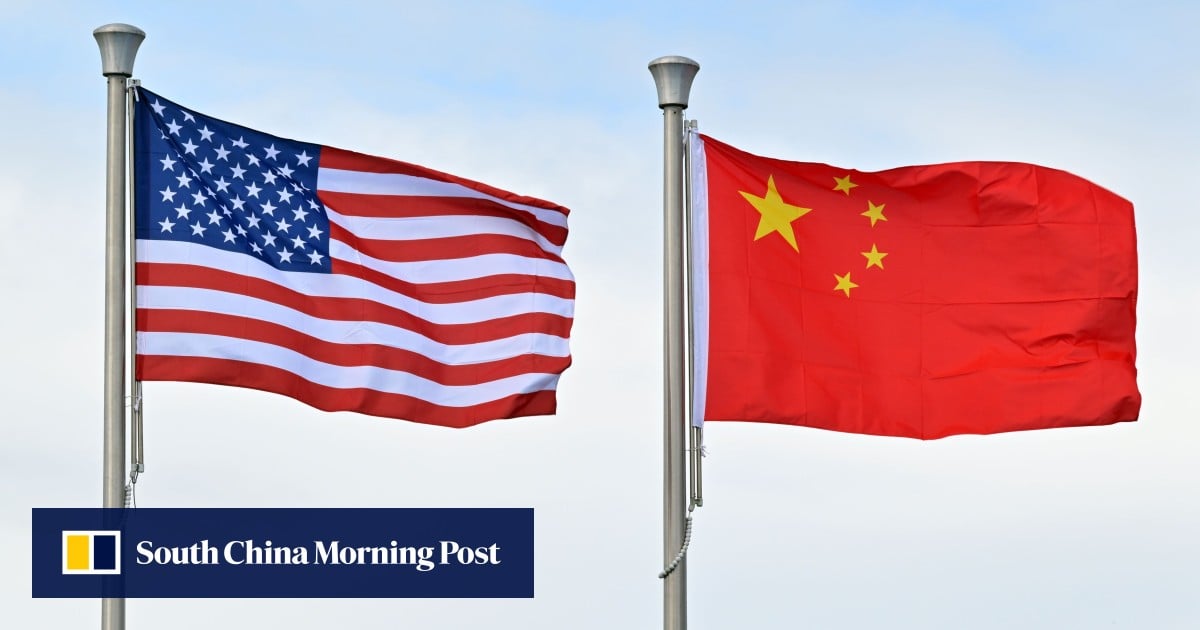
A Pew Research Centre survey found that China's global image has rebounded from its pandemic-era lows, with international views of both the country and President Xi Jinping improving as confidence in the United States has declined.
Imagine you're on a global tour, and you meet people from different countries. Some people like China, and some people like the US. But now, more people like China than the US. This is because China's image has improved, and people think it's a more reliable partner. But the US is having trouble, and people are questioning its leadership.
Analysis
A Shift in Global Perceptions
The Pew Research Centre survey has revealed a significant shift in global perceptions of China and the United States. While China's image was at or near historic lows during the pandemic, it has since steadily increased, with 46% of respondents expressing a favourable view of the country. In contrast, confidence in the US has declined, with only 36% of respondents viewing it positively. This shift in relative perceptions has significant implications for US-China relations and global politics.
The Rise of China's Global Image
China's global image has rebounded from its pandemic-era lows, with international views of both the country and President Xi Jinping improving. This is a significant development, as China's image was previously at or near historic lows in many countries. The survey found that views of China were at or near historic lows in many countries during the pandemic but have since steadily increased. This suggests that China's efforts to improve its global image have been successful, at least to some extent.
The Decline of US Confidence
In contrast, confidence in the US has declined, with only 36% of respondents viewing it positively. This decline in confidence is a significant concern for the US, as it suggests that the country's global leadership is being questioned. The survey found that the share of people saying that the US is a reliable partner to their country has similarly fallen sharply. This decline in confidence is likely to have significant implications for US foreign policy and global cooperation.
Implications for US-China Relations
The survey's findings have significant implications for US-China relations and global politics. The shift in relative perceptions of China and the US highlights the need for the US to re-evaluate its approach to China and the world. The US must recognize that China is a rising global power and that its image is improving. At the same time, the US must also address the decline in confidence in its own leadership and work to rebuild trust with its international partners.
Key points
- China's global image has rebounded from its pandemic-era lows, with international views of both the country and President Xi Jinping improving.
- Confidence in the US has declined, with only 36% of respondents viewing it positively.
- The survey found that views of China were at or near historic lows in many countries during the pandemic but have since steadily increased.
- The share of people saying that the US is a reliable partner to their country has similarly fallen sharply.
If this development plays out positively, it could lead to increased cooperation between China and other countries, potentially leading to more economic growth and stability in the region. Additionally, the US may be forced to re-evaluate its approach to China and the world, potentially leading to a more constructive relationship between the two nations.
However, if this development plays out negatively, it could lead to increased tensions between China and other countries, potentially leading to more conflict and instability in the region. Additionally, the US may become even more isolated and withdrawn, potentially leading to a decline in its global influence and leadership.