Google Teases Its New 'Fitbit Edge' Wearable Ahead Of An October 12 Reveal
Google has officially teased its new 'Fitbit Edge' fitness tracker, confirming its name and hinting at an October 12, 2026, reveal date. This wearable is expected to be a mid-range option in Google's health device lineup.
Intelligence analysis by Gemini 2.5 Flash
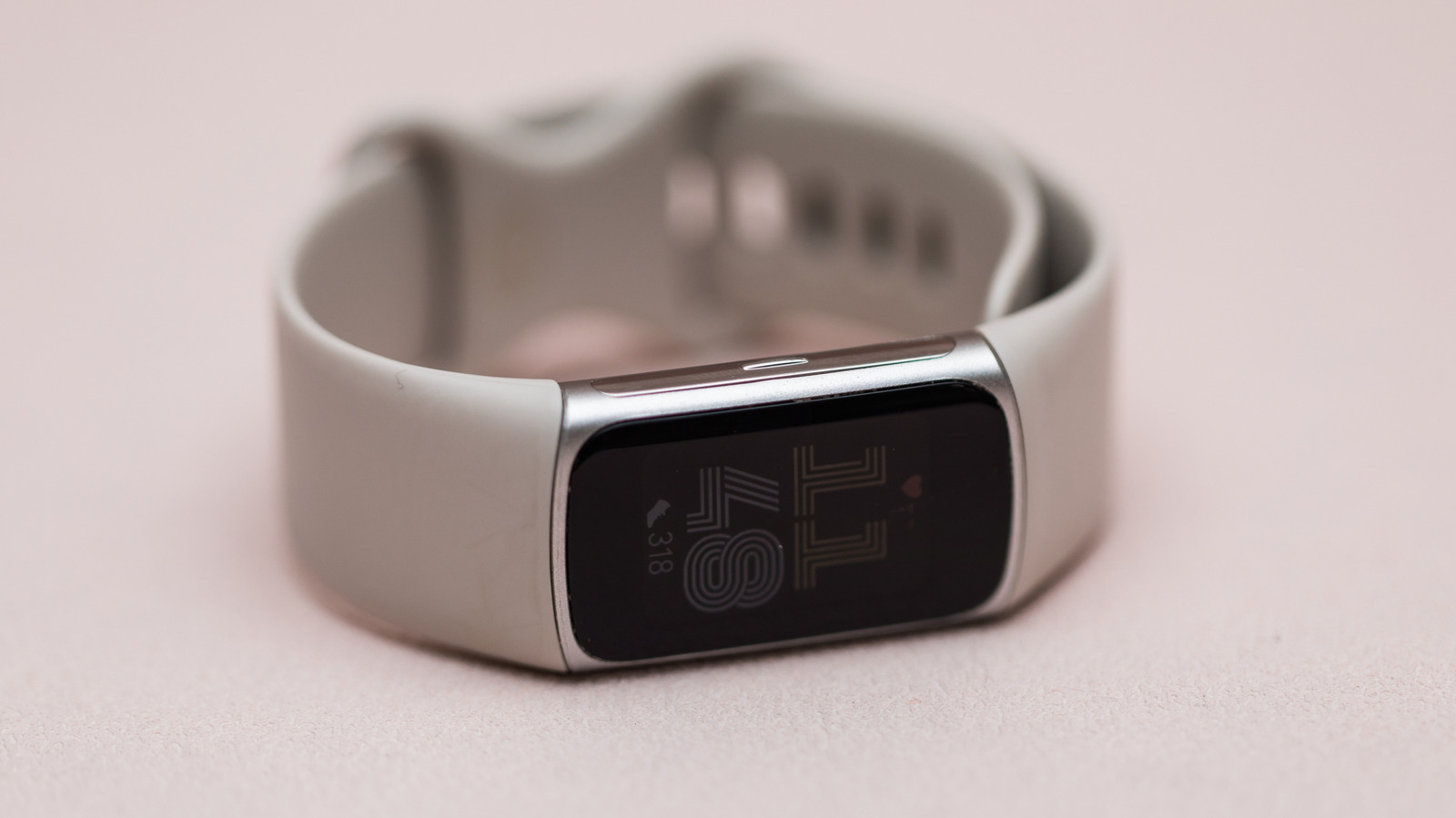
Google is building anticipation for the launch of its 'Fitbit Edge' wearable, a device rumored to bridge the gap between the entry-level Fitbit Air and the more advanced Pixel Watch 5. Official teasers confirm the name and point to an upcoming reveal, following earlier leaks that detailed its design, features, and potential pricing.
Imagine Google is making a new smart bracelet, like a fancy step counter, to help you stay healthy. It's called the Fitbit Edge, and it's like the middle child between a super simple one and a super smart watch. They're going to show it off on October 12th, and it might help you get special health tips if you sign up for their health club!
Analysis
Google's recent social media posts have effectively confirmed the existence and name of its upcoming 'Fitbit Edge' wearable, setting the stage for a full reveal on October 12, 2026. This strategic tease follows a series of leaks that have provided a substantial preview of the device's capabilities and market positioning. The Edge is designed to slot into Google's existing wearable portfolio, offering a more feature-rich experience than the screenless Fitbit Air, which was launched earlier this year, but remaining distinct from the premium Pixel Watch 5. This tiered approach allows Google to cater to different consumer needs and price points within the competitive fitness tracker market.
October 12
The date October 12, 2026, is prominently featured in Google's teaser, indicating the official unveiling of the Fitbit Edge. This reveal is expected to confirm all the details that have surfaced through various leaks, including its design, specific health tracking features, and final pricing. For consumers and competitors alike, this date marks a crucial moment, as it will clarify Google's commitment to expanding its hardware offerings in the health sector. The timing suggests a readiness to capitalize on the growing demand for personal health monitoring devices, integrating them more deeply into the broader Google ecosystem.
Fitbit Edge
Leaked information, particularly from Android Headlines and French magazine Dealabs, has painted a detailed picture of the Fitbit Edge. The device is rumored to feature a design similar to previous Fitbit Charge models, with a side button visible in Google's teaser. Key specifications include an impressive battery life of up to seven days with the always-on display disabled, or two days if enabled, offering flexibility for users. The anticipated price point of around €179 (approximately $200) in Europe, potentially closer to $180 in the US, positions it as an accessible upgrade from the Fitbit Air, which starts at $99. This pricing strategy aims to make advanced fitness tracking more attainable for a wider audience.
Google Health Premium
Beyond the hardware itself, the Fitbit Edge is strategically positioned to serve as a gateway to Google's subscription services, specifically Google Health Premium. The article explicitly states that the Edge could be "another way to push people to a Google Health Premium subscription." This indicates Google's broader ambition to integrate its hardware with its software and services, creating a more cohesive and revenue-generating health ecosystem. By offering a compelling mid-range device, Google hopes to entice users into its premium subscription, which likely offers enhanced analytics, personalized insights, and perhaps exclusive content, thereby deepening user engagement and loyalty within its health platform.
Key points
- Google has officially teased its new 'Fitbit Edge' wearable.
- The device is expected to be fully revealed on October 12, 2026.
- It is positioned as a mid-range fitness tracker, between the Fitbit Air and Pixel Watch 5.
- Leaks suggest a battery life of up to seven days and a price around $200.
- The Fitbit Edge is intended to drive subscriptions to Google Health Premium.
The Fitbit Edge could successfully fill a crucial gap in Google's wearable portfolio, offering a feature-rich yet affordable option that appeals to a wider consumer base. This could boost adoption of Google's health services and strengthen its position against competitors in the fitness tracker market.
If the leaked price and features don't align with consumer expectations or if the device fails to differentiate itself sufficiently from existing trackers, it might struggle to gain traction. This could hinder Google's efforts to expand its health ecosystem and premium subscriptions.