Gorging on bearcam: the livestream of big beasts eating that draws millions
A livestream of Alaskan brown bears devouring salmon at Brooks Falls in Katmai National Park has seen a 70% surge in viewership, attracting 7.3 million views this summer.
Intelligence analysis by Gemini 2.5 Flash
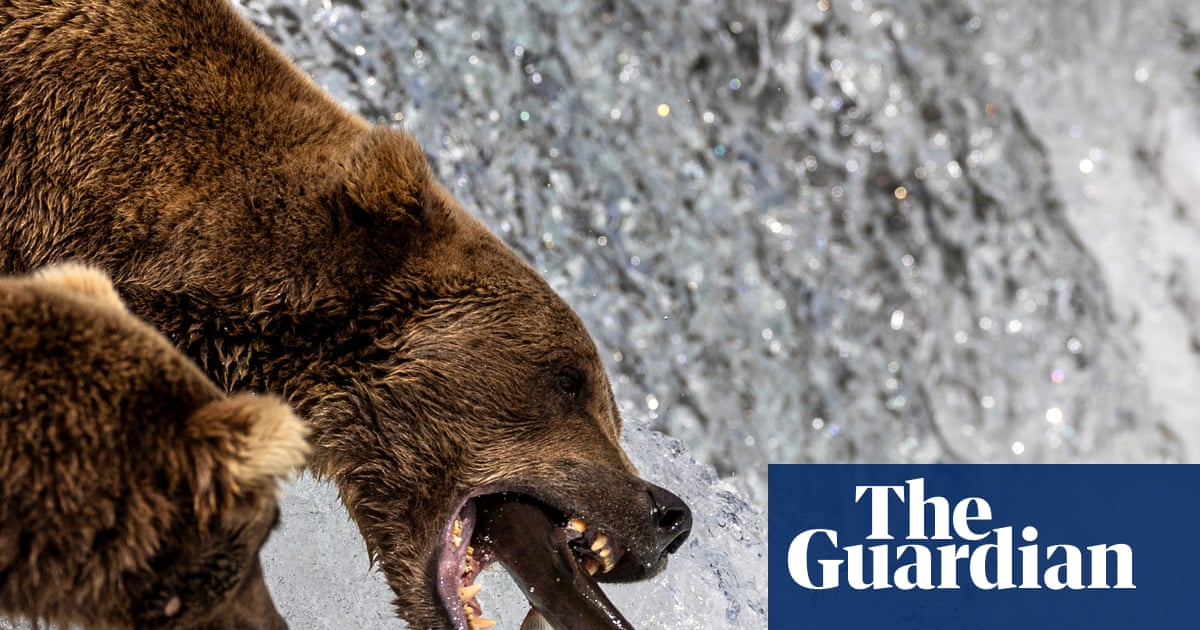
The 'bearcam' at Katmai National Park, showcasing brown bears feasting on sockeye salmon, has become a viral sensation, drawing millions of viewers. This significant increase in popularity is largely attributed to a higher concentration of bears at Brooks Falls this season, providing an engaging and continuous spectacle of nature.
Imagine watching a live TV show where big, furry bears in Alaska are trying to catch slippery fish jumping out of a waterfall! Millions of people are tuning in because there are so many bears this year, and it's like a real-life nature movie. It's not just fun to watch; it also helps people learn about these amazing animals and why it's important to protect their homes, just like learning about your favorite cartoon characters makes you want to keep them safe.
Analysis
The phenomenon of the 'bearcam' at Katmai National Park, which captures brown bears fishing for salmon, has evolved into a major online hit, demonstrating the power of digital media in fostering public connection with wildlife. The livestream's viewership soared by 70% this summer, reaching 7.3 million views between June and August, a testament to its growing appeal. This surge is primarily attributed to the increased congregation of bears at Brooks Falls, offering viewers a more dynamic and engaging spectacle of nature in action.
Brooks Falls
Brooks Falls, located within Alaska's Katmai National Park, serves as the primary stage for this natural drama. It's a critical point where sockeye salmon migrate upstream, creating an abundant food source that attracts numerous brown bears. The cameras, operated by Explore.org, provide an intimate, real-time look at these powerful animals as they skillfully catch and consume salmon, a vital activity for them to build up fat reserves before winter hibernation. The consistent presence of many bears at the falls this year, unlike a more dispersed season last year, has been a key factor in drawing in millions of new and returning viewers.
Explore.org
Explore.org, the wildlife network behind the bearcam, initially installed these cameras in 2012 with a clear conservation objective. Candice Rusch, the network's director of new media, articulated the belief that by bringing remote wildlife into people's homes, individuals would be more inclined to protect the animals and landscapes they come to know and care about. This approach aligns with research from Dr. Jeffrey Skibins of East Carolina University, who notes that nature-based webcams are beneficial for both wildlife and people by improving conservation attitudes, behaviors, and awareness. The platform has successfully cultivated a dedicated fanbase, with viewers actively identifying individual bears and meticulously tracking their feeding habits, showcasing a deep level of engagement that transcends passive viewing.
Fat Bear Week
The bears' intense gorging at Brooks Falls culminates in Katmai's annual 'Fat Bear Week,' a public competition held in the autumn. During this event, the public votes in a knockout-style bracket to crown the park's fattest bear, celebrating the animals' successful preparation for hibernation. This playful yet educational initiative further amplifies public interest and awareness, transforming a natural biological imperative into an engaging, interactive event. The popularity of Fat Bear Week, alongside the daily livestream, underscores how innovative digital outreach can turn ecological processes into widely followed cultural phenomena, reinforcing the importance of conservation through accessible and entertaining means.
Key points
- The Brooks Falls bearcam at Katmai National Park recorded 7.3 million views between June and August, a 70% increase from last year.
- The surge in viewership is attributed to a higher concentration of brown bears at the falls this season, offering better viewing opportunities.
- Explore.org installed the cameras in 2012 to foster conservation attitudes and awareness by bringing remote wildlife into people's homes.
- Dr. Jeffrey Skibins notes that nature-based webcams benefit both wildlife and people by improving conservation attitudes and behaviors.
- Viewers actively identify individual bears and track their feeding habits, leading up to the annual 'Fat Bear Week' competition.
The soaring popularity of the bearcam suggests a growing public interest in wildlife, which could translate into increased support for conservation efforts and greater funding for national parks. This digital engagement has the potential to foster a more environmentally conscious populace, influencing policy decisions towards stronger ecological protections.