Gun control advocates criticize ‘deeply dangerous’ US supreme court decision on Hawaii law
The US supreme court struck down a restrictive gun law in Hawaii, banning people from carrying guns in public spaces and private property without owner's permission. Gun control advocates criticize the decision as 'deeply dangerous'.
Intelligence analysis by Llama 3.3 70B
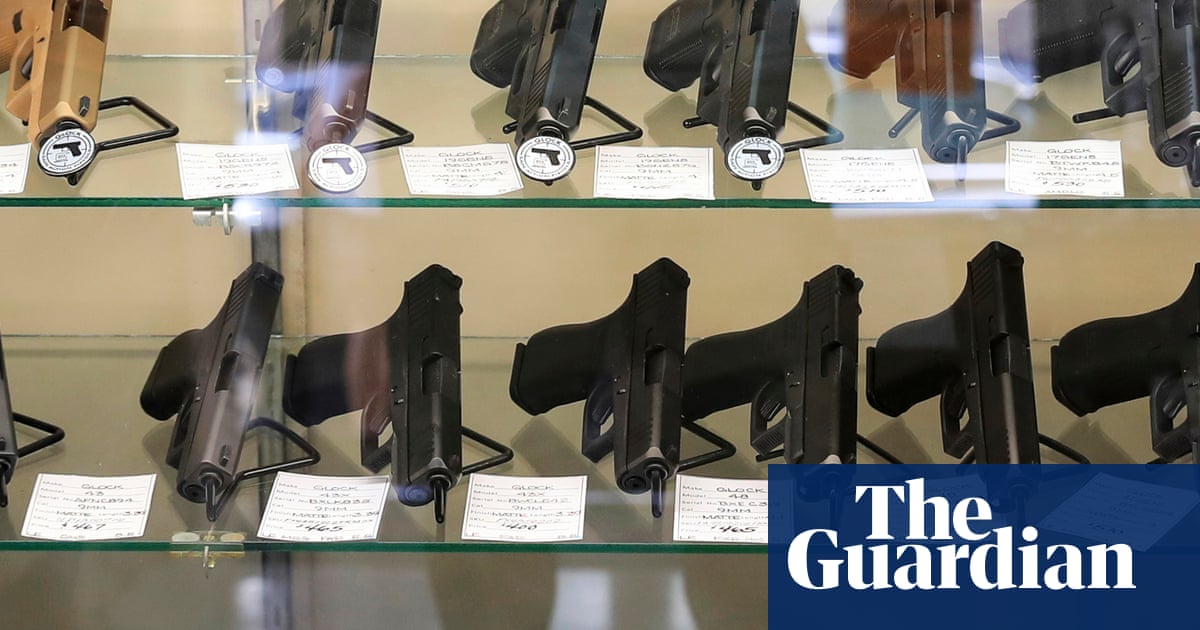
The US supreme court's decision on Hawaii's gun law has sparked controversy, with gun control advocates arguing it prioritizes guns over public safety and property owners' rights.
The US supreme court made a decision about a law in Hawaii that said people couldn't carry guns in certain places. Some people think this decision is bad because it might make it harder to keep people safe. Others think it's good because it protects the right to have guns.
Analysis
The Second Amendment Debate
The US supreme court's decision on Hawaii's gun law is the latest development in the ongoing debate over the second amendment. The ruling strikes down a law that bans people from carrying guns in most public spaces and private property without the owner's permission, citing the second amendment's protection of the right to bear arms. Gun control advocates argue that this decision prioritizes guns over public safety and property owners' rights.
The second amendment has been at the center of controversy for years, with proponents arguing that it guarantees the right to bear arms for self-defense, while opponents argue that it has been interpreted too broadly, leading to lax gun laws and increased gun violence. The supreme court's decision in the Bruen v New York case, which established a precedent for gun laws to be 'consistent with the nation's historical tradition of firearm regulation', has been cited as a key factor in the Hawaii decision.
Implications for Gun Control Laws
The decision has significant implications for gun control laws across the US. Four other states - New York, New Jersey, Maryland, and California - have adopted similar language to Hawaii's law, establishing a presumption that property owners bar visitors from carrying guns. The Wolford v Lopez decision casts these laws into doubt, potentially voiding similar restrictions in other states. Gun control advocates argue that this decision will put lives at risk, while gun rights groups see it as a victory for the second amendment.
The decision also highlights the importance of property owners' rights in the gun control debate. Defenders of Hawaii's law argue that it was not about banning firearms, but about reflecting the commonsense notion that property owners have a right to choose whether to allow firearms on their private property. The supreme court's decision leaves state laws that block guns at some sensitive places, like churches or government buildings, intact, but other places like shopping malls or grocery stores must post a notice barring visitors from carrying firearms.
The Road Ahead
The decision is likely to be met with continued controversy and debate. Gun control advocates are criticizing the decision as 'deeply dangerous', while gun rights groups are celebrating it as a victory for the second amendment. The supreme court's decision in the Bruen v New York case has already led to several challenges to gun laws across the US, and this decision is likely to lead to further challenges. As the debate over gun control continues, it is clear that the second amendment will remain a central issue in US politics.
Key points
- The US supreme court struck down a restrictive gun law in Hawaii
- The decision prioritizes the second amendment over public safety and property owners' rights
- Four other states have adopted similar language to Hawaii's law, which may be voided by the decision
The decision could lead to a more nuanced discussion about gun control and the second amendment, potentially resulting in more effective and targeted laws that balance public safety with individual rights. Additionally, the ruling leaves open avenues for property owners to exercise their right to choose whether to allow firearms on their private property, which could lead to more responsible gun ownership.
The decision could lead to an increase in gun violence, as more people may be allowed to carry guns in public spaces. It could also embolden gun rights groups to challenge other gun control laws, potentially leading to a rollback of existing regulations. Furthermore, the ruling may prioritize the rights of gun owners over the safety and well-being of the general public.


