Heat and Drought: June and July Were the Warmest in Western Europe
Western Europe experienced its warmest June and July on record, with an average temperature of 21.62 degrees Celsius. The region saw four heatwaves since May, which is unusual for the area.
Intelligence analysis by Llama
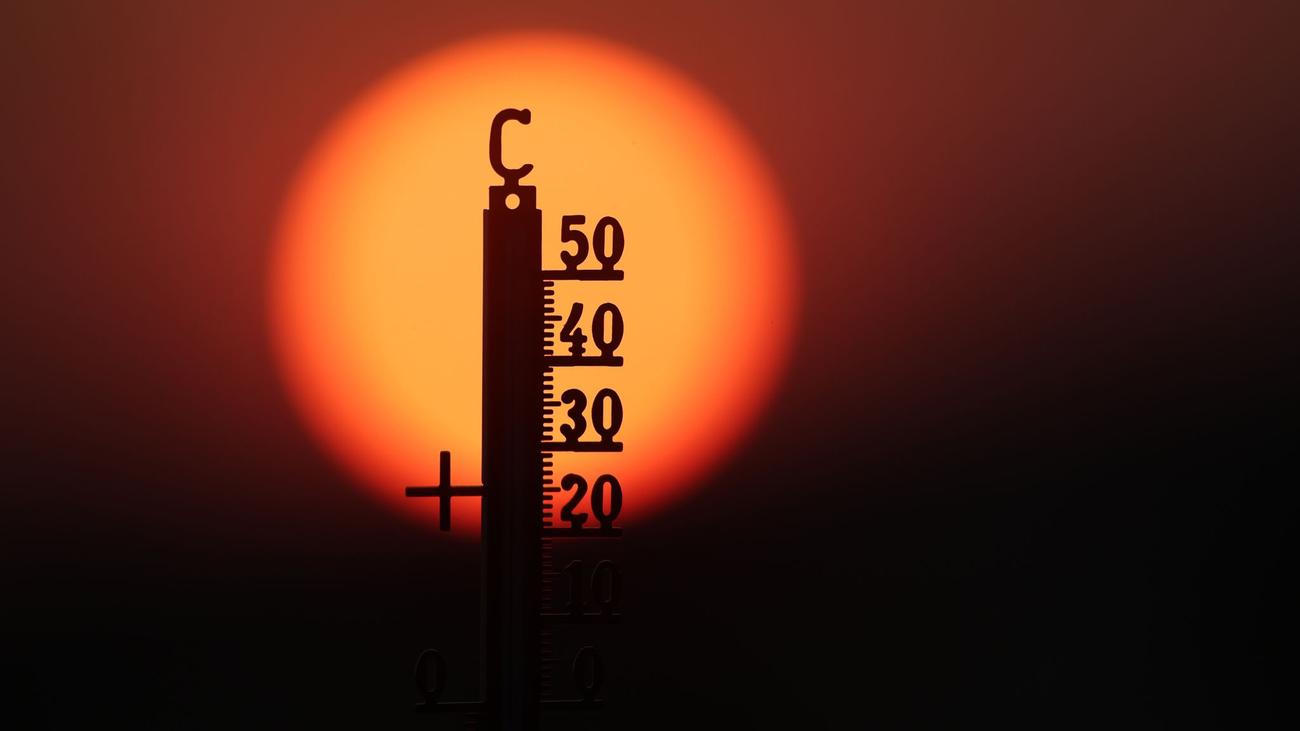
Western Europe has experienced its warmest June and July on record, with temperatures 2.79 degrees Celsius above the 1991-2020 average. The region has seen four heatwaves since May, which is unusual for the area.
Imagine a big blanket of heat that covers the whole region. That's what's happening in Western Europe right now. The heat is so strong that it's drying out the soil, which makes it harder for plants to grow. This can lead to big problems for animals and people who live in the area.
Analysis
Record-Breaking Heat and Drought in Western Europe
The recent heatwaves in Western Europe have been unprecedented, with temperatures soaring to record-breaking highs in June and July. According to the Copernicus Climate Change Service, the average temperature in the region during this period was 21.62 degrees Celsius, which is 2.79 degrees Celsius above the 1991-2020 average. This extreme heat has been exacerbated by a prolonged drought, with many areas experiencing below-average rainfall since May.
The Impact of Heat and Drought on the Environment
The combination of heat and drought has severe consequences for the environment. As the soil dries out, it loses its ability to cool the air naturally, leading to a buildup of heat. This, in turn, can lead to more frequent and severe heatwaves. The drought also affects the water cycle, leading to reduced river flows and increased evaporation. This can have devastating effects on crops, wildlife, and ecosystems.
The Role of Climate Change in Heat and Drought
Climate change is a significant contributor to the increasing frequency and severity of heatwaves and droughts. As the planet warms, the atmosphere's capacity to hold moisture increases, leading to more intense heatwaves. Additionally, climate change alters precipitation patterns, leading to more frequent and severe droughts. The current heatwaves in Western Europe are a prime example of how climate change is exacerbating these extreme weather events.
The Need for Climate Action
The recent heatwaves in Western Europe serve as a stark reminder of the need for urgent climate action. Governments, policymakers, and individuals must work together to reduce greenhouse gas emissions, increase climate resilience, and adapt to the changing climate. This includes investing in renewable energy, improving water management, and promoting sustainable land use practices. By taking collective action, we can mitigate the effects of climate change and create a more sustainable future for all.
Key points
- Western Europe experienced its warmest June and July on record.
- The region saw four heatwaves since May, which is unusual for the area.
- The heat and drought have significant implications for the region's climate, economy, and ecosystems.
- Climate change is a significant contributor to the increasing frequency and severity of heatwaves and droughts.
- The region must take urgent climate action to reduce greenhouse gas emissions, increase climate resilience, and adapt to the changing climate.
If the region can implement effective climate change mitigation strategies, it may be possible to reduce the frequency and severity of heatwaves and droughts. This could involve investing in renewable energy, improving water management, and promoting sustainable land use practices.
If the region fails to address the root causes of climate change, it may experience more frequent and severe heatwaves and droughts. This could have devastating effects on the environment, economy, and human health.