Houston prosecutor 'more than prepared' to bring charges against ICE agents if wrongdoing is found in fatal shooting
The top prosecutor in the Houston area, Harris County District Attorney Sean Teare, said his office is 'more than prepared' to prosecute federal immigration agents if it finds criminal wrongdoing in the fatal shooting of a Mexican immigrant last week.
Intelligence analysis by Llama
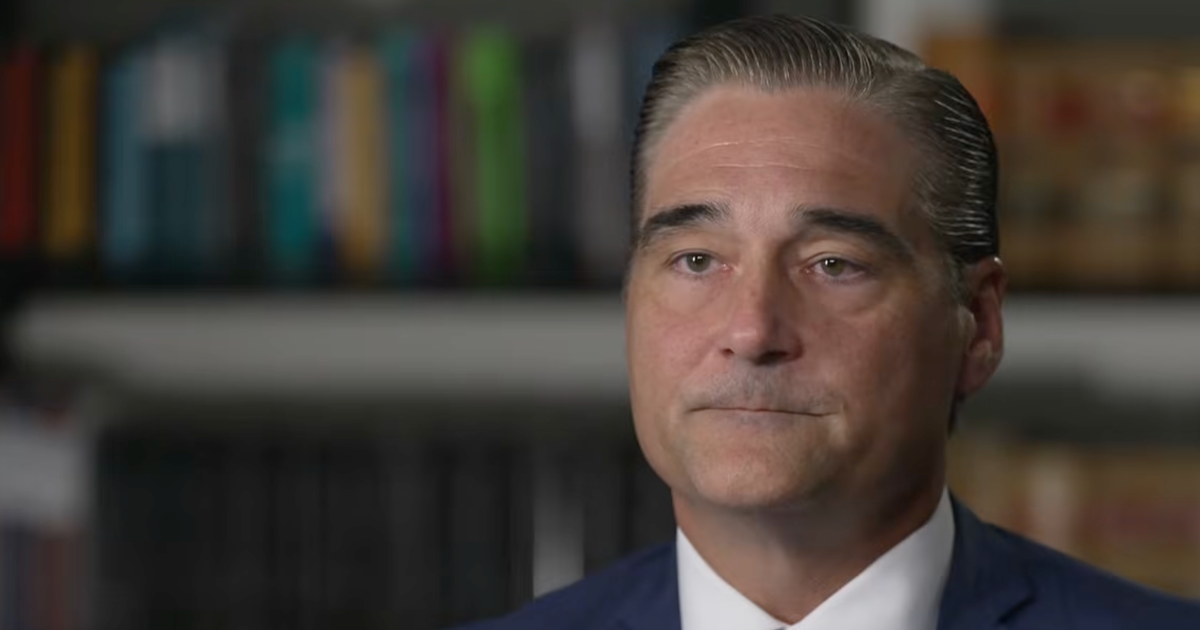
Houston prosecutor Sean Teare says his office is prepared to charge ICE agents if wrongdoing is found in the fatal shooting of a Mexican immigrant. Teare's office is conducting an investigation into the killing of Lorenzo Salgado Araujo by an Immigration and Customs Enforcement agent on July 7.
A Mexican immigrant named Lorenzo Salgado Araujo was shot and killed by an ICE agent in Houston. The agent claimed that Salgado Araujo had weaponized his van, but his family says that's not true. Now, the police are investigating and might charge the agent if they find out he did something wrong.
Analysis
A Fatal Shooting and a Community's Demands for Justice
The fatal shooting of Lorenzo Salgado Araujo by an Immigration and Customs Enforcement (ICE) agent on July 7 has sparked widespread outrage and calls for justice in the Houston community. The incident has raised questions about the use of force by ICE agents and the treatment of immigrants in the US.
According to reports, Salgado Araujo was driving a van when he was stopped by ICE agents. The agents claimed that Salgado Araujo had weaponized his van, prompting them to shoot him. However, Salgado Araujo's family has disputed these claims, saying that he was a loving father who had lived in the US for over three decades.
The investigation into the shooting is ongoing, with the Harris County District Attorney's office conducting an independent and transparent investigation. The office has issued dozens of subpoenas and is working to determine whether criminal charges will be filed against the agents involved.
ICE's Tactics and Training
The incident has also raised questions about the tactics and training of ICE agents. Harris County District Attorney Sean Teare has stated that ICE's tactics 'in no way resemble' the actions and training of law enforcement agencies he has worked with. Teare has also suggested that the agents involved may have been 'completely untrained' or 'intentionally putting themselves in situations where they can justify firing into cars.'
The Investigation and Potential Charges
The investigation into the shooting is ongoing, with the Harris County District Attorney's office working to determine whether criminal charges will be filed against the agents involved. Teare has stated that his office is 'more than prepared' to prosecute federal immigration agents if it finds criminal wrongdoing in the fatal shooting.
The case has sparked concerns about the use of force by ICE agents and the treatment of immigrants in the US. The investigation is ongoing, and Teare's office is working to determine whether criminal charges will be filed against the agents involved.
Key points
- The Harris County District Attorney's office is conducting an independent investigation into the fatal shooting of Lorenzo Salgado Araujo by an ICE agent.
- The investigation is looking into whether criminal charges will be filed against the agents involved.
- ICE has prohibited deportation agents from making vehicle stops in most cases, following the fatal shootings in Houston and Maine.
- The witnesses to the shooting, who are in ICE custody, may be eligible for U visas, which would protect them from deportation if they are classified as victims of crimes who assisted a law enforcement investigation.
If the investigation finds that the ICE agent acted wrongly, it could lead to changes in the way ICE agents are trained and the way they interact with the community. This could lead to a more positive relationship between ICE and the community, and a reduction in the use of force by ICE agents.
If the investigation finds that the ICE agent acted within the law, it could lead to a lack of trust in the police and the government. This could also lead to further polarization and division in the community, making it harder to find solutions to the complex issues surrounding immigration and law enforcement.