How BDEAC Succeeded in its International Market Gamble Despite its Fragilities
The Development Bank of Central African States (BDEAC) successfully raised $222 million through its first international bond issue, aiming to expand resources and finance CEMAC economies despite inherent financial fragilities and the operation's cost.
Intelligence analysis by Gemini 2.5 Flash
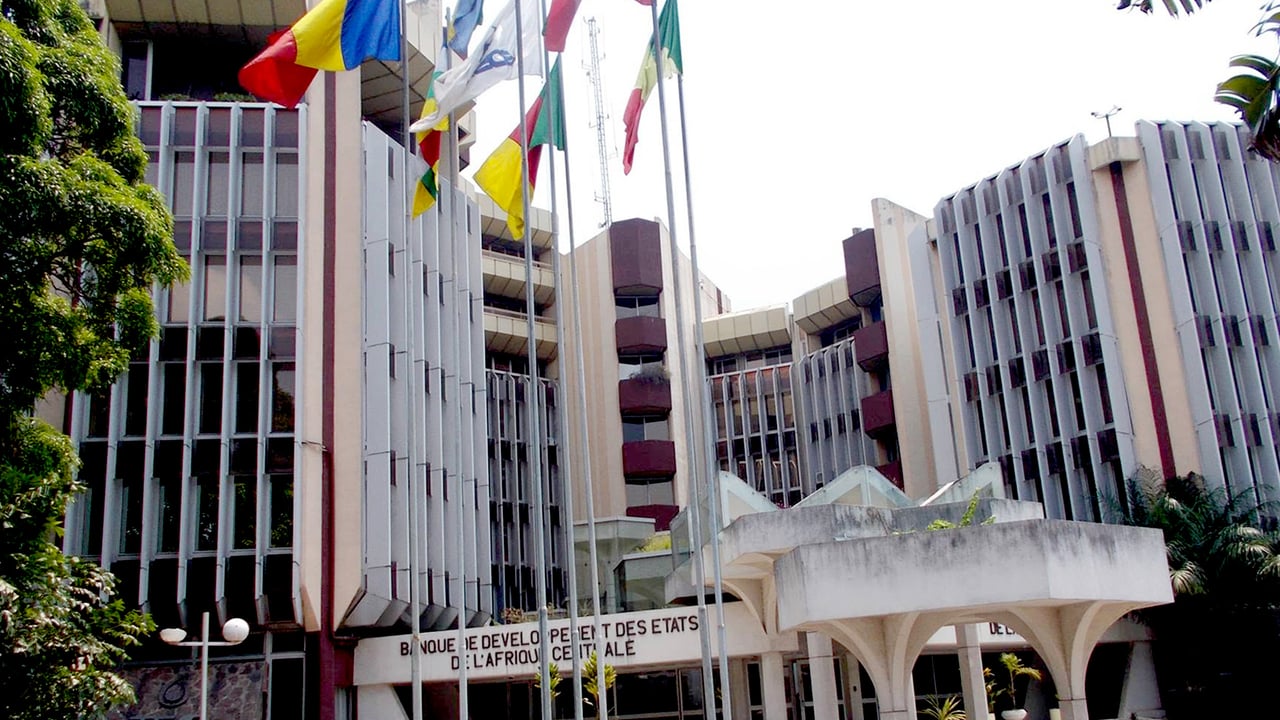
BDEAC, a regional development bank, made its debut on international capital markets, securing $222 million to bolster its funding capacity for Central African economies. This landmark achievement, however, comes with a high cost and underscores the institution's existing financial vulnerabilities, pointing to significant challenges ahead.
Imagine a bank that helps countries in Central Africa build roads and schools. For a long time, it got money from its member countries. But now, for the very first time, it asked big investors from all over the world for money, like selling special IOUs. It got $222 million! This is great because it means more money for important projects, but it was also a bit expensive for the bank, and it still needs to be careful with its own money.
Analysis
BDEAC's Market Debut
The Development Bank of Central African States (BDEAC), an institution established over five decades ago, recently marked a significant milestone by venturing into international capital markets for the first time. This move, which culminated in a successful bond issuance on October 13, represents a strategic shift for the Brazzaville-based bank. Historically reliant on traditional funding mechanisms, BDEAC's decision to tap global investors signals an ambition to diversify its financial base and enhance its capacity to support regional development initiatives. This inaugural international foray is particularly noteworthy given the bank's long history and the often-conservative nature of regional development finance.
222 Million Dollars Mobilized
The bond issue successfully mobilized 222 million dollars, equivalent to approximately 125 billion F CFA. This substantial capital injection is intended to serve as a new and expanded resource pool for BDEAC, directly supporting its mandate to finance the economies of the Central African Economic and Monetary Community (CEMAC). While the sum represents a significant achievement for a first-time issuer from the region, the article highlights that the cost associated with this operation was considerable. This cost factor, coupled with the bank's pre-existing financial fragilities, suggests that while the fundraising was successful, it was not without its complexities and potential long-term implications for the institution's balance sheet.
CEMAC Economies' Financing
The primary objective behind BDEAC's venture into international markets is to bolster its ability to finance critical projects and economic development within the CEMAC member states. These economies often face significant funding gaps for infrastructure, industrial development, and social programs. By securing external capital, BDEAC aims to play a more robust role in addressing these needs, thereby fostering regional integration and sustainable growth. However, the article implicitly cautions that the success of this new funding channel will depend not only on the effective deployment of the raised capital but also on BDEAC's ability to strengthen its internal financial resilience and manage the costs associated with international borrowing. The "fragilities" mentioned suggest that while the capital is welcome, the underlying structural issues require ongoing attention.
Key points
- BDEAC successfully raised $222 million (125 billion F CFA) through its first international bond issue.
- The operation aims to expand BDEAC's resources to finance economies within the CEMAC region.
- The bond issue marks a significant milestone for the bank, created over 50 years ago.
- The article highlights the high cost of the operation and BDEAC's existing financial fragilities.
- This initiative is part of a broader effort to modernize the bank and support regional development.
The successful bond issue opens a vital new channel for BDEAC to access international capital, significantly enhancing its capacity to finance crucial development projects across CEMAC economies. This could lead to accelerated economic growth, improved infrastructure, and greater regional stability, positioning BDEAC as a more influential player in African development finance.
Despite the successful fundraising, the article points to the high cost of the operation and BDEAC's inherent financial fragilities. These factors could strain the bank's balance sheet, potentially limiting its long-term sustainability or forcing it to pass on higher costs to borrowing CEMAC states, thereby hindering the very development it aims to foster.