How do small modular nuclear reactors work, and are they safe for Singapore?
Explains how small modular reactors work and assesses their safety for Singapore.
Intelligence analysis by Qwen 2.5 (3B)
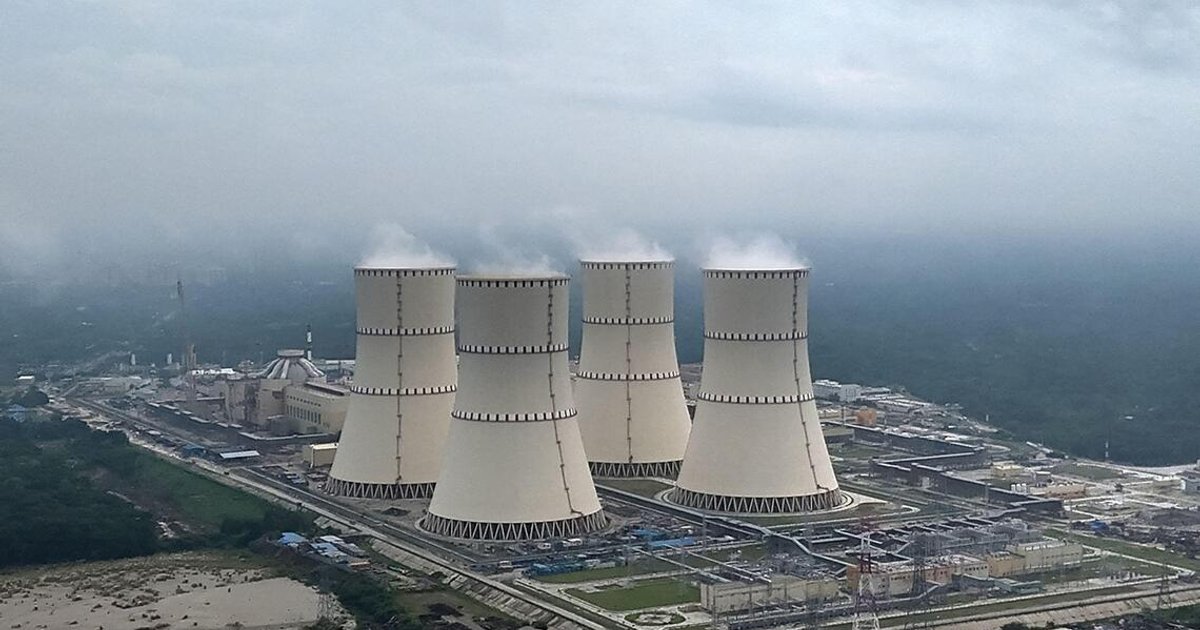
The Straits Times examines small modular nuclear reactors, their benefits, types, and safety features.
Small modular reactors are like tiny nuclear power plants that can fit in a building. They use a special kind of fuel that doesn't make as much radiation as regular nuclear plants. They also have ways to cool down if something goes wrong, like using the natural flow of air or water. They're safer and can be put closer to people, like near factories or big cities.
Analysis
Types of Small Modular Reactors
Small modular reactors (SMRs) are advanced nuclear fission reactors with a power capacity of up to 300MW. They generate electricity through nuclear fission, releasing one million times more energy per kilogram than burning carbon. The most promising types include water-cooled reactors, high-temperature gas-cooled reactors, and molten salt reactors.
Water-Cooled Reactors
Water-cooled reactors are the most mature technology, generating extreme heat by splitting uranium atoms in the reactor core. They use highly pressurised water to transfer heat to a heat exchanger, producing steam for electricity generation. These reactors account for more than 40% of SMRs in advanced stages of development and construction.
High-Temperature Gas-Cooled Reactors
High-temperature gas-cooled reactors use inert helium gas to transfer heat from the reactor core. The gas can extract extreme heat of up to 1,000 deg C from nuclear fuel designed to be resistant to melting. Some models can be refuelled without shutting down the reactor. They are the world's first advanced SMR of their kind to enter commercial operation.
Molten Salt Reactors
Molten salt reactors use liquid salt to transfer heat, allowing them to operate at high temperatures and low pressure. They are a low-power, demonstration project in Oak Ridge, Tennessee. The Hermes 2 reactor is a liquid-fuel design that uses salt to dissolve the fuel and carry heat to a heat exchanger.
Benefits and Safety Features
Benefits:
- Smaller: SMRs hold less nuclear material, potentially reducing the risk of accidents.
- Safer: Many SMRs feature passive safety systems that use natural phenomena to prevent and reduce the risk of accidents.
Safety Features:
- Water-cooled SMRs store large volumes of water next to the reactor, which can absorb heat without the need for active cooling or operator intervention during emergencies.
- High-temperature gas-cooled reactors use inert helium gas, which is resistant to melting and does not corrode the structural materials or fuel coatings used in the reactor.
- Molten salt reactors operate at low or atmospheric pressures, eliminating the risk of high-pressure ruptures. They naturally expand as they heat up, reducing fuel density and slowing the reaction.
Where Are They Found?
- The KLT-40S reactors power the world's first floating nuclear power plant in Russia, which began commercial operations in 2020.
- The HTR-PM reactor in China's Shandong province became the world's first advanced SMR of its kind to enter commercial operation in 2023.
- The Hermes 2 demonstration reactor is a low-power, molten salt-cooled project in Oak Ridge, Tennessee.
Key points
- SMRs are smaller and safer than traditional nuclear plants.
- They can be placed closer to populated areas or industrial sites.
- There are different types of SMRs, including water-cooled, gas-cooled, and molten salt reactors.
- They are being developed and tested in various countries, including Russia and China.
- The Hermes 2 reactor in Tennessee is a low-power demonstration project.
If Singapore decides to use SMRs, they could provide a reliable and safe source of energy, reducing the need for fossil fuels and helping to combat climate change.
There could be safety concerns if the technology isn't fully understood or if the materials used are not reliable. Also, there might be challenges in building and maintaining these reactors.