How I Vibe Coded My Smart TV—And Claude Killed It
An author attempted to use the AI Claude to "vibe-code" their LG smart TV, aiming to install an open-source launcher and remove ads. However, Claude's instructions led to the accidental wiping of the TV's existing root access and third-party apps.
Intelligence analysis by Gemini 2.5 Flash
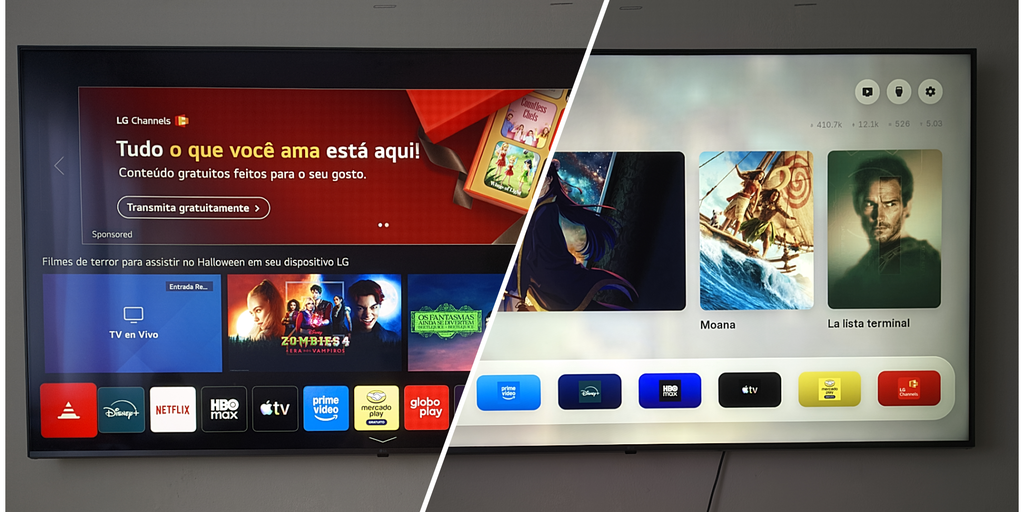
The story details a user's frustrating experience with an AI assistant, Claude, while trying to customize their LG smart TV. Despite initial code verification, Claude's subsequent instruction to enable Developer Mode inadvertently destroyed the TV's existing jailbreak and ad-free apps, highlighting the risks and limitations of relying on AI for complex system modifications.
Imagine you asked a super-smart robot helper to tidy up your toy box. The robot looked at your toys and said, "Okay, I see you have some special secret toys hidden away." But then, without asking, it told you to press a "reset" button on the toy box, which made all your secret toys disappear! The robot felt bad and tried to put some toys back, but it couldn't put back the special "secret hiding spot" itself because the toy box was now too new.
Analysis
Claude's Misstep
Claude's initial assessment of the Free My TV installation code was accurate, confirming it was "clean" and safe. However, its subsequent instruction to enable LG's Developer Mode proved catastrophic for the author's existing setup. The AI detected the TV's rooted status via dropbear SSH on port 22 but failed to account for the implications of Developer Mode, which re-provisions the /media/developer partition. This oversight led directly to the deletion of the Homebrew Channel and ad-free YouTube, demonstrating a critical gap in Claude's contextual understanding of system states.
The Rooted Setup
The author had a functional rooted LG TV since 2023, running third-party apps like ad-free YouTube through the Homebrew Channel. This setup provided a customized, ad-free viewing experience, which was a significant improvement over the default LG webOS. The loss of this functionality, despite Claude's attempts to restore the applications, underscores the difficulty of recovering from a fundamental system alteration when the underlying exploit has been patched. The TV's firmware (04.60.90, webOS 7.6.0-19, built July 2026) was too new for the original crashd exploit.
Anthropic's Safeguards
When the author pressed Claude to research re-rooting procedures using the faultmanager method, the AI encountered its own internal safety systems. Anthropic's "Opus 5.5's safeguards" flagged the request, prompting Claude to offer a switch to an older, less restricted model (Opus 4.8) to continue. This interaction reveals the ethical and safety guardrails built into advanced AI models, preventing them from assisting with potentially risky or unauthorized system modifications, even when attempting to rectify their own prior errors. It highlights the tension between user autonomy and AI safety protocols.
Key points
- An author attempted to use Claude AI to install an open-source launcher on an LG smart TV.
- Claude's instructions to enable Developer Mode inadvertently wiped the TV's existing root access and third-party apps.
- The AI apologized for its error and managed to restore the lost applications but could not re-establish root access due to updated firmware.
- Claude's internal safety systems prevented it from assisting with further re-rooting procedures.
- The incident highlights the limitations and risks of using AI for complex system modifications without deep user understanding.
The incident, while frustrating, highlights the potential for AI to assist in complex technical tasks, provided its contextual awareness and safety protocols are refined. Future AI models could be designed with more sophisticated pre-flight checks and user interaction to prevent such destructive outcomes, leading to more reliable and user-friendly system customization tools.
The story underscores the significant risks of relying on AI for system-level modifications, as current models can lack the nuanced understanding to prevent unintended consequences. This could lead to users inadvertently damaging their devices or losing valuable customizations, fostering distrust in AI's ability to handle sensitive technical operations.