How switching your bank account could earn you up to £220
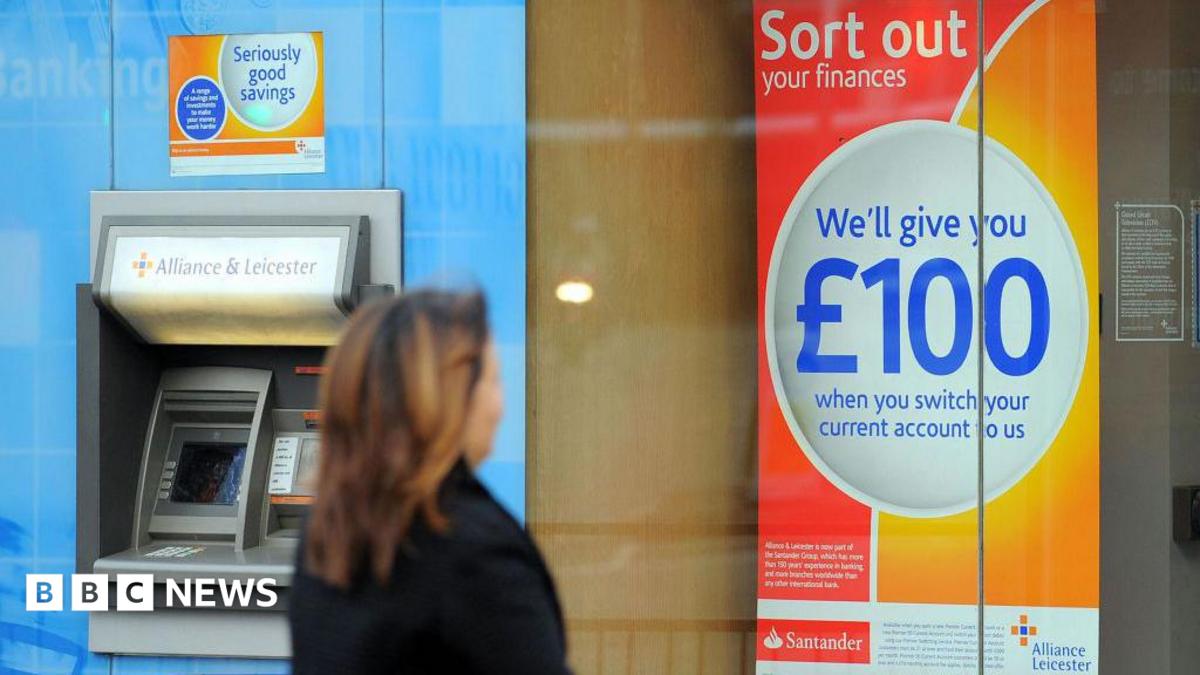
Many of us have been with the same bank for years, potentially missing out on hundreds of pounds that rivals are offering us to move to them. Banks are competing to change our mind with incentives to switch, including the largest bonus of £220.
Intelligence analysis by Llama
Banks are offering incentives to switch, with the largest bonus being £220. Staying with the same bank can cost British savers around £12bn in missed interest every year.
Imagine you have money in a bank account, but you're not getting the best interest rate. Other banks might offer you more money to move your account to them. It's like a competition to get your money. If you switch banks, you might get a better interest rate and earn more money. But, you need to be careful and make sure you understand how it works.
Analysis
The concept of inertia in banking is a significant issue for British savers. According to a survey by Hargreaves Lansdown, almost two thirds of British savers have been with their bank for more than a decade. This inertia is worth a fortune to banks, while costing British savers billions of pounds a year. The survey found that 34% of respondents had moved their money in the last 12 months, with the overwhelming reason being to secure a better return. However, people are often held back by the effort of repeatedly finding, opening and juggling different accounts. This is where banks come in, offering sweeteners to encourage people to switch. The bonus should be the 'cherry on top' and people shouldn't overlook other aspects such as the bank's reputation for service, any overdraft charges and what savings rate it offers. The Current Account Switch Service (CASS) makes it easier to switch banks, as it will transfer payments, move the balance, and redirect incoming payments, such as benefits or salaries. However, people will need to transfer any recurring card payments, such as subscriptions, manually. It's essential to consider the impact of switching on your credit report, as it will show up when lenders decide how much money you can borrow for a mortgage. If you're planning to apply for a loan or mortgage in the next 12 months, you may want to wait until the deal is done. Overall, switching banks can be a great way to save money, but it's crucial to consider all the factors involved.
Key points
- Banks are offering incentives to switch, including the largest bonus of £220.
- Staying with the same bank can cost British savers around £12bn in missed interest every year.
- The Current Account Switch Service (CASS) makes it easier to switch banks.
- Switching banks can have a positive impact on the economy, as people have more disposable income to spend.
- However, switching banks can also have negative consequences, such as the impact on credit reports.
If people switch banks and take advantage of the incentives, they could save a significant amount of money. This could lead to a boost in the economy, as people have more disposable income to spend. Additionally, the competition between banks could lead to better services and products for consumers.
However, switching banks can also have negative consequences, such as the impact on credit reports. If people switch banks too frequently, it could dent their credit score, making it harder to get a loan or mortgage in the future. Furthermore, the process of switching banks can be complex and time-consuming, which could lead to frustration and stress for consumers.