How to get the buzz back on Britain’s high streets | Letters
Readers propose various solutions to revitalize Britain's declining high streets, including a parcel delivery levy, local loyalty platforms, and repurposing vacant spaces for housing and community services.
Intelligence analysis by Gemini 2.5 Flash
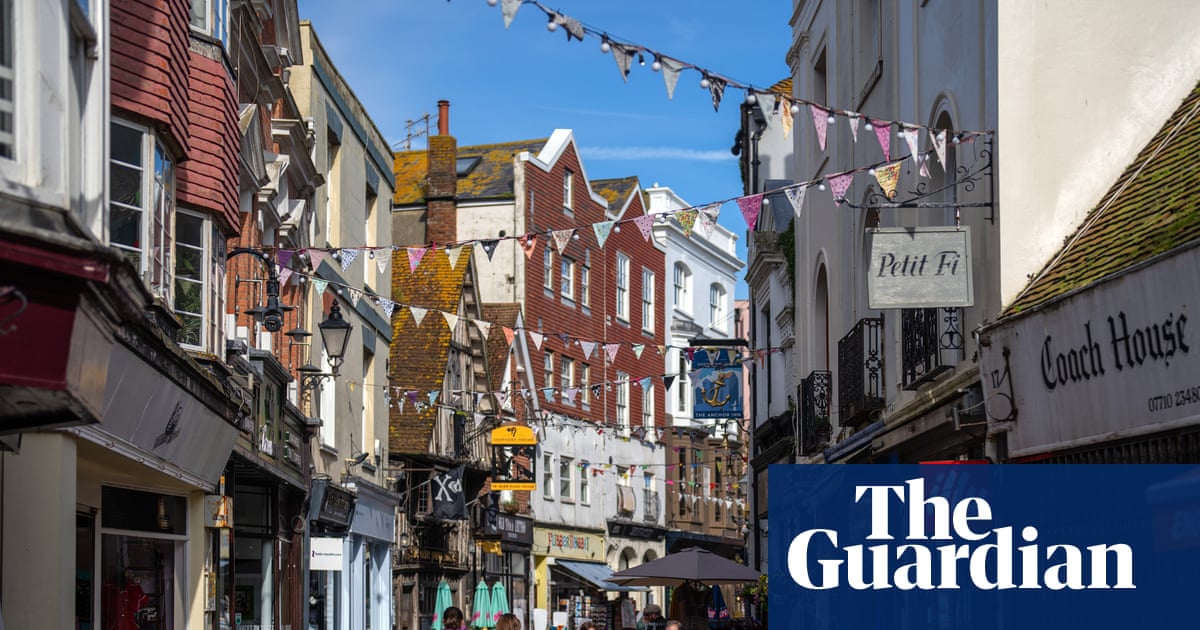
The article compiles letters from readers responding to the decline of British high streets, highlighting the impact of out-of-town retail parks and home delivery. Proposed solutions range from policy changes like a parcel levy to community-led initiatives and a fundamental shift in high street purpose towards residential and service-oriented spaces.
Imagine your town's main street, which used to be bustling with shops, now feels a bit empty because everyone buys things online or at big stores far away. People are suggesting ways to make it fun and useful again. One idea is to charge a small fee for packages delivered to your house, but make it free if you pick them up from a local shop, encouraging people to visit. Another idea is to create special apps that reward you for shopping at small local businesses. And instead of just shops, they want to add homes, doctors' offices, parks, and places for art so people have more reasons to be there.
Analysis
The ongoing decline of Britain's high streets is presented as a multifaceted issue, stemming from decades of planning policy that favored out-of-town retail parks and, more recently, the surge in home delivery. The letters collectively argue that a fundamental shift in approach is required, moving beyond one-off grants to address structural problems and redefine the purpose of town centers.
£1 Parcel Levy
Dan Johnson, co-founder of Crafty Vintage, proposes a novel policy intervention: a £1 levy on every parcel delivered to a residential address, with an exemption for parcels collected from town-center shops, lockers, or pickup points. This mechanism aims to incentivize footfall back into town centers by making local collection the cheapest option. The revenue generated would be ringfenced and returned to local council areas, with 60% allocated to transport infrastructure and 40% to markets and high streets, directly funding improvements and support for local businesses.
This proposal directly tackles the economic disincentive that home delivery currently poses to high street vitality. By making town centers a necessary stop for cost-conscious consumers, it seeks to re-establish a weekly reason for people to visit, fostering incidental spending and engagement with local businesses. The focus is less on the revenue itself and more on the behavioral change driven by the exemption, aiming to reverse the trend of parcels bypassing town centers entirely.
My Local First
Barry Ashley, who runs The Grumpy Cook cafe in Hastings, highlights the struggles of independent businesses and introduces his initiative, My Local First. This loyalty and rewards platform is designed to unite independent businesses, allowing customers to earn rewards for local spending and discover other local enterprises. Businesses can participate for a low monthly fee without commission, fostering a collective approach to local economic resilience.
Ashley emphasizes that high streets cannot thrive if local residents lack the disposable income to participate, leading to efforts to connect affordable food and community support through the platform. This initiative represents a community-led response, aiming to empower local economies by encouraging collective action rather than relying solely on government grants or individual businesses competing against multinational corporations. It seeks to rebuild belief in local economies from the ground up.
Hope on the High Street
Matthew Mckeague, CEO of the Architectural Heritage Fund, references the new government strategy, Hope on the High Street, which includes community-led schemes. He cites examples like High Street West in Sunderland, which transformed derelict shops into mixed-use spaces including a cafe, music venue, and workspaces, and a Grade II listed bank in Bacup converted into co-working space and affordable housing. These projects demonstrate a shift away from purely retail-focused high streets.
The broader vision articulated by Mckeague and other contributors suggests that the future of high streets lies in becoming vibrant places to live, meet, and access essential services, with retail playing a supporting role. This involves councils acquiring vacant sites for low-rise homes, interspersed with walk-in health support, childcare, community and arts spaces, and green areas. Careful planning and licensing powers are advocated to ensure a balanced mix of businesses, moving beyond a singular retail purpose to create genuinely thriving, community-centric neighborhoods.
Key points
- Out-of-town retail parks and home delivery have significantly contributed to the decline of British high streets, leading to high vacancy rates.
- A proposed £1 levy on residential parcel deliveries, with an exemption for town-center collection, aims to incentivize footfall back to high streets.
- Community-led initiatives, such as the 'My Local First' loyalty platform, seek to unite independent businesses and encourage local spending.
- The 'Hope on the High Street' government strategy and other proposals advocate for repurposing high street spaces for housing, community services, and green areas, moving beyond a retail-only focus.
- Revitalizing high streets requires collective action, policy changes, and a redefinition of their purpose to become places where people live, meet, and access essential services.
If the proposed strategies are implemented effectively, Britain's high streets could transform into vibrant, mixed-use community hubs, attracting residents and businesses alike. A shift towards local collection points and community-led initiatives could boost footfall and foster a stronger sense of local identity and economic resilience.
Without significant, coordinated policy changes and community engagement, high streets risk further decline, leading to increased vacancies, reduced local services, and a loss of community cohesion. Relying solely on grants or individual efforts may prove insufficient against the structural challenges posed by online retail and out-of-town developments.