How to prevent rainfall deficiency from becoming drought disaster
India faces increasing drought risk due to rainfall deficiency, its timing, and geographical distribution, exacerbated by the El Niño phenomenon.
Intelligence analysis by Gemini 2.5 Flash
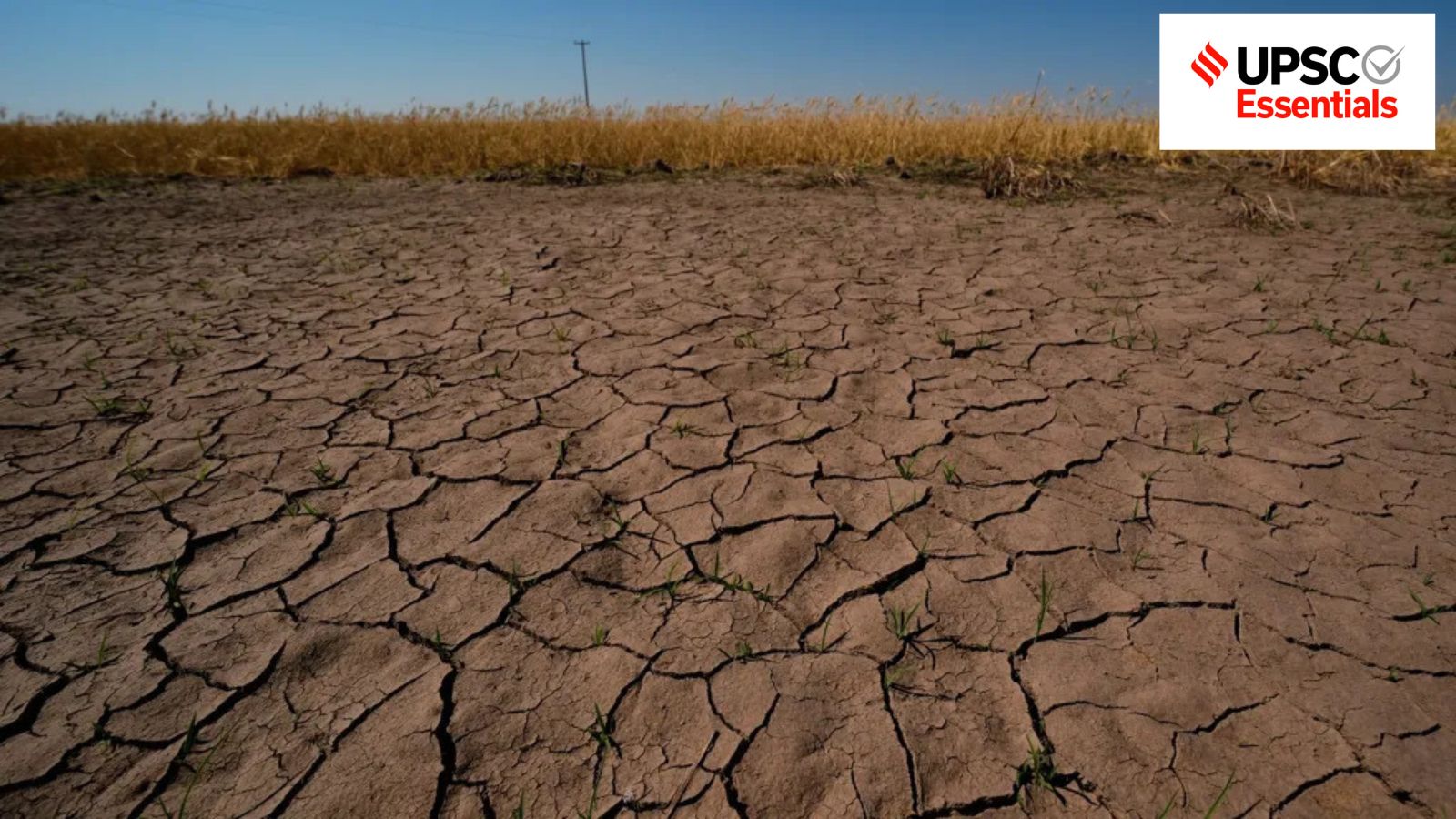
Several Indian states, including Telangana, Karnataka, Maharashtra, and Andhra Pradesh, have declared drought conditions amid concerns over El Niño and uneven monsoon rainfall. The article details the characteristics and types of drought, the factors contributing to India's vulnerability, and the administrative processes and indicators used for drought monitoring and declaration.
Imagine your garden needs a certain amount of water to grow healthy plants, but some years, it just doesn't rain enough. That's kind of what's happening in India with droughts. Big weather patterns, like something called El Niño, can make it rain less than usual, especially in certain areas. When this happens, plants don't get enough water, rivers and lakes dry up, and it becomes hard for farmers to grow food. The government tries to figure out when this is happening quickly so they can help people and farms get the water they need.
Analysis
India is increasingly susceptible to drought, a trend underscored by a 29% global increase in droughts over the last two decades, as noted in the 2025 Global Assessment Report (GAR) on Disaster Risk Reduction. Approximately two-thirds of India's land area is now considered drought-prone, reflecting a significant environmental challenge. The El Niño phenomenon, active in the equatorial Pacific Ocean, played a substantial role in the 2023 monsoon season, leading to a 13% rainfall deficit across the country compared to its long-period average (LPA).
El Niño Phenomenon
The El Niño phenomenon has been identified as a primary driver behind the recent rainfall deficiencies in India, significantly impacting the crucial June-September monsoon season. The country recorded only 759.4 mm of rainfall against an LPA of 868.6 mm, indicating a substantial shortfall. Monthly data further reveals a 35% deficit in June and an 84% receipt of LPA in August, which is typically the second rainiest month.
This imbalance in rainfall distribution has led to severe conditions, particularly in the South Peninsula and East and Northeast India, which received only 76% and 74% of their respective LPAs. The timing and geographical spread of these deficits, alongside the overall rainfall shortage, are critical factors exacerbating India's drought risk. Understanding and predicting the influence of El Niño is therefore paramount for proactive drought management.
2025 Global Assessment Report (GAR)
The 2025 Global Assessment Report (GAR) on Disaster Risk Reduction highlights a concerning global trend: a 29% increase in droughts over the past two decades. India mirrors this global pattern, with a significant portion of its land area now vulnerable to drought conditions. This report underscores the escalating frequency and intensity of drought events worldwide, making it a critical issue for disaster preparedness and climate resilience.
For India, this trend translates into more frequent and prolonged periods of water scarcity, higher temperatures, and larger spatial extents of affected regions. The implications are far-reaching, impacting agricultural productivity, water security, and the socio-economic well-being of millions. The GAR's findings serve as a stark reminder of the urgent need for robust national and state-level strategies to mitigate drought impacts and adapt to changing climatic patterns.
Updated Manual of Drought Management (2020)
The Ministry of Agriculture and Farmers Welfare's Updated Manual of Drought Management (2020) outlines the administrative framework for drought declaration and response in India. This manual emphasizes that declaring a drought is an administrative decision by state governments, guided by objective parameters to ensure timely relief. The process aims to provide assistance and concessions to affected populations without undue delay.
States utilize five categories of indicators for drought assessment: rainfall, vegetation, crop, water, and others. Rainfall deficiency is the primary trigger, with meteorological drought defined by the India Meteorological Department (IMD) as seasonal rainfall less than 75% of its LPA. The manual's guidelines are crucial for standardizing the assessment and declaration process, enabling a coordinated and effective response to drought conditions across different administrative units.
Key points
- India's drought risk is driven by rainfall deficiency, its timing, and geographical distribution, with two-thirds of the country being drought-prone.
- The El Niño phenomenon significantly impacted India's 2023 monsoon, resulting in a 13% rainfall deficit compared to the long-period average.
- Droughts are categorized into meteorological, agricultural, hydrological, socio-economic, and ecological types, each with distinct impacts.
- The declaration of drought is an administrative decision by state governments, guided by objective parameters outlined in the Updated Manual of Drought Management (2020).
- Assessment indicators for drought include rainfall, vegetation, crop health, water levels, and other relevant factors to determine the severity and extent of the crisis.
Effective implementation of the Updated Manual of Drought Management (2020) and timely administrative decisions by state governments could significantly mitigate the impact of rainfall deficiencies. Proactive monitoring and the provision of relief assistance and concessions can help protect agricultural livelihoods and ensure water security for affected populations.
Persistent El Niño conditions and uneven rainfall distribution, coupled with potential delays in drought declaration or inadequate management, could lead to severe agricultural losses, widespread water scarcity, and significant socio-economic distress across vulnerable regions of India.