How virtual reality is helping seniors 'travel the world,' experience new things
Senior citizens are using VR to 'travel the world' and improve their health.
Intelligence analysis by Qwen 2.5 (3B)
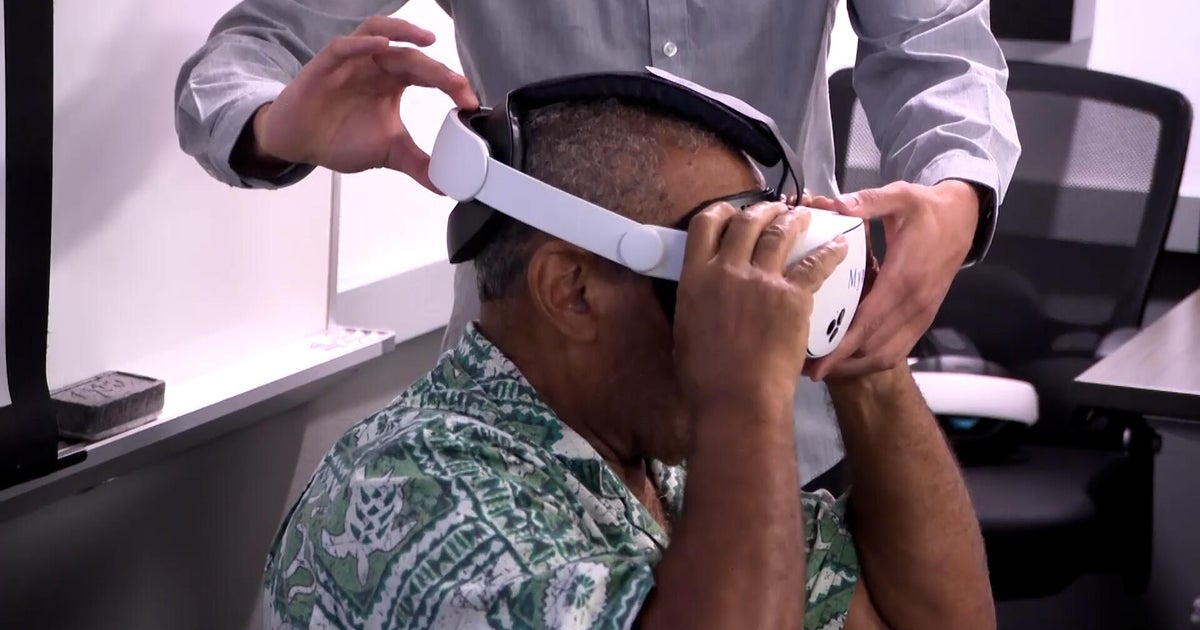
Virtual reality is aiding older adults in experiencing new things and connecting with others.
Seniors are using VR to visit places they can't go to in real life, like museums and historical sites. This helps them feel connected to others and stay active. Some are also using it for therapy to help with their health.
Analysis
Virtual Reality and Seniors
Enhancing Connections
Senior citizens are using VR to connect with others and find common ground, according to Gwen Baumgardner. The technology allows them to 'travel the world' without leaving their homes. For example, a group of seniors in a retirement community used VR to visit historical sites and museums, fostering a sense of community and shared experiences. According to the article, this not only enriches their lives but also helps them feel less isolated.
Improving Health
VR is also being used to improve the health of seniors. A study cited in the article found that seniors who used VR for physical therapy experienced significant improvements in balance and mobility. The immersive nature of VR can make these exercises more engaging and effective. Additionally, VR can be used to provide therapy for conditions like dementia, helping patients maintain cognitive function and reduce agitation.
Challenges and Considerations
While VR offers many benefits, there are also challenges. The article notes that the cost of VR equipment can be a barrier for some seniors. Additionally, the technology requires a certain level of dexterity and comfort with technology, which may not be accessible to all. However, the benefits of VR for seniors seem to outweigh these challenges.
Future Outlook
As VR technology continues to evolve, the potential applications for seniors are vast. The article suggests that VR could be used to provide educational experiences, such as virtual tours of historical landmarks or science museums. It could also be used to provide social support, such as virtual visits with family members or friends who live far away. The future looks promising for how VR can enhance the lives of older adults.
Key points
- Senior citizens are using VR to 'travel the world' and connect with others.
- VR is being used for physical therapy to improve balance and mobility.
- VR can help with dementia care by maintaining cognitive function and reducing agitation.
- VR could be used for educational and social support experiences.
- The future looks promising for how VR can enhance the lives of older adults.
As VR technology improves and becomes more affordable, it has the potential to significantly improve the lives of seniors by providing them with new experiences and helping them stay active and engaged.
There are challenges with the cost of VR equipment and the need for some dexterity, but the benefits for seniors seem to outweigh these issues.