Icelanders Vote Against EU Accession Negotiations in Referendum
Icelandic citizens have narrowly rejected the resumption of EU accession talks in a national referendum, with 52.8% voting against and 47.2% in favor.
Intelligence analysis by Gemini 2.5 Flash
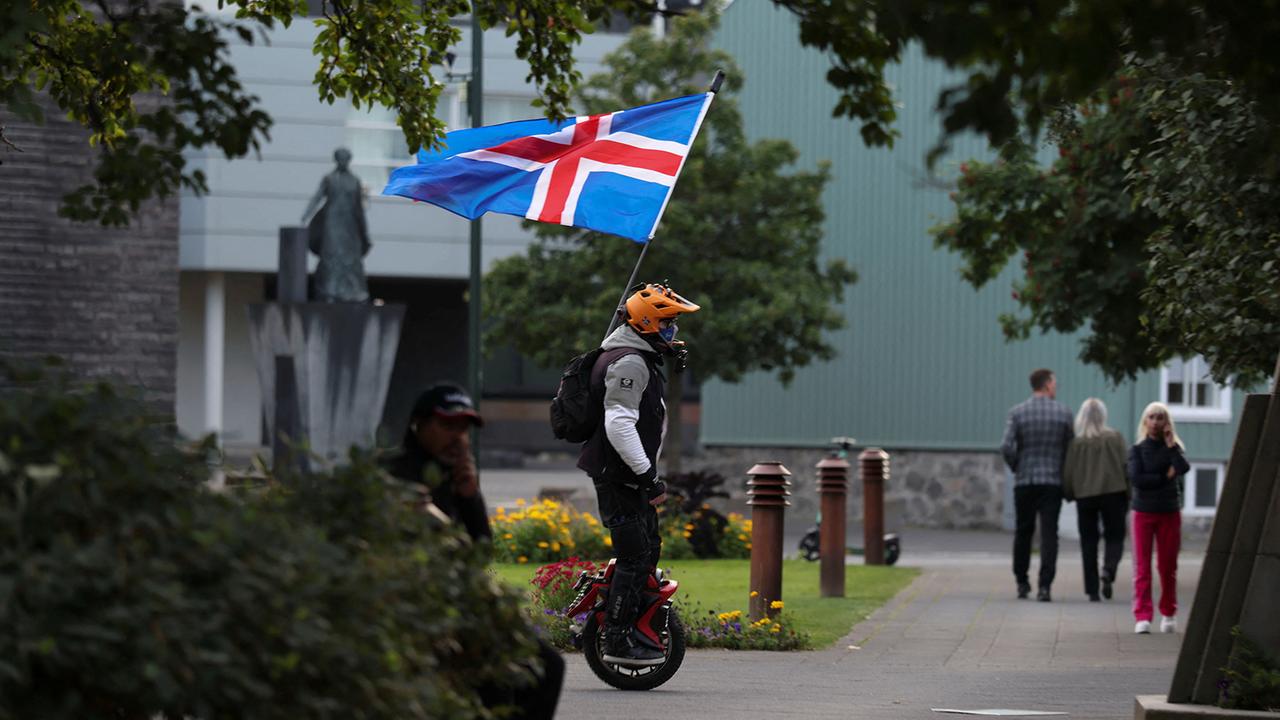
A recent referendum in Iceland saw voters decide against restarting negotiations for the country to join the European Union. The outcome was tight, reflecting a long-standing debate within the island nation about its relationship with the bloc, especially after previous attempts to join were halted.
Imagine Iceland is a small club, and the European Union is a much bigger club with lots of rules. For a long time, Icelanders have been thinking about joining the big club, especially when things got tough. But recently, they had a vote, and just like choosing between two flavors of ice cream, more people decided they didn't want to join the big club right now. It was a very close vote, like 52 people saying no and 47 people saying yes out of 100, showing that many people still like the idea of joining.
Analysis
The recent referendum in Iceland, which saw a narrow majority of 52.8% vote against resuming EU accession negotiations, underscores the complex and often ambivalent relationship the island nation has with the European Union. This outcome is not merely a rejection of a political process but reflects deeper national sentiments regarding sovereignty, economic independence, and cultural identity. The debate surrounding EU membership has been a recurring theme in Icelandic politics for decades, often resurfacing during periods of economic instability or shifts in global power dynamics.
Kristrún Frostadóttir
Social democratic Prime Minister Kristrún Frostadóttir had publicly committed to honoring the outcome of the popular vote, a stance that provided democratic legitimacy to the referendum's result. Her government's decision to hold the referendum itself indicates a desire to settle the long-standing question of EU membership, which has divided political parties and the public. The narrow margin of the vote, however, suggests that while the 'No' camp prevailed, a significant portion of the population remains open to the idea of closer ties or even full membership with the EU, leaving the door open for future discussions should political or economic circumstances change.
2009
The historical context of Iceland's relationship with the EU is crucial, particularly the period following the 2009 financial crisis. It was in the wake of this severe economic downturn that Iceland, a country with approximately 400,000 inhabitants, initially applied for EU membership. This move was largely seen as a pragmatic response to stabilize the economy and gain access to the larger European market and its institutions. However, the enthusiasm waned, and by 2013, a newly elected EU-skeptic government froze the accession plans, citing concerns over national control of fisheries and monetary policy. This historical precedent illustrates the cyclical nature of Iceland's engagement with the EU, often driven by immediate national interests rather than a consistent long-term vision.
270,000
The participation of over 270,000 eligible Icelandic voters in the referendum highlights the democratic engagement of the populace on this critical issue. The fact that approximately 12,000 more people voted against continuing the negotiations than for them, out of a relatively small electorate, emphasizes the decisive yet close nature of the decision. A fifth of the voters had already cast their ballots in advance, indicating a high level of public interest and pre-meditation on the matter. This strong turnout and the clear, albeit narrow, result provide a mandate for the current government to maintain Iceland's independent course outside the EU, at least for the foreseeable future, while still participating in the European Economic Area (EEA) agreement.
Key points
- Icelanders voted against resuming EU accession negotiations in a national referendum.
- The 'No' vote secured 52.8% of the ballots, while 47.2% voted 'Yes', indicating a narrow margin.
- Approximately 12,000 more people voted against the talks than for them, out of over 270,000 eligible voters.
- The social democratic Prime Minister Kristrún Frostadóttir had pledged to respect the referendum's outcome.
- Iceland previously applied for EU membership in 2009 during the financial crisis but froze plans in 2013 due to an EU-skeptic government.
Iceland's decision to remain outside the EU could allow it to maintain full control over its vital fishing grounds and independent monetary policy, potentially fostering greater national self-determination and economic flexibility. This autonomy might enable Iceland to pursue bespoke trade agreements and policies that best suit its unique economic structure and natural resources.
The rejection of EU accession talks could mean Iceland misses out on the economic benefits of deeper integration with the EU's single market and the political influence that comes with being a member state. It might also limit Iceland's ability to shape broader European policies and could lead to a more isolated position in an increasingly interconnected global landscape.