If Waymo Cars Are Level 4 Automation, What Does It Take To Be A Level 5?
Waymo's cars are considered Level 4 automation, but what does it take to be a Level 5? The key distinction is not how 'independent' the driving looks in practice, but where that independence is allowed to exist.
Intelligence analysis by Llama
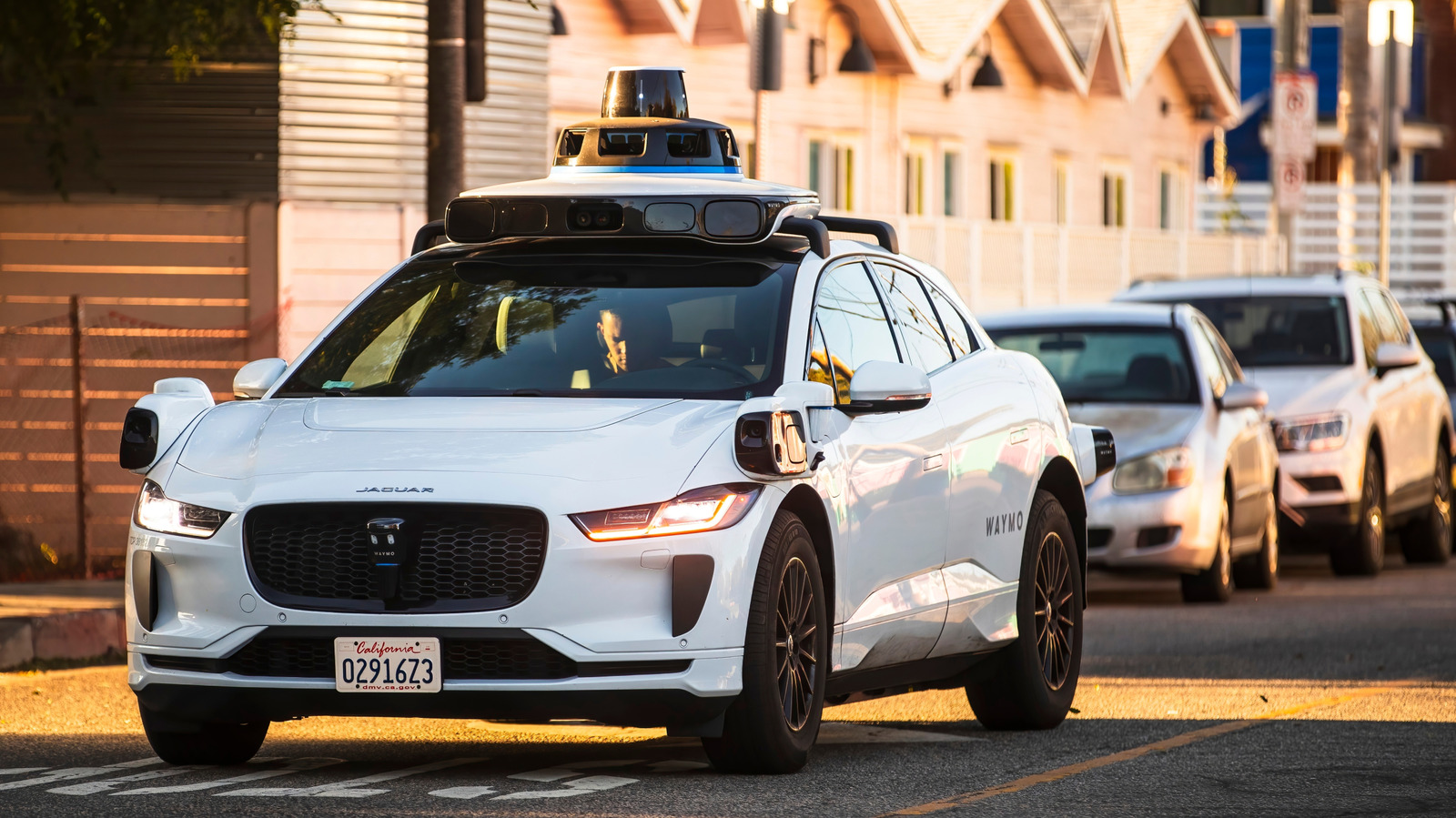
Waymo's cars can handle the entire driving task without human input within a defined set of conditions and locations, but Level 5 removes those boundaries entirely. The difference is scope, not who is responsible for driving.
Imagine you're in a car that can drive itself, but it can only do it in certain areas, like a specific city or on certain roads. That's Level 4 automation. Level 5 is like having a car that can drive itself anywhere, anytime, without any limitations. It's like having a super-smart car that can handle any situation.
Analysis
What Is Level 5 Automation?
Level 5 automation is the highest level of automation, where the system can operate universally without any limitations. It means that the system can handle driving tasks in any environment, without the need for human intervention. In contrast, Level 4 automation is limited to specific conditions and locations.
Why Is Waymo Considered Level 4 Automation?
Waymo's automated driving system is classified as Level 4 because it can handle the entire driving task without human input within a defined set of conditions and locations. However, it still operates within a limited service area, which is not the case for Level 5.
What Separates Level 4 from Level 5 Automation?
The key distinction between Level 4 and Level 5 automation is the operational design domain (ODD). Level 4 systems are designed to operate within a specific ODD, which defines where and under what conditions the system is designed to operate. Level 5, on the other hand, removes those boundaries entirely, allowing the system to operate universally.
Why Getting to Level 5 Is Much Harder Than Expanding Level 4
Expanding a Level 4 system gives developers boundaries around the problem, making it easier to test and evaluate the system. However, removing those boundaries dramatically increases what has to be accounted for, making it much harder to achieve Level 5. The complexity of evaluating a Level 4 system is already high, and it becomes even more challenging when trying to achieve Level 5.
Key points
- Waymo's cars are considered Level 4 automation, but what does it take to be a Level 5?
- The key distinction is not how 'independent' the driving looks in practice, but where that independence is allowed to exist.
- Level 5 automation is the highest level of automation, where the system can operate universally without any limitations.
- Expanding a Level 4 system gives developers boundaries around the problem, making it easier to test and evaluate the system.
- However, removing those boundaries dramatically increases what has to be accounted for, making it much harder to achieve Level 5.
If Waymo can successfully develop Level 5 automation, it could revolutionize the way we travel, making it safer, more efficient, and more convenient. It could also enable the widespread adoption of self-driving cars, which could have a significant impact on the environment and the economy.
However, achieving Level 5 automation is a significant technological challenge, and it may take longer than expected. There are also concerns about the safety and security of Level 5 systems, which could be vulnerable to cyber attacks or other forms of hacking.