In Senegal, why Pastef repeatedly clashes with the Constitutional Council's censorship
Senegal's Constitutional Council has repeatedly censored legislative proposals from Ousmane Sonko's Pastef party since the 2024 elections, highlighting an ongoing institutional power struggle.
Intelligence analysis by Gemini 2.5 Flash
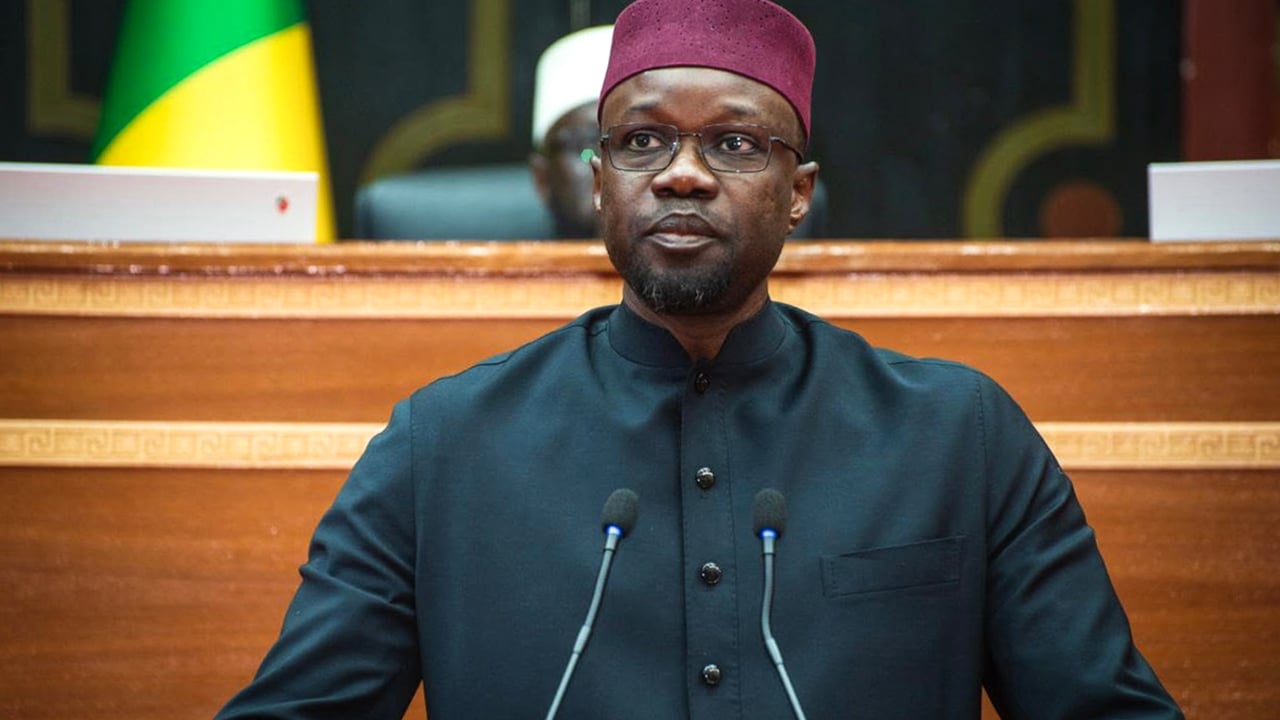
The article details a recurring conflict in Senegalese politics where the Constitutional Council, often referred to as the 'seven sages,' has blocked numerous bills proposed by the Pastef party. This institutional friction, particularly concerning a bill on 'special credits' for the presidency, underscores a significant power dynamic between the legislative and judicial branches.
Imagine a school where the student council (Pastef) wants to make new rules, but the principal's office (Constitutional Council) keeps saying 'no' because the rules don't fit with the school's main rulebook. This is happening in Senegal, where the new ruling party keeps trying to pass laws, especially one about how the president spends special money, but the country's top legal group keeps blocking them, saying they're not allowed by the country's constitution.
Analysis
The repeated censorship of legislative texts proposed by the Pastef party by Senegal's Constitutional Council signals a profound institutional tension within the country's political landscape. Since the 2024 legislative elections, at least ten bills from Ousmane Sonko's party have been rejected by the 'seven sages,' as the Council members are known. This pattern suggests a deliberate and consistent application of constitutional review, which Pastef views as an impediment to its legislative agenda.
Constitutional Council
The Constitutional Council in Senegal serves as the ultimate arbiter of the constitutionality of laws. Its role is to ensure that legislative proposals align with the nation's foundational legal framework. The article highlights the Council's recent decision on October 15, where it urgently reviewed a second version of a bill concerning 'special credits.' This particular bill, which deals with political funds allocated to the presidency, had already been censored once before. The Council's consistent blocking of Pastef's initiatives underscores its perceived independence and its critical function in upholding constitutional principles, even when it clashes with the legislative majority.
Pastef's Legislative Agenda
Pastef, led by figures like Ousmane Sonko, who was elected President of the National Assembly on May 26, has been actively pursuing its legislative agenda following its electoral success. The party's proposals, including the contentious bill on 'special credits,' aim to reshape governance and financial oversight within the executive branch. The repeated rejections by the Constitutional Council, however, indicate a significant hurdle for Pastef in translating its political mandate into actionable law. This situation forces the party to either revise its proposals to meet constitutional standards or to confront the Council directly, potentially escalating the institutional conflict.
Special Credits
The specific focus on the legal regime of 'special credits' is particularly telling. These funds, allocated to the presidency, are often a point of contention regarding transparency and accountability. Pastef's attempt to legislate on this matter suggests a desire to reform or bring greater scrutiny to presidential spending. The Constitutional Council's censorship of this bill, even in its revised form, implies that the proposed changes might infringe upon existing constitutional provisions or the established powers of the presidency. This ongoing dispute over 'special credits' exemplifies the broader struggle for power and influence between the legislative and judicial branches in Senegal, with significant implications for future governance and the balance of power.
Key points
- Senegal's Constitutional Council has censored at least ten legislative texts from the Pastef party since the 2024 elections.
- The most recent censorship on October 15 concerned a bill on the legal regime of 'special credits' for the presidency.
- Ousmane Sonko, a key Pastef figure, was elected President of the National Assembly on May 26.
- The repeated rejections highlight an institutional power struggle between the legislative majority and the judicial body.
- The conflict centers on the constitutionality of Pastef's proposed reforms, particularly those affecting presidential powers and financial oversight.
The ongoing scrutiny by the Constitutional Council could ultimately lead to more robust and constitutionally sound legislation in Senegal. This process might force Pastef to refine its proposals, ensuring they are well-vetted and adhere strictly to legal frameworks, thereby strengthening democratic institutions and the rule of law.
The repeated clashes between Pastef and the Constitutional Council could lead to political gridlock and instability, hindering the new government's ability to implement its agenda. This institutional friction might also erode public trust in the legislative process and the judiciary, potentially fueling political tensions.
