India signs Rs 770 crore deal with BEL for Army radars to counter drone threats
India's Ministry of Defence has signed a Rs 770 crore contract with Bharat Electronics Limited (BEL) to procure Improved Low Level Light Weight Radars (LLLR-I) for the Indian Army.
Intelligence analysis by Gemini 2.5 Flash
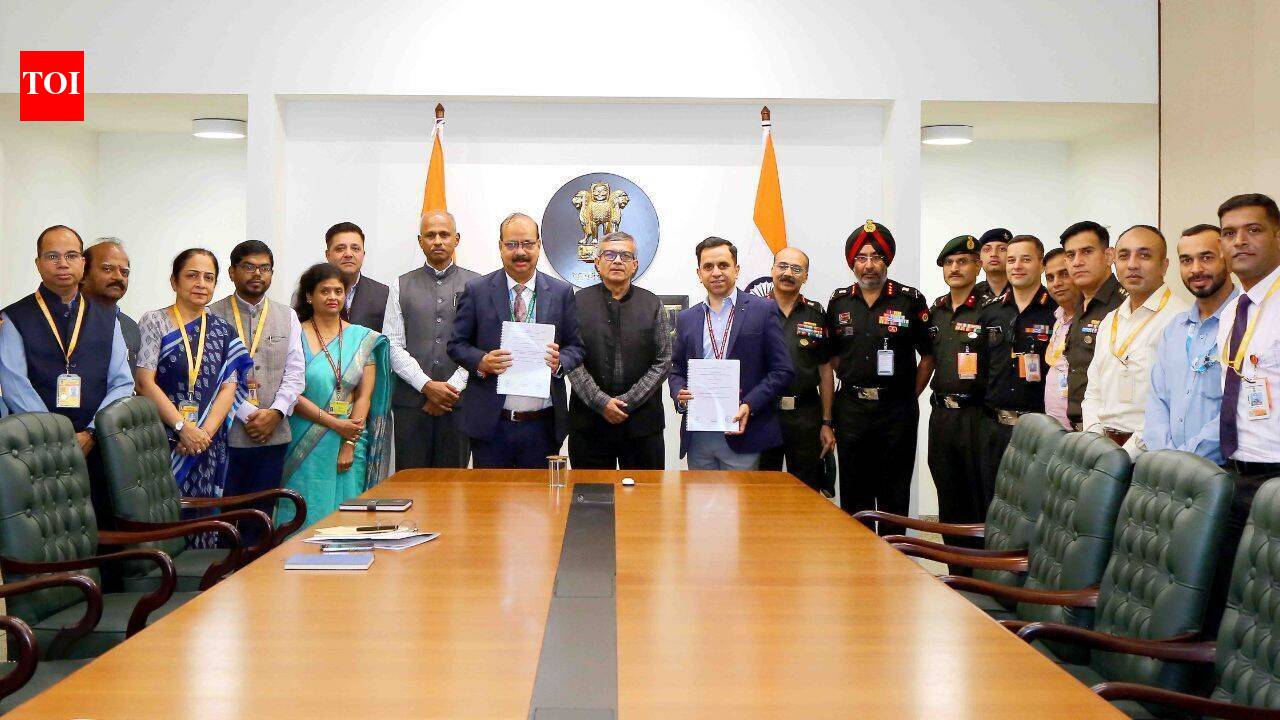
This procurement aims to significantly enhance the Indian Army's capabilities in detecting and tracking a range of aerial threats, from fighter-sized aircraft to mini and micro drones. The deal also underscores India's commitment to bolstering its domestic defence manufacturing sector and achieving greater self-reliance in military technology.
Imagine your army needs super-smart eyes that can spot even tiny toy planes or big fighter jets flying low, especially when bad guys try to sneak them in. India just bought these special radar eyes, called LLLR-I, from an Indian company for about 770 crore rupees to help its soldiers see and stop any sneaky flying objects, keeping everyone safe.
Analysis
The recent contract between the Ministry of Defence and Bharat Electronics Limited (BEL) marks a pivotal step in modernizing India's military capabilities, particularly in the realm of air defence. The agreement, valued at Rs 770 crore, focuses on equipping the Indian Army with advanced radar systems designed to counter a spectrum of aerial threats. This strategic move reflects a broader understanding within India's defence establishment regarding the changing nature of warfare, where low-level and unmanned aerial systems are increasingly prevalent and pose significant challenges to traditional air defence mechanisms.
Bharat Electronics Limited
Bharat Electronics Limited (BEL), a public sector undertaking, is at the forefront of India's indigenous defence manufacturing efforts. This contract reinforces BEL's role as a key player in providing cutting-edge technology to the Indian armed forces, aligning with the government's 'Make in India' initiative. The deal not only secures critical equipment for the Army but also injects substantial capital into the domestic defence industry, fostering growth and technological advancement within the country.
BEL's involvement in such high-value contracts is instrumental in building a robust defence industrial base, reducing reliance on foreign imports, and creating employment opportunities. The ministry explicitly highlighted the potential benefits for India's defence industry, including micro, small, and medium enterprises (MSMEs), which are often integrated into the supply chain for larger projects. This collaborative approach strengthens the entire ecosystem of defence production.
Improved Low Level Light Weight Radars
The core of this procurement is the Improved Low Level Light Weight Radars (LLLR-I), which are designed with enhanced capabilities crucial for contemporary battlefields. These radars possess the ability to detect and track not only fighter-sized aircraft but also the increasingly common and challenging mini and micro drones. The small size and varied flight profiles of these unmanned aerial systems make them difficult targets for conventional air defence systems, necessitating specialized detection technologies.
Furthermore, the LLLR-I systems include an additional capability to prioritize aerial targets, which is vital for effective threat response in complex scenarios. This feature allows the Army to quickly assess and address the most immediate dangers, improving situational awareness and enabling more effective countermeasures against emerging threats. The deployment of these advanced radars will significantly bolster the Army's ability to protect critical assets and personnel from aerial incursions.
Rs 770 crore
The investment of Rs 770 crore into this defence contract signifies a substantial commitment by the Indian government to upgrade its military infrastructure and promote self-reliance. This financial outlay is not merely for the acquisition of equipment but represents an investment in national security and technological sovereignty. The funds will facilitate the production and deployment of these advanced radar systems, ensuring the Indian Army is better prepared for future conflicts.
This significant financial commitment also serves as a catalyst for research and development within India's defence sector. By investing in indigenous solutions, the government encourages innovation and the development of next-generation technologies, further solidifying India's position as a growing defence manufacturing hub. The contract's value underscores the strategic importance placed on countering drone threats and enhancing overall air defence capabilities.
Key points
- India's Ministry of Defence signed a Rs 770 crore contract with Bharat Electronics Limited (BEL).
- The deal is for Improved Low Level Light Weight Radars (LLLR-I) for the Indian Army.
- These radars can detect and track fighter-sized aircraft as well as mini and micro drones.
- The LLLR-I systems have the capability to prioritize aerial targets, enhancing situational awareness.
- The procurement supports India's domestic defence manufacturing and 'Make in India' initiative.
The acquisition of these advanced radars is expected to significantly enhance India's air defence capabilities against evolving drone threats, making its borders and strategic assets more secure. This deal also provides a substantial boost to domestic defence manufacturing, fostering self-reliance and technological growth within the country.
While a positive step, the rapid evolution of drone technology means that continuous upgrades and new solutions will be necessary to maintain an effective defence. There could also be challenges in the timely integration and widespread deployment of these new systems across diverse operational terrains.