Indian billionaire denies U.S. investment pledge influenced DOJ to seek case dismissal
Indian business magnate Gautam Adani denied that his pledge to invest billions of dollars in the U.S. influenced the Justice Department's decision to move to drop the criminal case against him.
Intelligence analysis by Llama
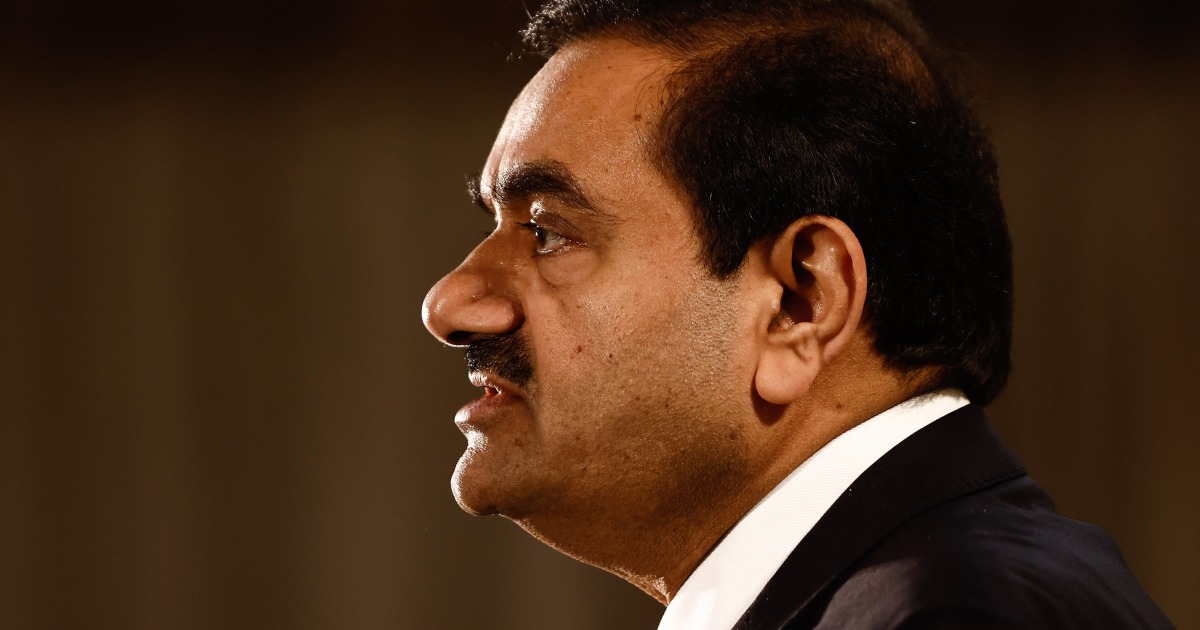
Gautam Adani, chairman of Adani Group, denied that his investment pledge influenced the Justice Department's decision to drop the case against him. Adani was indicted in 2024 for allegedly defrauding U.S. investors and paying off Indian government officials.
Imagine you're accused of doing something wrong, but you have a plan to make it right. You promise to do something good in exchange for not getting in trouble. That's kind of what happened with Gautam Adani, a rich businessman from India. He was accused of doing something bad, but he promised to invest a lot of money in the United States if the government would drop the case against him.
Analysis
A $60B Vote of Confidence
Gautam Adani's pledge to invest $10 billion in the United States has been at the center of the controversy surrounding the Justice Department's decision to drop the case against him. In a sworn statement filed Wednesday, Adani denied seeking a quid pro quo with the Trump administration to avoid prosecution. However, his attorney, Robert J. Giuffra Jr., stated that the decision by prosecutors came after months of extensive communications and meetings with the Justice Department, which included legal and factual analyses and written submissions from experts.
Why Cursor?
The Justice Department's decision to drop the case has been met with skepticism from some lawmakers, who have questioned the 'reportedly 'transactional nature'' of the decision. Democratic Sens. Elizabeth Warren and Richard Blumenthal have asked acting Attorney General Todd Blanche about the decision, citing concerns that the case was dropped in exchange for Adani's investment pledge.
The Road Ahead
The court papers to drop the case were signed by Trent McCotter, the principal associate attorney general, as well as Joseph Nocella, the U.S. attorney for Brooklyn. However, the signatures of line prosecutors assigned to the case were not included, which has raised further questions about the decision-making process behind the case's dismissal.
Key points
- Gautam Adani denied that his investment pledge influenced the Justice Department's decision to drop the case against him.
- Adani's attorney stated that the decision by prosecutors came after months of extensive communications and meetings with the Justice Department.
- The court papers to drop the case were signed by Trent McCotter and Joseph Nocella, but did not include signatures from line prosecutors.
If the Justice Department's decision to drop the case against Adani is upheld, it could set a precedent for other cases where defendants offer to make amends in exchange for leniency. This could lead to more efficient and cost-effective ways of resolving disputes, and potentially even reduce the number of cases that go to trial.
On the other hand, if the decision to drop the case is seen as a quid pro quo, it could undermine the integrity of the justice system and create a perception that the wealthy and powerful can buy their way out of trouble. This could lead to a loss of public trust in the government and the courts.