Iran defiant on strait as Trump tells Americans to accept high gas prices
Iran's Deputy Foreign Minister Kazem Gharibabadi said the Strait of Hormuz cannot be seized by a tweet or an aircraft carrier, while President Donald Trump urged Americans to accept slightly higher gasoline prices during the conflict with Iran.
Intelligence analysis by Llama
Iran's Deputy Foreign Minister Kazem Gharibabadi said the Strait of Hormuz cannot be seized by a tweet or an aircraft carrier, while President Donald Trump urged Americans to accept slightly higher gasoline prices during the conflict with Iran.
Imagine you're playing a game of chess, and you're trying to control a critical piece on the board. That's what Iran is trying to do with the Strait of Hormuz. They're trying to control the flow of oil through the strait, which is a very important waterway. The US is trying to stop them, but it's a tricky situation because both sides are trying to outmaneuver each other. It's like a game of cat and mouse, where both sides are trying to gain the upper hand.
Analysis
Iran's Blockade Strategy: A Strategic Move or a Tactical Bluff?
Iran's Deputy Foreign Minister Kazem Gharibabadi's statement that the Strait of Hormuz cannot be seized by a tweet or an aircraft carrier highlights the country's strategic approach to the conflict. By enforcing a blockade on the strait, Iran aims to exert pressure on the US and its allies to negotiate a favorable deal. This move is a calculated risk, as it could lead to increased tensions and potential military escalation. However, Iran's leadership may believe that the benefits of maintaining control over the strait outweigh the risks, given the significant economic and strategic importance of the waterway.
The Impact of the Conflict on Global Oil Prices
The conflict between the US and Iran has already had a significant impact on global oil prices. The average US price of a gallon of gasoline was about $4.08 on Friday, up 29% from $3.16 a year earlier. This increase in fuel prices is a direct result of the conflict, as the Strait of Hormuz is a critical chokepoint for global oil trade. The disruption to oil shipments through the strait has led to increased costs for consumers and businesses, exacerbating the economic burden of the conflict.
The Role of the US in the Conflict
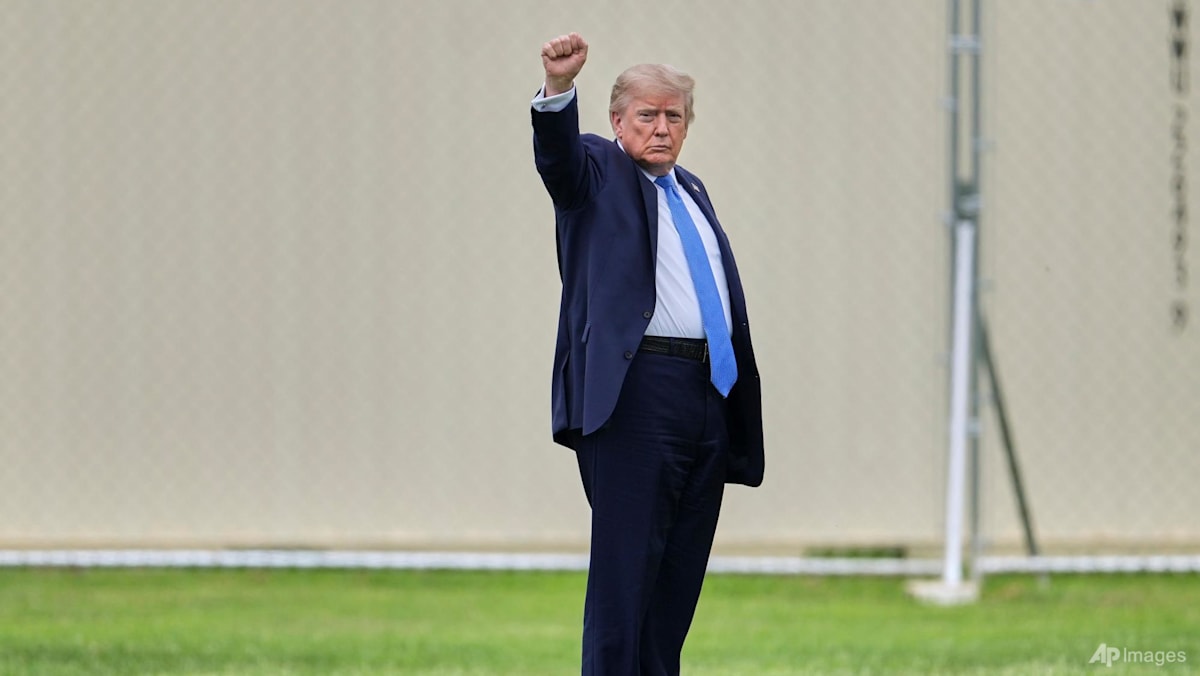
President Donald Trump's statement that paying 'a tiny little bit more for your gasoline' is worth the cost of ensuring 'a very evil country' could not have a nuclear weapon highlights the US's stance on the conflict. The US has been a key player in the conflict, providing military support to its allies and imposing economic sanctions on Iran. However, the US's approach has been criticized for being overly aggressive and lacking a clear strategy for resolving the conflict. The US's continued involvement in the conflict is likely to have significant implications for global oil prices and trade through the Strait of Hormuz.
Key points
- Iran's Deputy Foreign Minister Kazem Gharibabadi said the Strait of Hormuz cannot be seized by a tweet or an aircraft carrier.
- President Donald Trump urged Americans to accept slightly higher gasoline prices during the conflict with Iran.
- The conflict between the US and Iran has significant implications for global oil prices and trade through the Strait of Hormuz.
- Iran's blockade of the Strait of Hormuz is a calculated risk that could lead to increased tensions and potential military escalation.
- The conflict has already had a significant impact on global oil prices, with the average US price of a gallon of gasoline up 29% from last year.
If the conflict between the US and Iran can be resolved through diplomatic means, it could lead to a significant decrease in global oil prices and an increase in trade through the Strait of Hormuz. This could have a positive impact on the global economy, as lower oil prices would reduce the burden on consumers and businesses.
If the conflict between the US and Iran escalates, it could lead to a significant increase in global oil prices and a disruption to trade through the Strait of Hormuz. This could have a negative impact on the global economy, as higher oil prices would increase the burden on consumers and businesses.