Iran Executes Protester Who Ran Over Police Officers
Iran has executed a protester who ran over police officers in December 2023. The man, identified as Sharam Sadeghi, was convicted of "acting against national security" and "collaborating with the US and Israel".
Intelligence analysis by Llama
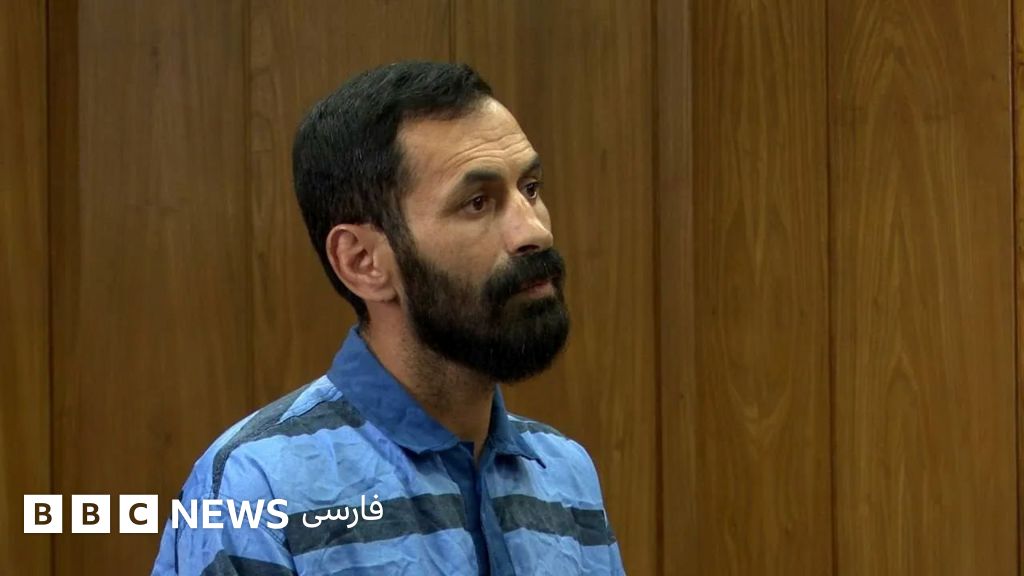
Iran has executed a protester who ran over police officers in December 2023. The man, identified as Sharam Sadeghi, was convicted of "acting against national security" and "collaborating with the US and Israel". This execution is part of a larger trend of increased executions in Iran since the start of the war with the US and Israel.
Iran has executed a man who ran over police officers during a protest in December 2023. This is part of a larger trend of increased executions in Iran since the start of the war with the US and Israel. The government is using the death penalty to suppress dissent and maintain control.
Analysis
Death Penalty as a Tool of Suppression
The execution of Sharam Sadeghi is a stark reminder of the Iranian government's willingness to use the death penalty as a tool to suppress dissent and maintain control. Since the start of the war with the US and Israel, the number of executions in Iran has increased significantly, with many of those executed being protesters and activists.
This trend is deeply concerning, as it suggests that the government is using the death penalty as a means to intimidate and silence its critics. The execution of Sharam Sadeghi is a clear example of this, as he was convicted of "acting against national security" and "collaborating with the US and Israel" - charges that are often used to justify the execution of protesters and activists.
The Role of the Judiciary
The judiciary in Iran has played a significant role in the execution of Sharam Sadeghi. The Supreme Court of Iran has upheld the death sentence, and the execution was carried out by the authorities. This highlights the lack of independence of the judiciary in Iran, as it is often seen as an extension of the executive branch.
International Condemnation
The execution of Sharam Sadeghi has been widely condemned by human rights organizations and international bodies. The UN Special Rapporteur on Iran, Javaad Zarif, has expressed concern over the increasing number of executions in Iran and the lack of transparency in the judicial process.
Conclusion
The execution of Sharam Sadeghi is a tragic reminder of the Iranian government's willingness to use the death penalty as a tool to suppress dissent and maintain control. It highlights the need for greater international pressure on the government to reform its human rights record and ensure that the judiciary is independent and impartial.
Key points
- Iran has executed a protester who ran over police officers in December 2023.
- The man, identified as Sharam Sadeghi, was convicted of "acting against national security" and "collaborating with the US and Israel".
- The execution is part of a larger trend of increased executions in Iran since the start of the war with the US and Israel.
- The government is using the death penalty to suppress dissent and maintain control.
- The international community may put pressure on the Iranian government to reform its human rights record and ensure that the judiciary is independent and impartial.
The international community may put pressure on the Iranian government to reform its human rights record and ensure that the judiciary is independent and impartial. This could lead to a reduction in the number of executions in Iran and a greater respect for human rights.
The Iranian government may continue to use the death penalty as a tool to suppress dissent and maintain control. This could lead to further human rights abuses and a worsening of the human rights situation in Iran.