Iran threatens to hit Gulf states if US launches new strikes
Iran has warned Gulf states that any new US attack on its territory would trigger retaliation against critical energy infrastructure across the region.
Intelligence analysis by Llama
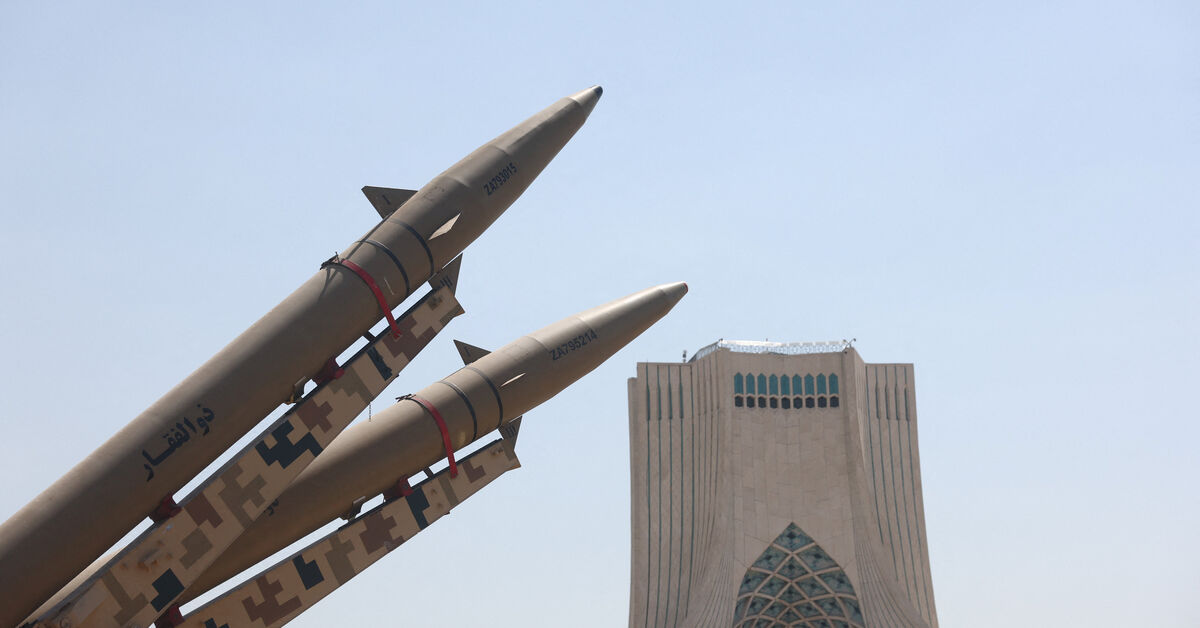
Iran has threatened to retaliate against Gulf states' energy infrastructure if the US launches new strikes on its territory, in an attempt to raise the cost of military action.
Imagine you're playing a game of chess, and you're trying to protect your king. Iran is like the king, and the US is like the opponent trying to capture it. Iran is warning its friends in the Gulf that if the US tries to attack it, Iran will retaliate by hurting their energy infrastructure, which is like their food supply. This is a way for Iran to say, 'Hey, if you attack me, you'll hurt your friends too, and that's not a good idea.'
Analysis
A $60B Vote of Confidence
Iran's warning to Gulf states is a calculated move to raise the cost of military action against its territory. By threatening to retaliate against energy infrastructure, Tehran is seeking to convince both Washington and its Arab partners that another attack on Iran would carry unacceptable economic and strategic consequences. This approach is not new; Iran has in the past used the threat of wider regional destruction as leverage against further US strikes. The current situation, however, is more complex, with the US and Iran engaged in a high-stakes game of cat and mouse. The US has been seeking to pressure Iran into negotiations, while Tehran has been trying to avoid a military confrontation. The warning to Gulf states is a reflection of this delicate balance. Iran's clerical leadership has repeatedly demanded the closure of US military bases in the Gulf and called on Gulf Arab states to stop sharing intelligence with Washington. The warning made clear that any new US strike would be met with attacks on energy facilities, refineries, electricity grids, water infrastructure, transport networks, and oil fields across the Gulf. The enemy continues to threaten Iranian infrastructure, and if Iran suffers damage, it will inflict far greater damage in return, according to one Iranian official. They still remember Saudi Arabia's Aramco, he added, referring to the September 2019 drone and missile attacks on the Abqaiq and Khurais facilities that temporarily knocked out more than half the kingdom's crude oil production and exposed the vulnerability of Gulf energy infrastructure. By threatening infrastructure critical to Gulf economies, Tehran is seeking to convince both Washington and its Arab partners that another attack on Iran would carry unacceptable economic and strategic consequences, encouraging regional states to press Trump to avoid renewed military action. From Tehran's perspective, Trump now faces two unpalatable choices: escalate a conflict that could engulf the Gulf and disrupt global energy supplies, or accept a negotiated outcome that falls short of the decisive victory Washington seeks. One of the principal obstacles to an agreement is Washington's reluctance to allow Tehran to emerge claiming victory. The United States wants something it can present as proof that it won the war, the senior regional diplomat said. The current situation is a reflection of the complex and delicate balance between the US and Iran, with both sides engaged in a high-stakes game of cat and mouse.
Key points
- Iran has warned Gulf states that any new US attack on its territory would trigger retaliation against critical energy infrastructure across the region.
- The warning was delivered through a flurry of high-level diplomatic contacts after President Donald Trump threatened on July 28 to strike Iran's energy network and infrastructure.
- Iran's clerical leadership has repeatedly demanded the closure of US military bases in the Gulf and called on Gulf Arab states to stop sharing intelligence with Washington.
- The warning made clear that any new US strike would be met with attacks on energy facilities, refineries, electricity grids, water infrastructure, transport networks, and oil fields across the Gulf.
The warning by Iran could lead to a diplomatic solution, where the US and Iran engage in talks to avoid further escalation and destruction across the region. This could result in a negotiated outcome that falls short of the decisive victory Washington seeks, but still allows for a peaceful resolution.
The warning by Iran could lead to a wider regional conflict, where the US and Iran engage in a prolonged and destructive war that disrupts global energy supplies and economies. This could result in significant human suffering, economic losses, and long-term instability in the region.