Iran threatens to strike other nations' energy fields if US launches fresh attacks
Iran warned against any 'adventurous action' by the US and said it would retaliate decisively if American forces follow through on President Donald Trump's threats of fresh attacks on Iranian targets.
Intelligence analysis by Llama
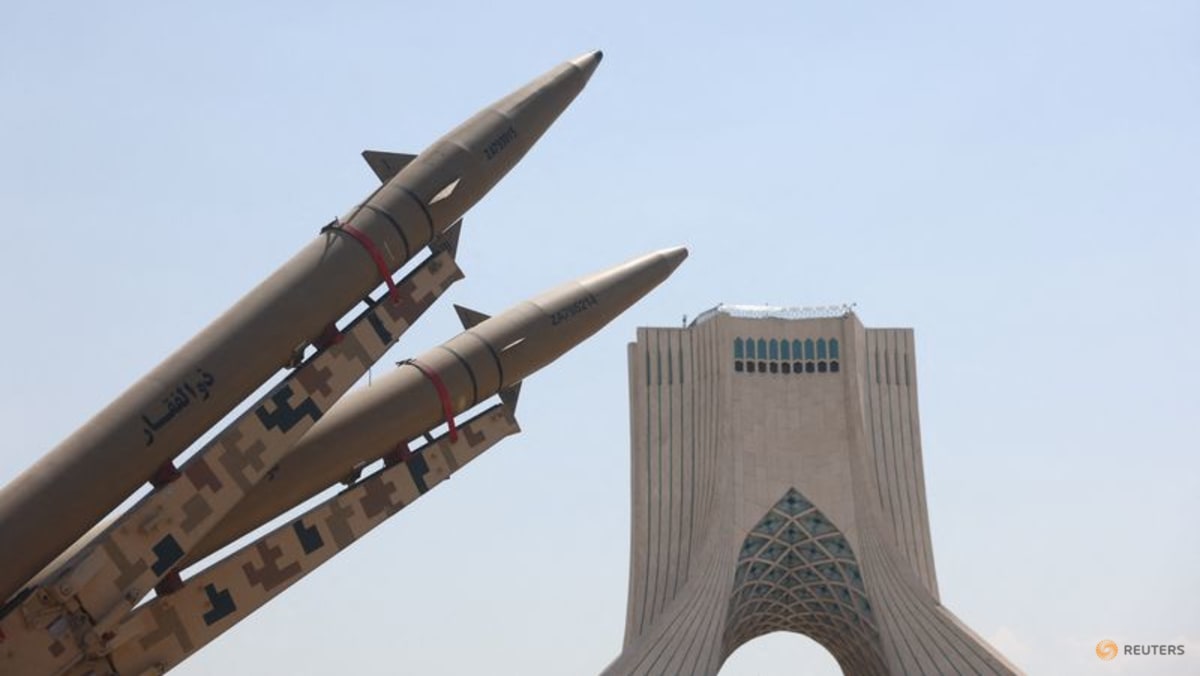
Iran threatens to strike other nations' energy fields if US launches fresh attacks, warning of a 'proportionate response' to any 'aggression'.
Imagine you're playing a game of chess, and your opponent makes a move that threatens to knock over your whole board. That's kind of like what's happening with Iran and the US. Iran is threatening to attack other countries' oil fields if the US makes any more moves against them. This is a big deal because it could affect the whole world's energy supply.
Analysis
Iran's Threats and the Global Energy Market
Iran's warning against US 'adventurous action' and its threat to retaliate decisively if American forces follow through on President Donald Trump's threats of fresh attacks on Iranian targets has sent shockwaves through the global energy market. The threat of Iranian strikes on oil fields in Saudi Arabia and the UAE, as well as the gas fields of Qatar and Israel, has significant implications for the global energy market and the world economy.
The Strait of Hormuz, an important conduit for global energy supplies, has been a major concern for the energy industry since the start of the conflict. The risk of Iranian attacks has deterred most shipping through the strait, sending shockwaves through the world economy. The recent threat of Iranian strikes on oil fields in Saudi Arabia and the UAE, as well as the gas fields of Qatar and Israel, has further exacerbated the situation.
The global energy market is already under significant pressure due to the ongoing conflict between the US and Iran. The price of oil has stayed high since the US and Israeli forces started the war with strikes on Iran on February 28. Benchmark Brent crude futures rose 24 per cent in July, and analysts polled by Reuters expect prices to rise further this year.
The economic pain has put political pressure on President Trump to find a way to end the war. However, the threat of Iranian strikes on oil fields in Saudi Arabia and the UAE, as well as the gas fields of Qatar and Israel, has made it increasingly difficult for the US to find a way out of the conflict.
The Consequences of Destabilising Actions
Iran's threat to retaliate decisively if American forces follow through on President Donald Trump's threats of fresh attacks on Iranian targets has significant implications for the region. The threat of Iranian strikes on oil fields in Saudi Arabia and the UAE, as well as the gas fields of Qatar and Israel, has the potential to destabilise the entire region.
The recent threat of Iranian strikes on oil fields in Saudi Arabia and the UAE, as well as the gas fields of Qatar and Israel, has further exacerbated the situation. The global energy market is already under significant pressure due to the ongoing conflict between the US and Iran, and the threat of Iranian strikes on oil fields in Saudi Arabia and the UAE, as well as the gas fields of Qatar and Israel, has made it increasingly difficult for the US to find a way out of the conflict.
The Road Ahead
The threat of Iranian strikes on oil fields in Saudi Arabia and the UAE, as well as the gas fields of Qatar and Israel, has significant implications for the global energy market and the world economy. The global energy market is already under significant pressure due to the ongoing conflict between the US and Iran, and the threat of Iranian strikes on oil fields in Saudi Arabia and the UAE, as well as the gas fields of Qatar and Israel, has made it increasingly difficult for the US to find a way out of the conflict.
The recent threat of Iranian strikes on oil fields in Saudi Arabia and the UAE, as well as the gas fields of Qatar and Israel, has further exacerbated the situation. The global energy market is already under significant pressure due to the ongoing conflict between the US and Iran, and the threat of Iranian strikes on oil fields in Saudi Arabia and the UAE, as well as the gas fields of Qatar and Israel, has made it increasingly difficult for the US to find a way out of the conflict.
Key points
- Iran has threatened to strike other nations' energy fields if the US launches fresh attacks.
- The threat of Iranian strikes on oil fields in Saudi Arabia and the UAE, as well as the gas fields of Qatar and Israel, has significant implications for the global energy market and the world economy.
- The global energy market is already under significant pressure due to the ongoing conflict between the US and Iran.
- The threat of Iranian strikes on oil fields in Saudi Arabia and the UAE, as well as the gas fields of Qatar and Israel, has made it increasingly difficult for the US to find a way out of the conflict.
If the US and Iran can find a way to resolve their differences peacefully, it could lead to a significant reduction in tensions and a more stable global energy market. This could also lead to increased cooperation between the two countries on issues like trade and security.
If the US and Iran continue to escalate their conflict, it could lead to a significant increase in tensions and a more unstable global energy market. This could also lead to increased violence and instability in the region, which could have far-reaching consequences for the world economy.