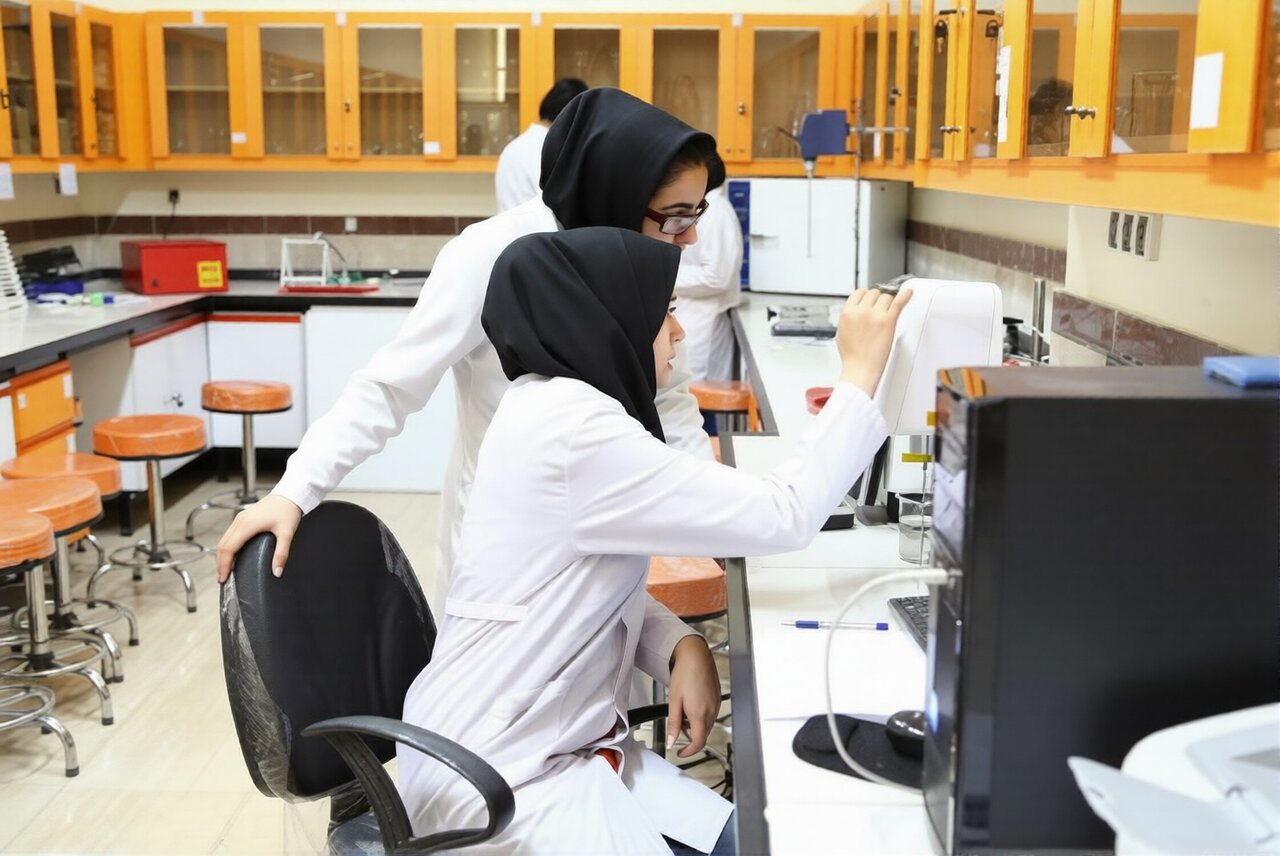
Iranian, Ivorian ICT ministers discuss ways to boost ties
Iranian and Ivorian ICT ministers, Sattar Hashemi and Djibril Ouattara, met in Doha to explore expanding cooperation in the ICT sector, including AI, fiber optics, and cybersecurity.
Intelligence analysis by Gemini 2.5 Flash
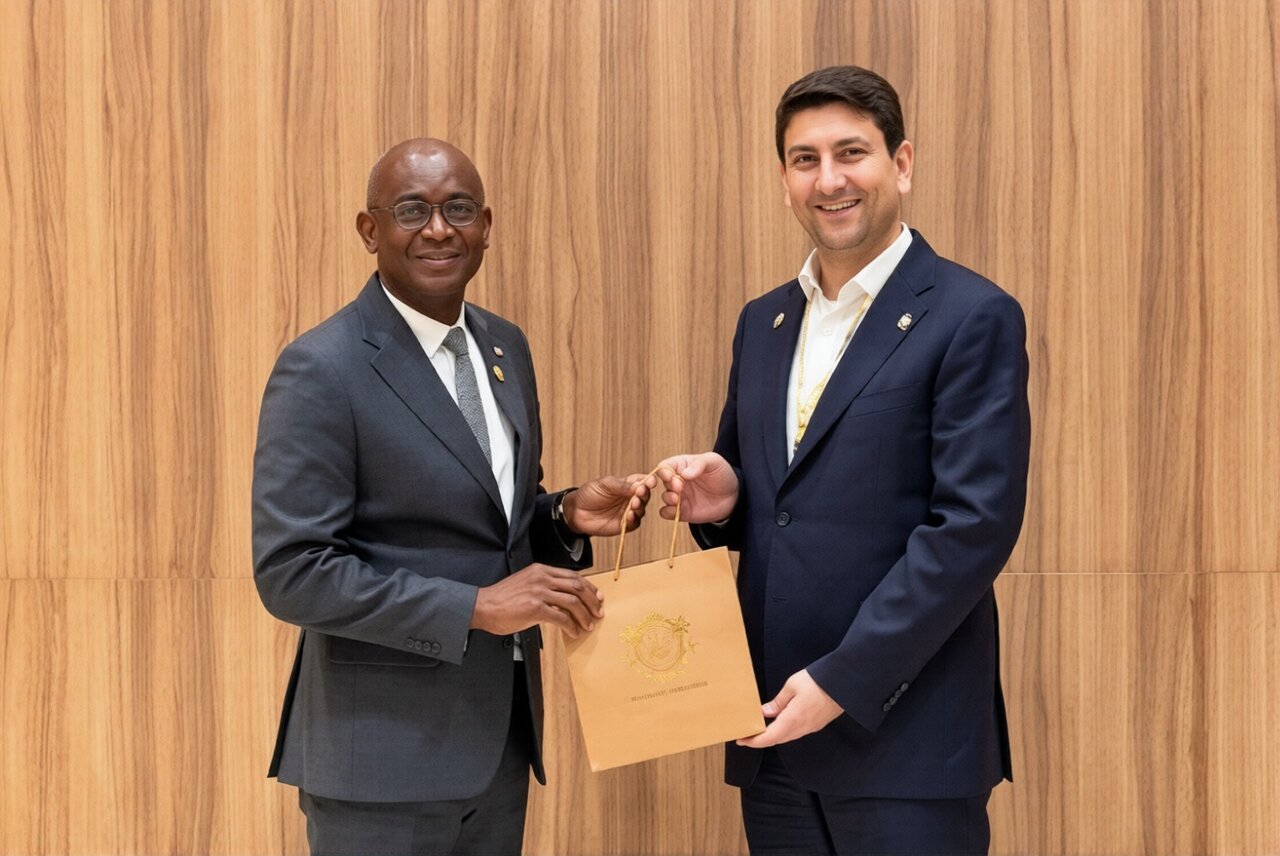
The meeting between Iran and Ivory Coast's ICT ministers aimed to strengthen technological partnerships, with Iran offering its expertise in digital infrastructure development and cyber defense. Both nations expressed commitment to creating a strategic roadmap for collaboration, signaling a mutual desire for digital transformation.
Imagine Iran and Ivory Coast are like two friends who want to build cool new digital playgrounds together. Iran, which has learned a lot about making super-smart computer programs and connecting homes with super-fast internet, offered to share its ideas and tools with Ivory Coast. Ivory Coast's minister said, "Yes, please!" and they agreed to plan how to work together to make their digital worlds better and safer from bad guys.
Analysis
Doha Conference
The recent meeting between Iranian and Ivorian ICT ministers occurred on the sidelines of the International Telecommunication Union (ITU) Plenipotentiary Conference (PP-26) in Doha, Qatar. This global event, held every four years, serves as the ITU's principal governing body, setting strategic and financial plans, defining leadership, and affirming common positions among its 194 Member States. The conference's theme, "Together for a connected digital future," underscores its focus on addressing pressing digital opportunities and challenges worldwide.
Iran's delegation, led by ICT Minister Sattar Hashemi, attended PP-26 with the explicit aim of bolstering technology diplomacy and fostering bilateral and multilateral collaborations. Their participation is crucial for pursuing Iran's interests in the global governance of information and communication technologies. Such platforms provide vital opportunities for Iran to engage with counterparts, explore cooperation in advanced technologies, and expand its digital economy footprint, especially with countries seeking technological partnerships outside traditional Western spheres.
Iranian Proposals
During the discussions, Iranian ICT Minister Sattar Hashemi outlined several key areas for potential cooperation, emphasizing Iran's readiness to share its expertise. He highlighted the country's scientific and academic capacities, proposing collaborations in developing and expanding ICT infrastructures, particularly in artificial intelligence and the joint implementation of fiber-optic projects. Hashemi also suggested signing a memorandum of understanding to formalize these partnerships.
A significant aspect of Iran's proposition was the necessity of establishing a clear, strategic roadmap to operationalize technological cooperation between the two sides. Furthermore, recognizing the growing importance of digital security, Hashemi stressed the need for exchanging experiences and solutions to counter cyberattacks. These proposals collectively demonstrate Iran's comprehensive approach to fostering long-term, structured technological alliances with African partners.
Ivorian Response
Ivorian Minister of Digital Transition and Technological Innovation Djibril Ouattara expressed a strong interest in enhancing collaborative efforts in the ICT field. He acknowledged the significance of the proposed initiatives and indicated that the Ivorian ambassador to Tehran would be responsible for following up on the agreements reached during the meeting. This commitment signals a serious intent from the Ivorian side to advance the discussions into concrete actions.
Ouattara also welcomed Iran's proposal to host an Ivorian specialized delegation, noting that such a visit would facilitate a deeper focus on specific details and the development of joint initiatives in digital technologies. This reciprocal engagement is crucial for translating high-level discussions into practical projects. The positive reception from Ivory Coast underscores the potential for meaningful South-South cooperation in the digital domain, aligning with both nations' strategic interests in technological advancement and economic diversification.
Key points
- Iranian and Ivorian ICT ministers met at the ITU Plenipotentiary Conference in Doha.
- Iran offered expertise in AI, fiber optics, and cybersecurity infrastructure development.
- Iran proposed signing an MoU and establishing a strategic roadmap for cooperation.
- Ivory Coast welcomed the proposals and plans for its ambassador to follow up.
- The meeting aims to boost technology diplomacy and bilateral collaborations.
If these discussions lead to concrete agreements, Iran could significantly expand its technological influence and economic ties in Africa, opening new markets for its ICT expertise. Ivory Coast, in turn, stands to gain from advanced digital infrastructure, cybersecurity solutions, and AI development, accelerating its digital transformation and improving public services.
Despite the positive talks, the actual implementation of these ambitious projects could face challenges such as funding limitations, bureaucratic hurdles, or geopolitical complexities. A lack of a clear, actionable strategic roadmap or insufficient follow-up from either side could slow down or even derail the proposed collaborations.