Iran's Revolutionary Guard Announces Closure of Strait of Hormuz 'Until Further Notice'
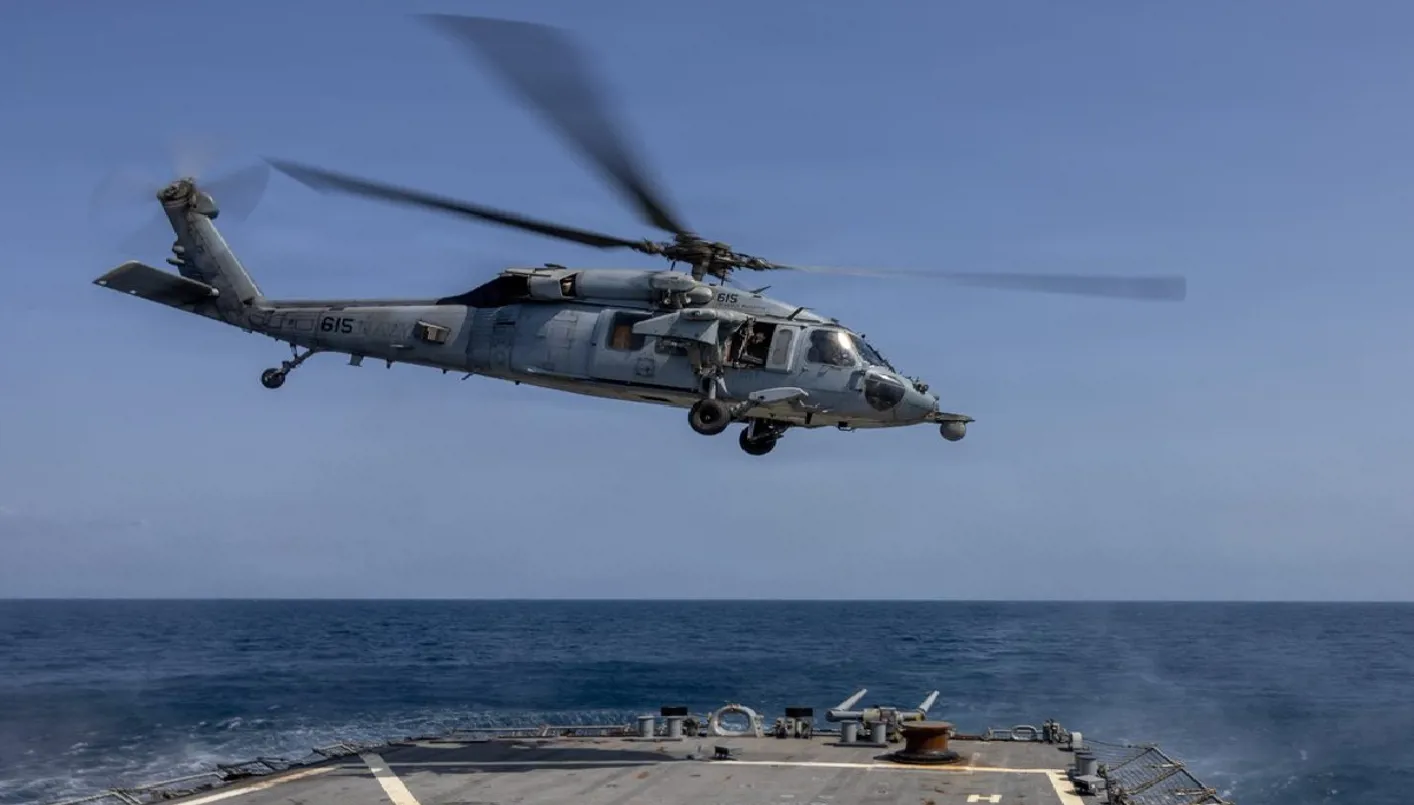
Iran's Revolutionary Guard has announced the closure of the Strait of Hormuz, citing a US ship's attempt to pass through the waterway without permission. The move comes as tensions between Iran and the US remain high, with the two countries engaged in indirect talks in Sw…
Intelligence analysis by Llama
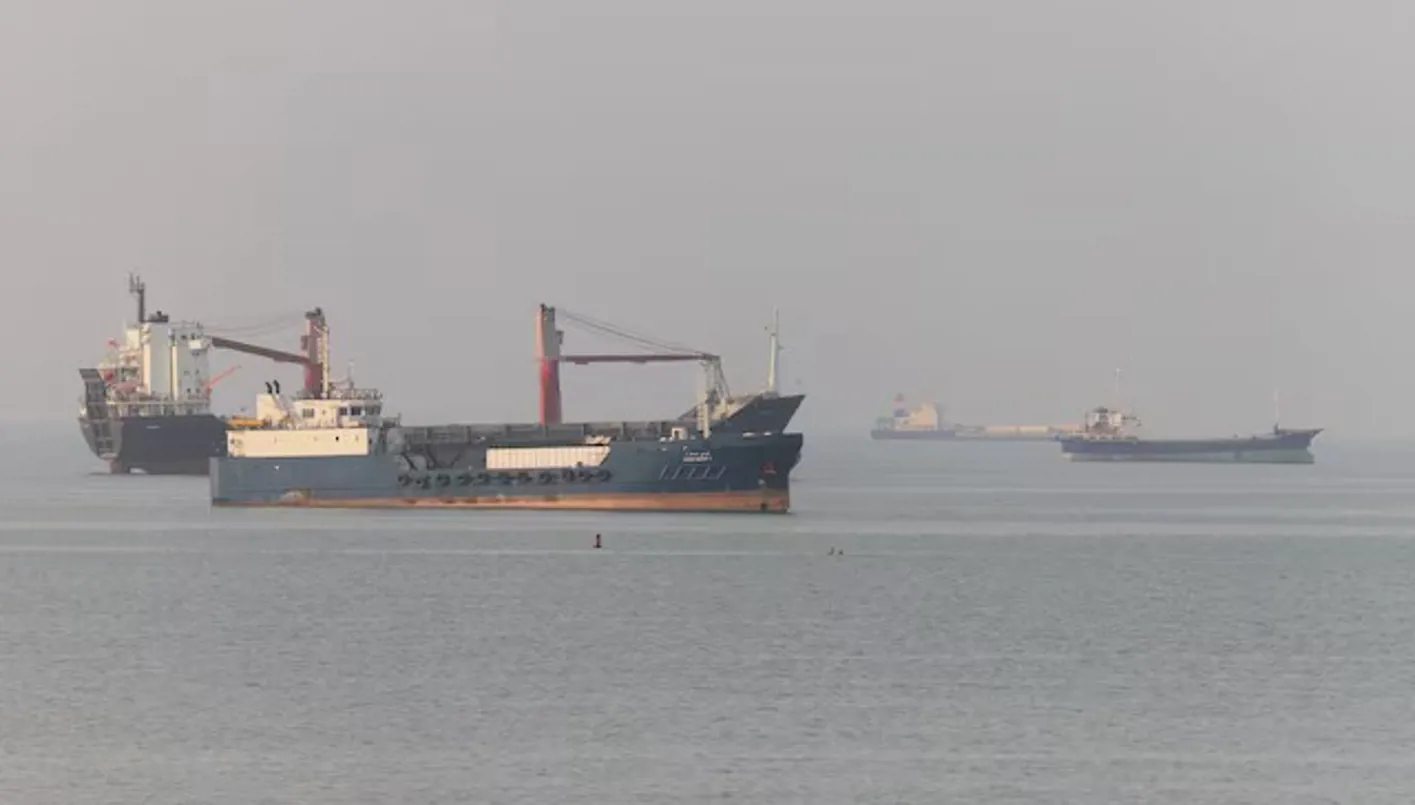
Iran's Revolutionary Guard has closed the Strait of Hormuz, citing a US ship's attempt to pass through the waterway without permission. The move is seen as a response to ongoing tensions between Iran and the US, with the two countries engaged in indirect talks in Switzerland.
Imagine a big waterway that lots of ships use to get oil from one place to another. Iran's Revolutionary Guard just closed this waterway, which means no ships can go through it. This is a big deal because it can affect how much oil gets to other countries, and that can affect the price of oil. It's like a big traffic jam, but for oil.
Analysis
A $60B Vote of Confidence
The closure of the Strait of Hormuz by Iran's Revolutionary Guard is a significant development in the ongoing tensions between Iran and the US. The move is seen as a response to the US ship's attempt to pass through the waterway without permission, and it has significant implications for global oil supplies and trade.
The Strait of Hormuz is a critical shipping route, and any disruption to it can have far-reaching consequences for the global economy. The waterway is responsible for the transportation of over 20% of the world's oil supply, and any closure would have a significant impact on global oil prices.
The move by Iran's Revolutionary Guard is seen as a bold statement by the country, and it has significant implications for the ongoing talks between Iran and the US. The two countries have been engaged in indirect talks in Switzerland, and the closure of the Strait of Hormuz is seen as a response to the ongoing tensions between the two countries.
Why Cursor?
The closure of the Strait of Hormuz has significant implications for the global economy, and it is a critical development in the ongoing tensions between Iran and the US. The move by Iran's Revolutionary Guard is seen as a bold statement by the country, and it has significant implications for the ongoing talks between Iran and the US.
The closure of the Strait of Hormuz is a significant development in the ongoing tensions between Iran and the US, and it has significant implications for global oil supplies and trade. The waterway is a critical shipping route, and any disruption to it can have far-reaching consequences for the global economy.
The Road Ahead
The closure of the Strait of Hormuz has significant implications for the global economy, and it is a critical development in the ongoing tensions between Iran and the US. The move by Iran's Revolutionary Guard is seen as a bold statement by the country, and it has significant implications for the ongoing talks between Iran and the US.
The two countries have been engaged in indirect talks in Switzerland, and the closure of the Strait of Hormuz is seen as a response to the ongoing tensions between the two countries. The move by Iran's Revolutionary Guard is seen as a significant development in the ongoing tensions between Iran and the US, and it has significant implications for global oil supplies and trade.
Key points
- Iran's Revolutionary Guard has closed the Strait of Hormuz, citing a US ship's attempt to pass through the waterway without permission.
- The move is seen as a response to ongoing tensions between Iran and the US, with the two countries engaged in indirect talks in Switzerland.
- The closure of the Strait of Hormuz has significant implications for global oil supplies and trade.
- The waterway is responsible for the transportation of over 20% of the world's oil supply, and any disruption would have a significant impact on global oil prices.
If the situation is resolved peacefully, it could lead to a new era of cooperation between Iran and the US, which could have positive implications for the global economy.
If the situation escalates, it could lead to a significant disruption in global oil supplies, which could have far-reaching consequences for the global economy.