Is there a pending AI ‘debt bomb’ crisis? No. This isn’t Enron 2.0
Experts warn of a looming ‘debt bomb’ crisis due to big datacenter builders not recognizing long-term debt obligations on their balance sheets. Gene Marks argues that the risks are different and recoverable, and that the disclosures required by companies are significant.
Intelligence analysis by Llama
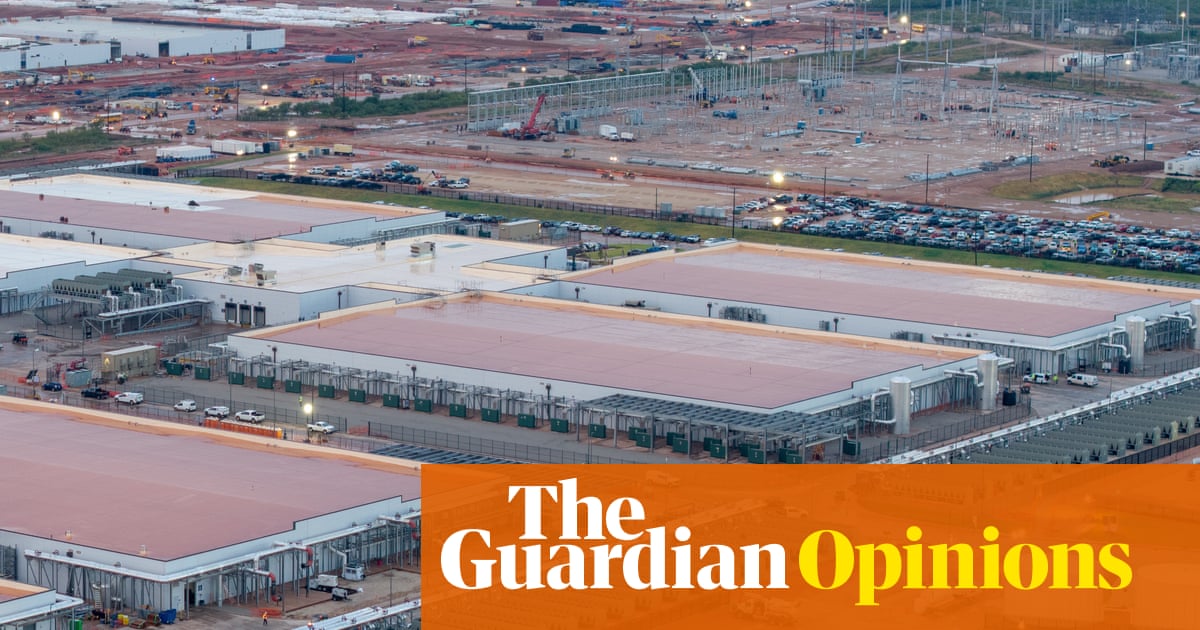
Gene Marks argues that the risks of a debt crisis in the datacenter industry are different and recoverable, and that the disclosures required by companies are significant.
Imagine you're building a big factory to make computers. You need a lot of money to build it, so you create a special company that borrows the money and builds the factory. The main company that wants the factory doesn't have to show the debt on its balance sheet. This is like a big game of financial engineering, but it's not a debt bomb. The risks are different and recoverable, and the disclosures required by companies are significant.
Analysis
The Risks Are Different and Recoverable
The article discusses the potential risks of a debt crisis in the datacenter industry due to big datacenter builders not recognizing long-term debt obligations on their balance sheets. However, Gene Marks argues that the risks are different and recoverable, and that the disclosures required by companies are significant. He points out that the accounting has evolved, and that the economic idea has stayed the same – no debt was shown on Centocor’s balance sheet. The good news is that the accounting has evolved, although the economic idea has stayed the same – no debt was shown on Centocor’s balance sheet.
The Scrutiny is Intense
The public is smarter, and the investing public is more aware of these financing vehicles. The disclosures required by companies doing this are significant, and the scrutiny is intense. This is a far cry from the 1980s and early 1990s when hundreds of millions of dollars were plowed into these partnerships without proper disclosure.
The Market Need for Datacenters
Unlike the drug companies hoping for success, there’s a legitimate market need today for datacenters. AI isn’t going away, and Microsoft estimates that only 17.8% of the world’s working-age population currently uses generative AI. If that’s anywhere near correct, we’re still much closer to the beginning of adoption than the end. Some of these investments will fail, but that’s exactly why these financing structures exist: to spread enormous capital requirements and risk among investors willing to take it.
Key points
- Experts warn of a looming ‘debt bomb’ crisis due to big datacenter builders not recognizing long-term debt obligations on their balance sheets.
- Gene Marks argues that the risks are different and recoverable, and that the disclosures required by companies are significant.
- The datacenter industry is likely to continue growing, and the demand for computing capacity remains strong.
- Some of the investments in datacenters will fail, and the companies involved will lose money.
The datacenter industry is likely to continue growing, and the demand for computing capacity remains strong. This means that some of the investments in datacenters will be successful, and the companies involved will be able to recover their costs.
Some of the investments in datacenters will fail, and the companies involved will lose money. This could lead to a glut in the market, and the value of the datacenters could decrease.