Islamabad Set to Become Pakistan’s First Plastic-Free City
Islamabad is planning to become Pakistan's first plastic-free city, aiming to reduce plastic pollution by limiting single-use plastics and promoting reusable alternatives.
Intelligence analysis by Gemini 2.5 Flash
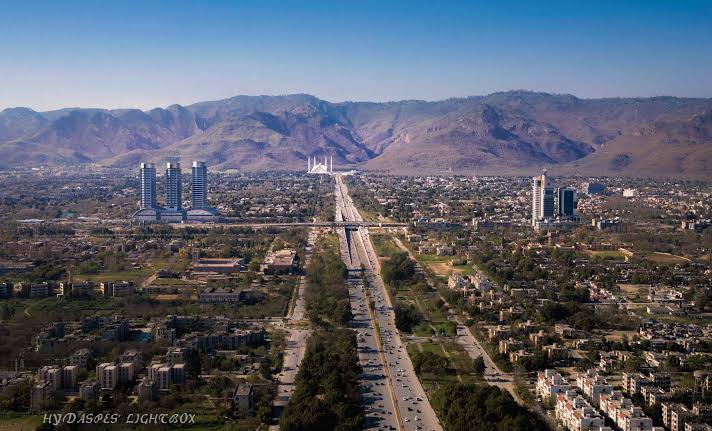
The federal capital of Pakistan, Islamabad, is embarking on an initiative to eliminate plastic waste, focusing on reducing single-use plastic products and encouraging eco-friendly habits. This plan seeks to improve cleanliness, protect water sources, and safeguard wildlife, with its success hinging on public cooperation and effective implementation by local authorities.
Imagine your city is like a giant playground, and plastic bags and bottles are like messy toys left everywhere. Islamabad wants to clean up all those toys so the playground is super neat and healthy for everyone. They're going to ask people to use less plastic and choose things they can use again and again, like reusable bags, so the city stays clean and animals don't get hurt.
Analysis
Islamabad is poised to lead Pakistan's environmental efforts by aiming to become the nation's first plastic-free city. This ambitious plan underscores a growing commitment to sustainability and addresses the pervasive issue of plastic pollution that plagues urban centers globally. The initiative's success is not merely about policy implementation but also about fostering a collective shift in public behavior and commercial practices.
Plastic Pollution
Plastic pollution represents a significant environmental challenge, with discarded plastics frequently obstructing drainage systems, contaminating vital water sources, and endangering wildlife. The proposed measures in Islamabad are designed to mitigate these adverse effects, thereby enhancing overall cleanliness and fostering healthier environmental conditions for its residents. By targeting single-use plastic products, the city hopes to tackle the problem at its source, preventing accumulation and long-term ecological damage.
Reducing plastic use is a multifaceted endeavor that requires a comprehensive approach. The initiative aims to promote reusable alternatives, which could significantly decrease the volume of waste generated in residential areas, commercial markets, public parks, and other shared urban spaces. This shift from disposable to reusable items is critical for creating a sustainable waste management ecosystem within the capital.
Public Awareness Campaigns
The success of Islamabad's plastic-free initiative is heavily reliant on the active participation and cooperation of its citizens, shopkeepers, businesses, and various government departments. Public awareness campaigns are identified as a crucial tool to educate residents about the environmental hazards of plastic and to encourage the adoption of more sustainable habits. These campaigns will play a vital role in shifting societal norms and reducing dependence on plastic bags, packaging, and other disposable items.
Alongside awareness, the availability of affordable and convenient alternatives to plastic products is paramount. If environmentally friendly options are not readily accessible or are cost-prohibitive, public adoption will likely falter. Local authorities are tasked with not only implementing the proposed regulations but also ensuring that the necessary infrastructure and support systems are in place to facilitate this transition, including robust waste management practices that align with the initiative's objectives.
Other Urban Centres
If effectively implemented, Islamabad's journey towards becoming a plastic-free city could serve as a powerful model for other urban centers across Pakistan. The lessons learned and the strategies employed in the capital could be adapted and replicated, leading to a broader national movement against plastic waste. Such widespread adoption would significantly contribute to reducing plastic pollution on a larger scale and promoting responsible consumption patterns throughout the country.
The initiative reflects a broader, evolving focus on environmental protection and sustainable urban development within Pakistan. However, its long-term impact will ultimately depend on consistent efforts, sustained public participation, and the unwavering commitment of local authorities to enforce measures and support the transition away from plastic. The potential for Islamabad to inspire similar efforts in other cities highlights its role as a pioneer in Pakistan's environmental stewardship.
Key points
- Islamabad aims to become Pakistan's first plastic-free city.
- The initiative focuses on reducing single-use plastics and promoting reusable alternatives.
- It seeks to improve cleanliness, protect water sources, and safeguard wildlife.
- Success relies on cooperation from citizens, shopkeepers, businesses, and government departments.
- Public awareness campaigns and affordable alternatives are crucial for encouraging adoption.
If successful, Islamabad's initiative could significantly improve the city's cleanliness and environmental health, setting a powerful example for other Pakistani cities to follow. This could lead to a nationwide reduction in plastic waste and foster a culture of sustainable consumption.
The long-term impact of the initiative is highly dependent on consistent public participation and effective implementation by local authorities. Without sustained effort and widespread cooperation from citizens and businesses, the plan may struggle to achieve its ambitious plastic-free goals.