Israeli strike that killed journalist in Lebanon was war crime, say rights groups
Israeli strike that killed Lebanese journalist Amal Khalil and injured her colleague Zeinab Faraj in April was a war crime, three rights organisations said. Investigations from Human Rights Watch, Amnesty International, and Legal Agenda showed that Israel deliberately and…
Intelligence analysis by Llama
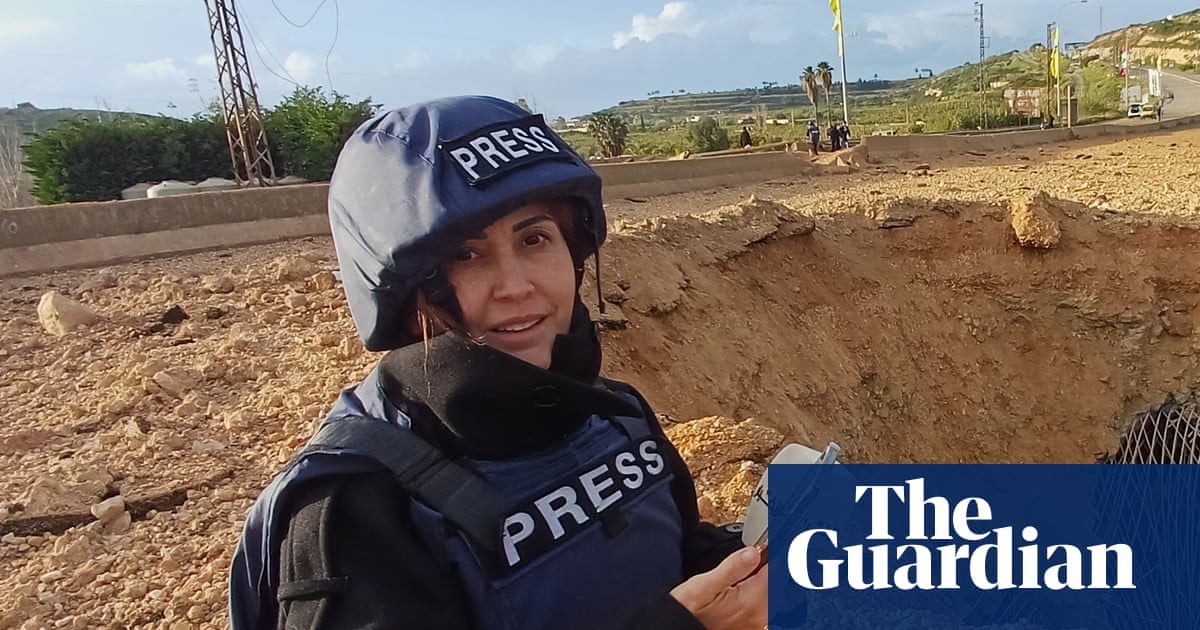
Israeli strike that killed Lebanese journalist Amal Khalil and injured her colleague Zeinab Faraj in April was a war crime, say rights groups. Investigations showed that Israel deliberately and directly attacked Khalil and Faraj, with apparent knowledge that they were civilians.
Imagine you're a journalist in a war zone, trying to report on what's happening. But the military is attacking you and your colleagues, even though you're just trying to do your job. That's what happened to Amal Khalil and Zeinab Faraj, two journalists who were killed by an Israeli strike in Lebanon. It's a war crime, and those responsible must be held accountable.
Analysis
A War Crime in the Making
The Israeli strike that killed Lebanese journalist Amal Khalil and injured her colleague Zeinab Faraj in April was a war crime, say rights groups. Investigations from Human Rights Watch, Amnesty International, and Legal Agenda showed that Israel deliberately and directly attacked Khalil and Faraj, with apparent knowledge that they were civilians.
The evidence is clear that the Israeli military knew, or should have, that Faraj and Khalil were civilians, but attacked them anyway, and then prevented paramedics from rescuing them for hours. This is a clear violation of international humanitarian law, which prohibits attacks on civilians and requires parties to distinguish between civilians and combatants.
The reports also indicated that Israel delayed Lebanese ambulances from reaching Khalil and Faraj for hours – at one point dropping stun grenades on Lebanese Red Cross workers and firing on their ambulances. The delay in rescue might have led to Khalil’s death, as hospital reports indicate that she might have still been alive hours after an Israeli strike toppled a building on top of her and Faraj.
The Israeli military’s actions in this case are a stark reminder of the need for accountability in conflict zones. The killing of civilians, including journalists, is a war crime, and those responsible must be held accountable. The international community must take action to prevent such atrocities from happening in the future.
A Pattern of Violence
The killing of Amal Khalil and Zeinab Faraj is not an isolated incident. Israel has killed at least 15 journalists in Lebanon and 210 in Gaza since 2023, according to the UN human rights office. This is a disturbing pattern of violence against civilians, including journalists, and highlights the need for greater protection and accountability.
The Road Ahead
The investigation into the killing of Amal Khalil and Zeinab Faraj is ongoing, and those responsible must be held accountable. The international community must take action to prevent such atrocities from happening in the future. This includes ensuring that parties to conflict distinguish between civilians and combatants, and that those responsible for war crimes are held accountable.
Key points
- Israeli strike that killed Lebanese journalist Amal Khalil and injured her colleague Zeinab Faraj in April was a war crime, say rights groups.
- Investigations showed that Israel deliberately and directly attacked Khalil and Faraj, with apparent knowledge that they were civilians.
- The delay in rescue might have led to Khalil’s death, as hospital reports indicate that she might have still been alive hours after an Israeli strike toppled a building on top of her and Faraj.
- The Israeli military’s actions in this case are a stark reminder of the need for accountability in conflict zones.
- The killing of Amal Khalil and Zeinab Faraj is not an isolated incident, and highlights the need for greater protection and accountability.
The international community can take action to prevent such atrocities from happening in the future by ensuring that parties to conflict distinguish between civilians and combatants, and that those responsible for war crimes are held accountable. This includes supporting organizations that work to protect journalists and civilians in conflict zones, and advocating for greater protection and accountability.
The killing of Amal Khalil and Zeinab Faraj highlights the ongoing issue of civilian casualties in conflict zones, and the need for greater protection and accountability. If left unchecked, this pattern of violence could continue, with devastating consequences for civilians, including journalists.


