“It’s time to lay down arms”: In Bissau, General N’Tam calls on soldiers who remained close to Embaló
General Horta N'Tam, head of Guinea-Bissau's ruling junta, has urged members of the presidential guard, known for their loyalty to ousted ex-president Umaro Sissoco Embaló, to voluntarily surrender their weapons. This appeal follows rumors of discontent and the disarmamen…
Intelligence analysis by Gemini 2.5 Flash
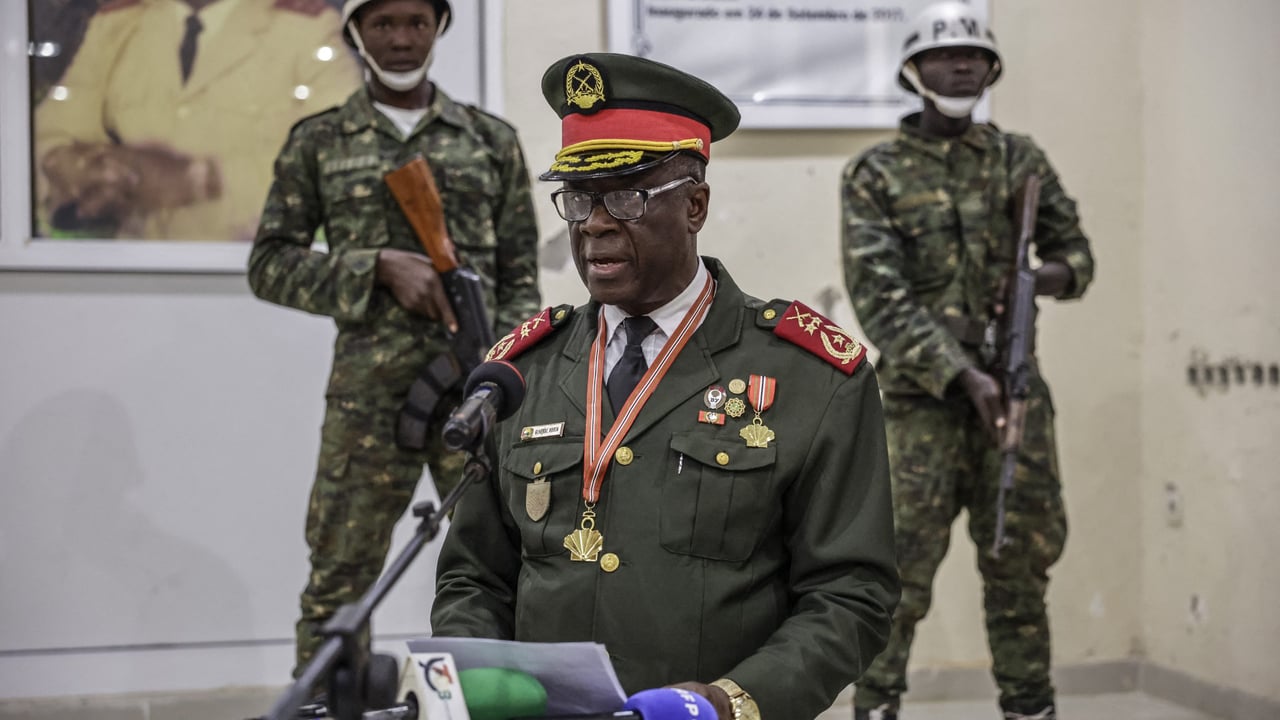
Guinea-Bissau's transitional leader, General Horta N'Tam, is consolidating power by demanding that presidential guards, previously loyal to ousted President Umaro Sissoco Embaló, surrender their arms. This move comes amidst Embaló's announced return and presidential bid, signaling the junta's increasing distance from him and raising questions about the stability and timing of the plan…
Imagine a school playground where the old leader, Embaló, was sent home, and a new leader, General N'Tam, took charge. Now, Embaló wants to come back and play again, but General N'Tam is telling the kids who were friends with Embaló to give up their toys (weapons) or face trouble. It's like the new leader wants to make sure everyone follows his rules before the big school election.
Analysis
The political landscape in Guinea-Bissau remains fraught with tension, as the ruling junta, led by General Horta N'Tam, takes decisive steps to assert its authority. The recent call for presidential guard members to surrender their weapons underscores a deepening rift between the current military leadership and the faction loyal to former President Umaro Sissoco Embaló. This move is a direct response to Embaló's announcement of his intention to return to Guinea-Bissau and contest the presidential elections scheduled for December, a development that has clearly unsettled the junta.
Umaro Sissoco Embaló
Umaro Sissoco Embaló, who was overthrown in a coup on November 26, 2025, has been a central figure in Guinea-Bissau's political drama. At the time of his ousting, many observers suspected Embaló himself might have orchestrated the coup to halt an electoral process he appeared to be losing. Despite being deposed, Embaló recently declared his candidacy for the upcoming December presidential elections, signaling his intent to reclaim power. His announced return to the country, however, was met with resistance from the junta, which cited unmet “security conditions,” effectively blocking his immediate re-entry and further escalating tensions.
General Horta N’Tam
General Horta N'Tam, the head of the transitional government, is actively working to solidify his control and distance the junta from the former president. His public call for the disarmament of Embaló's loyalists is a clear demonstration of this strategy. N'Tam has framed the presidential guard as a “poorly organized structure” and has assured that disarmed elements will not be expelled from the armed forces, though he issued a stern warning to those who refuse to comply. An African diplomat in Bissau notes that General N'Tam aims to “remain at the center of the game,” suggesting a calculated effort to maintain influence and potentially shape the future political trajectory of the nation.
Presidential Guard
The presidential guard, traditionally seen as loyal to Umaro Sissoco Embaló, has become a focal point of the current power struggle. Rumors of discontent within this elite unit emerged following Embaló's presidential candidacy announcement, leading to the disarmament and placement under control of several of its members at the general staff headquarters. General N'Tam's ultimatum for remaining elements to “voluntarily” surrender their weapons “as quickly as possible” highlights the junta's determination to neutralize any potential threats from within the military. A commission has been established to recover all war materials, emphasizing the seriousness of the junta's intent and the potential consequences for non-compliance.
Key points
- General Horta N'Tam, head of Guinea-Bissau's junta, ordered presidential guard members loyal to ex-President Umaro Sissoco Embaló to surrender their weapons.
- This directive follows Embaló's announcement of his candidacy for the upcoming December presidential elections and his planned return to the country.
- Several presidential guard elements have already been disarmed and placed under military control due to rumors of discontent.
- The junta, which overthrew Embaló in November 2025, appears to be distancing itself from the former president.
- African diplomats express doubt about whether the scheduled December elections will actually take place, citing potential for postponement.
The junta's demand for disarmament could lead to a more unified and disciplined military, potentially reducing the risk of further internal strife and creating a more stable environment for the planned December elections. If the elections proceed as scheduled and are deemed credible, it could pave the way for a peaceful return to civilian governance in Guinea-Bissau.
The ultimatum to the presidential guard could escalate tensions, potentially leading to armed confrontation if some elements refuse to comply. Furthermore, the diplomat's skepticism about the December elections suggests a possible postponement, which would prolong military rule and deepen political uncertainty, potentially triggering further instability.