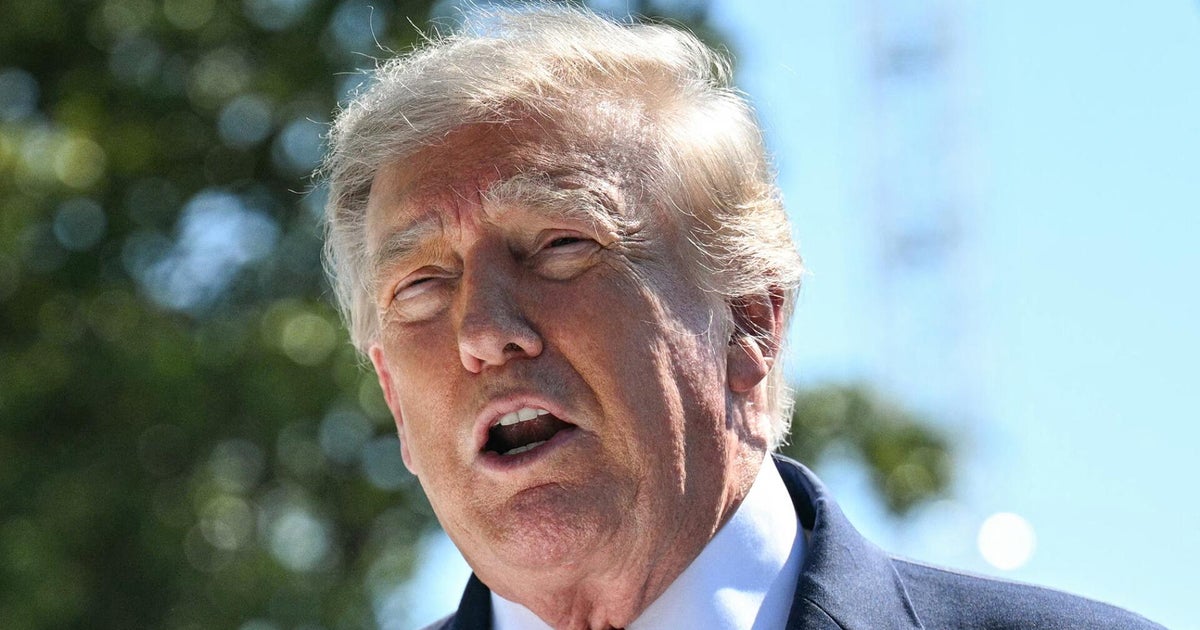
Judge rebukes Trump and DOJ over IRS lawsuit, refers lawyer for disciplinary proceedings
A federal judge has imposed professional penalties against lawyers representing President Trump in a civil lawsuit he brought against the IRS, criticizing the Justice Department for its handling of the case.
Intelligence analysis by Llama
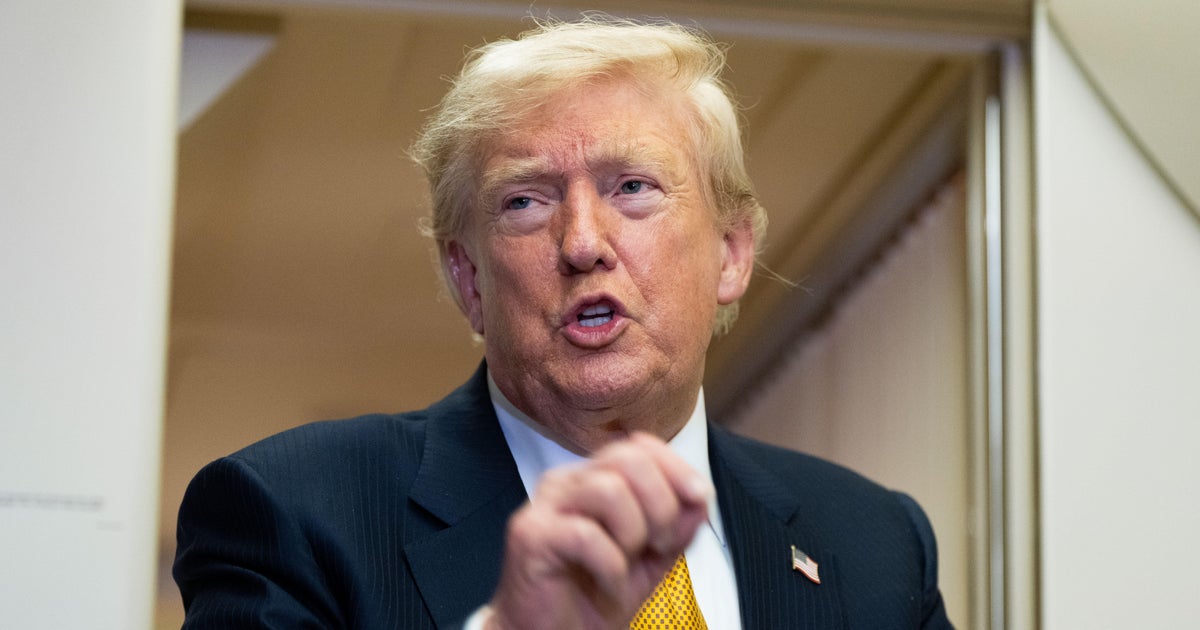
A federal judge has rebuked President Trump and the Justice Department over a civil lawsuit against the IRS, referring one of Trump's lawyers to the Florida Bar for potential disciplinary action and criticizing the Justice Department for its handling of the case.
A federal judge has rebuked President Trump and the Justice Department over a civil lawsuit against the IRS. The judge imposed professional penalties against Trump's lawyers and criticized the Justice Department for its handling of the case. This decision has significant implications for the Trump administration's handling of the case and the role of the Justice Department in resolving disputes with the president.
Analysis
A Scathing Rebuke: Judge Williams' Decision
In a 56-page decision, U.S. District Judge Kathleen Williams imposed professional penalties against lawyers representing President Trump in a civil lawsuit he brought against the IRS. The judge harshly criticized the Justice Department for its handling of the case, concluding that the suit was brought for an 'improper purpose.'
Judge Williams referred one of Mr. Trump's lawyers, Alejandro Brito, to the Florida Bar for potential disciplinary action. She also limited the ability of a second lawyer, Daniel Epstein, to practice in the Southern District of Florida. The judge barred the Justice Department, IRS, and Mr. Trump from citing or using provisions of a deal the two sides reached in judicial, administrative, regulatory, or other proceedings as evidence of a settlement in the case.
The case, Williams wrote, 'was brought for an improper purpose — to gain the imprimatur of judicial legitimacy for a 'settlement' that had no viable basis in law or fact.' Additionally, the president and his two older sons, who were plaintiffs alongside Mr. Trump, 'acted in bad faith,' she concluded.
Judge Williams' decision came in response to concerns raised by a group of 35 former judges about the settlement agreement reached in May. The deal brought to an end the $10 billion civil lawsuit the president and his two oldest sons filed against the IRS earlier this year over the leak of Mr. Trump's tax returns by a government contractor.
The settlement initially included the creation of a $1.776 billion 'anti-weaponization' fund that aimed to provide taxpayer-funded payouts to individuals who alleged the federal government had been 'weaponized' against them. However, after immense blowback from Congress and a federal judge's ruling, the Justice Department announced that it was 'not moving forward' with the program.
The former judges asked Williams in May to reopen the case between Mr. Trump and his administration, arguing that the agreement they reached to resolve the president's civil lawsuit was 'the product of collusion' and a 'fraud on the court.'
Judge Williams' decision has significant implications for the Trump administration's handling of the case and the role of the Justice Department in resolving disputes with the president. The judge's order came in response to concerns raised by a group of 35 former judges about the settlement agreement reached in May.
The Judge's Ruling: A Startling Misstatement
Judge Williams rejected characterizations of the case as 'ordinary' by Mr. Trump and his lawyers, calling it a 'startling misstatement.' 'Lead Plaintiff and Defendants are public servants — the pinnacle of the Executive Branch — sworn to uphold the law, faithfully perform the duties of their office, and protect the interests of the American public,' she wrote.
The Road Ahead: Implications for the Trump Administration
The judge's decision has significant implications for the Trump administration's handling of the case and the role of the Justice Department in resolving disputes with the president. The decision has sparked intense debate about the role of the Justice Department in resolving disputes with the president and the limits of executive power.
Conclusion: A Call for Accountability
In conclusion, Judge Williams' decision is a call for accountability and a reminder of the importance of upholding the rule of law. The decision has significant implications for the Trump administration's handling of the case and the role of the Justice Department in resolving disputes with the president.
Key points
- A federal judge has imposed professional penalties against lawyers representing President Trump in a civil lawsuit he brought against the IRS.
- The judge criticized the Justice Department for its handling of the case, concluding that the suit was brought for an 'improper purpose.'
- The judge barred the Justice Department, IRS, and Mr. Trump from citing or using provisions of a deal the two sides reached in judicial, administrative, regulatory, or other proceedings as evidence of a settlement in the case.
- The case has significant implications for the Trump administration's handling of the case and the role of the Justice Department in resolving disputes with the president.
The judge's decision may lead to increased transparency and accountability within the Trump administration, potentially limiting the president's ability to use the courts to further his personal interests.
The decision may also lead to increased polarization and partisanship, potentially undermining the rule of law and the independence of the judiciary.