Judge tells Tennessee to preserve syringes, other evidence in failed Christa Pike execution
Nashville judge orders preservation of evidence from failed execution attempt of Christa Pike, 50, who survived two botched lethal injections in Tennessee.
Intelligence analysis by Qwen 2.5 (3B)
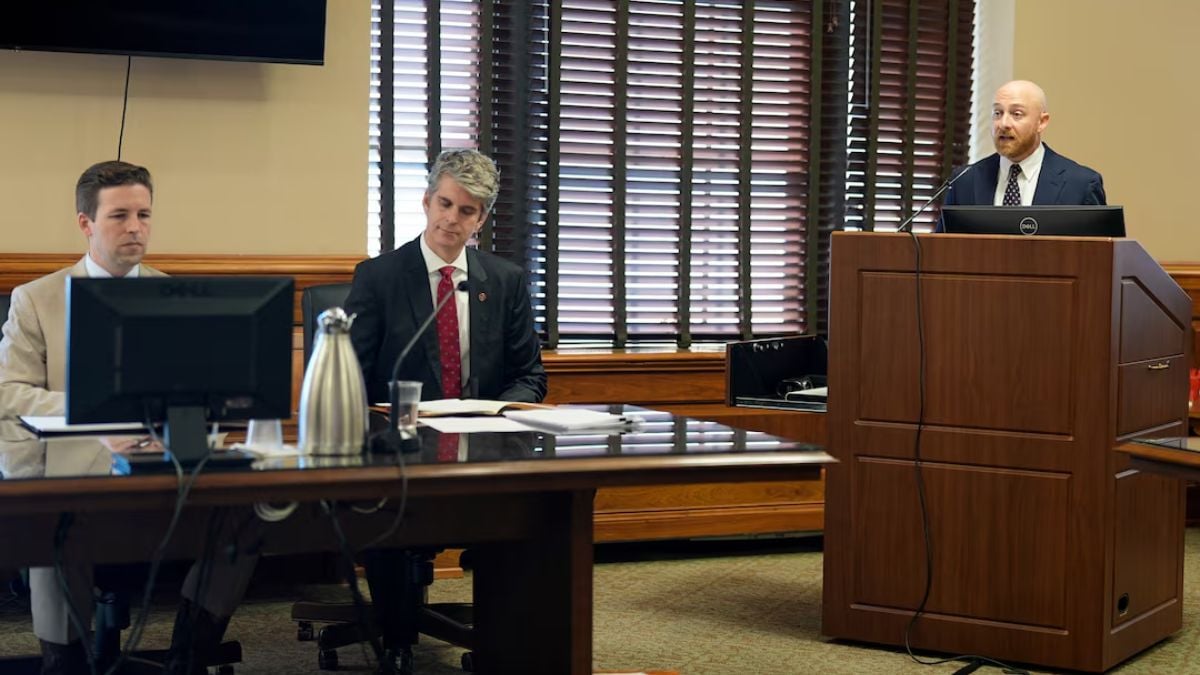
A judge in Tennessee has ordered the preservation of evidence from the failed execution of Christa Pike, a woman who survived two botched lethal injections for a 1995 murder.
A woman named Christa Pike was sentenced to death for a crime she committed when she was younger. But when they tried to kill her with a special medicine, it didn't work properly. Now, the judge says they need to keep all the tools they used to try to kill her so they can learn from their mistake and make it better next time.
Analysis
{"#Botched Execution":"The failed execution of Christa Pike, a 50-year-old woman sentenced to death for a 1995 murder, has raised concerns about the safety of lethal injection procedures in Tennessee. Pike survived two botched lethal injections, which have been described as a form of torture by her lawyers. The judge ordered the preservation of all evidence related to the failed execution, including syringes, drug packaging, and other tools used.","#Legal Challenges":"Pike's lawyers have sought to prevent the execution, arguing that the procedures violated the US Constitution's prohibition on cruel or unusual punishments. They have also requested the preservation of any residual traces of the execution drugs for chemical analysis. The Tennessee Department of Correction has opposed the preservation order, arguing that it is already legally required to preserve all evidence.","#State Response":"Tennessee Governor Bill Lee, who denied Pike's clemency request, has called the botched execution a tragedy and suspended executions for the rest of the year. Pike's lawyers have sought an alternative to lethal injections, citing her small veins and related medical conditions as a risk factor."}
Key points
- Christa Pike survived two botched lethal injections for a 1995 murder in Tennessee.
- The judge ordered the preservation of all evidence related to the failed execution, including syringes and drug packaging.
- Pike's lawyers have sought an alternative to lethal injections, citing her small veins and related medical conditions as a risk factor.
This case may lead to better safety measures for people who are sentenced to death, so that they don't suffer if the execution doesn't work properly.
If the preservation of evidence doesn't happen, it could mean that important information about the failed execution might be lost, which could make it harder to learn from the mistake and improve the process.