Keystone says website breach exposed hardware wallet buyers’ addresses
Hardware wallet maker Keystone disclosed a website breach that exposed customer shipping information, including names and addresses, raising concerns about targeted scams and physical attacks.
Intelligence analysis by Gemini 2.5 Flash
Keystone confirmed an unauthorized third party accessed customer shipping details, such as names, contact info, addresses, and order specifics. This breach has sparked fears of phishing and 'wrench attacks,' while also questioning Keystone's previously stated 180-day data retention policy.
Imagine you have a special piggy bank that keeps your digital money super safe. The company that made your piggy bank accidentally left a list of where everyone lives and what kind of piggy bank they bought out in the open. Now, bad guys might know where to find you and try to trick you into giving them your money, or even worse, try to get it from you in person.
Analysis
The recent security breach at Keystone, a prominent hardware wallet manufacturer, has unveiled significant vulnerabilities in customer data management, prompting widespread concern within the cryptocurrency community. The company confirmed that an unauthorized third party gained access to sensitive customer shipping information, including names, contact details, shipping addresses, and specific order items. This exposure is particularly alarming given the high-value nature of cryptocurrency assets and the potential for malicious actors to leverage such data for nefarious purposes.
Keystone's Data Retention
A central point of contention following the breach is Keystone's data retention policy. In a 2023 blog post, the company explicitly stated its commitment to reducing customer data retention to 180 days, a move intended to enhance security in response to prior incidents affecting other hardware wallet manufacturers. However, the current breach has revealed that some customers who made purchases more than two years ago still received breach notifications, directly contradicting this stated policy. This discrepancy raises serious questions about the integrity of Keystone's data handling practices and whether older customer records were indeed deleted as promised, eroding customer trust.
Wrench Attacks
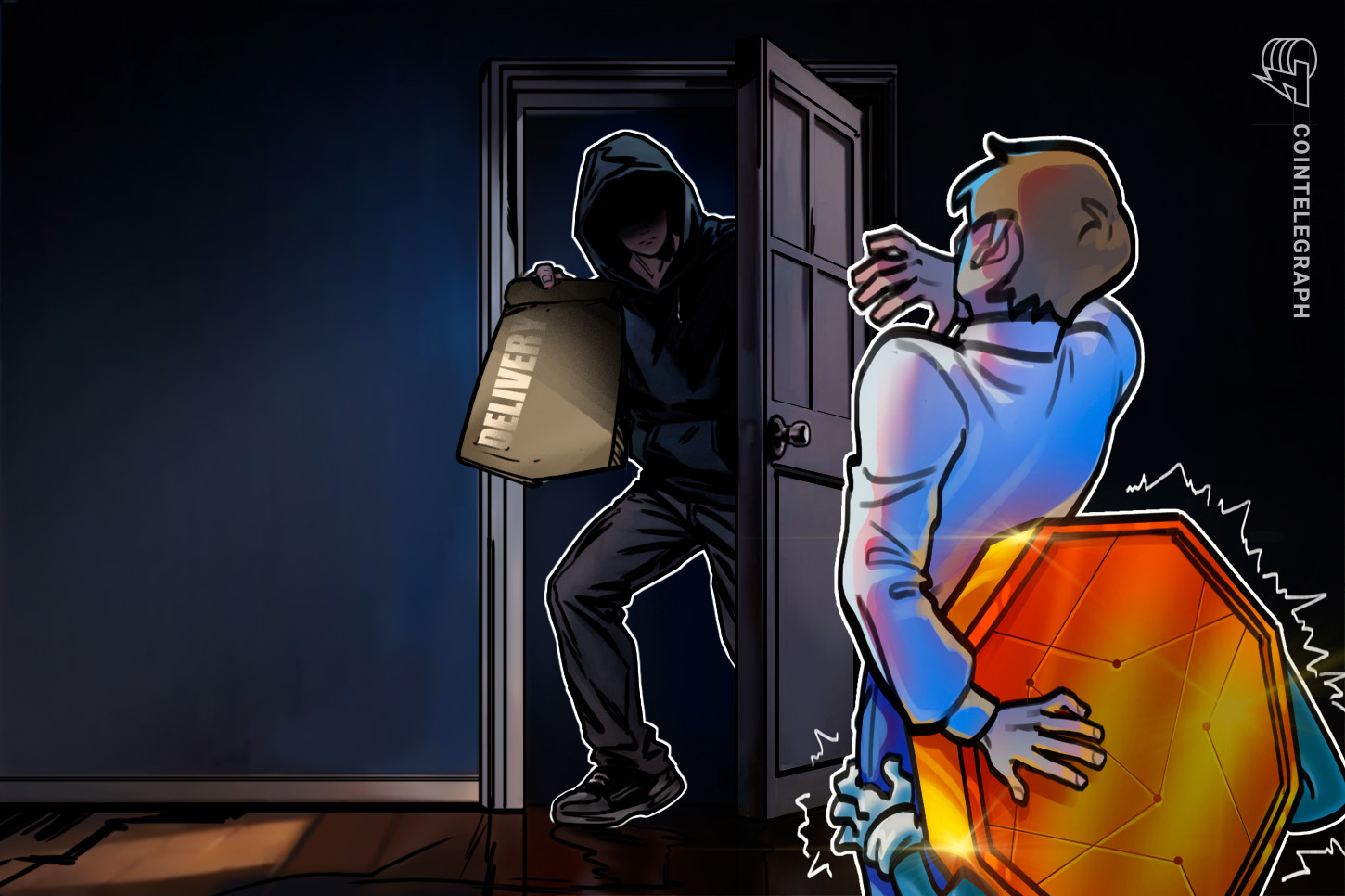
The implications of leaked shipping addresses extend beyond typical phishing scams, introducing the grave risk of 'wrench attacks.' Security researcher Taylor Monahan specifically highlighted this danger, where criminals use physical threats or violence to coerce cryptocurrency holders into surrendering their digital assets. Data from blockchain security firm CertiK indicates a concerning trend, with 52 verified wrench attacks recorded globally in the first half of 2026, marking a 33% increase from the previous year. The exposure of physical addresses directly facilitates such crimes, making hardware wallet buyers prime targets for these violent assaults.
OG DEGEN's Experience
Concrete evidence of the breach's immediate impact emerged from an X user identified as 'OG DEGEN.' This individual reported receiving a call from a scammer impersonating law enforcement, who possessed personal information seemingly derived from a Keystone order placed in 2024. The scammer's objective appeared to be convincing the user that their private keys were compromised, followed by an attempt to send a phishing link for a supposed reset. This incident underscores the direct and immediate threat posed by the leaked data, demonstrating how quickly malicious actors can weaponize personal information for sophisticated social engineering attacks aimed at stealing crypto assets.
Key points
- Keystone confirmed a website security breach exposed customer shipping information, including names and addresses.
- The exposed data could facilitate targeted phishing attacks and physical 'wrench attacks' against crypto holders.
- The breach raises questions about Keystone's 2023 promise to delete customer data after 180 days, as older customers received notifications.
- A security researcher warned of increased risk of physical attacks and kidnappings due to leaked addresses.
- An X user reported a scam call referencing a 2024 Keystone order, indicating the data was used for social engineering.
The breach could lead to an increase in targeted phishing scams and physical 'wrench attacks' against hardware wallet owners, potentially resulting in significant financial losses and personal harm. It also severely damages trust in Keystone and other hardware wallet manufacturers regarding their data security and privacy commitments.