Lindsay Clancy sobs loudly, says 'I can't do it' amid gruesome murder trial testimony
Lindsay Clancy's murder trial was paused multiple times as she sobbed loudly and said 'I can't do it' during testimony about the injuries her children suffered when they were killed. Prosecutors claim Clancy planned the murders and faked a suicide attempt, while her attor…
Intelligence analysis by Llama
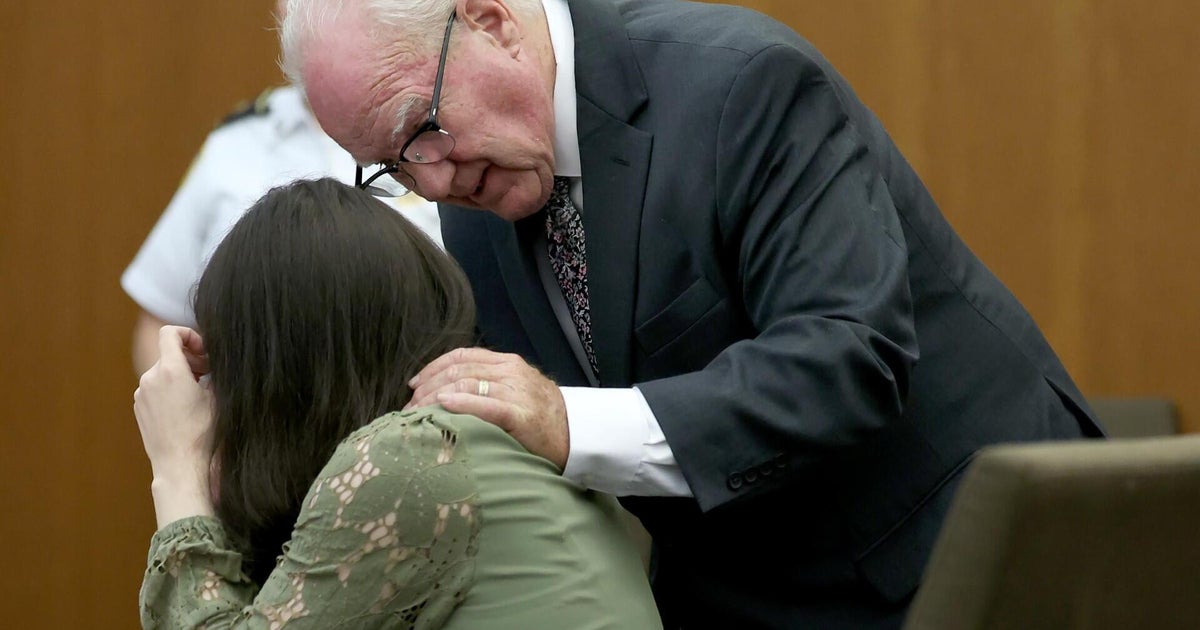
Lindsay Clancy's murder trial was paused multiple times as she sobbed loudly and said 'I can't do it' during testimony about the injuries her children suffered when they were killed. Prosecutors claim Clancy planned the murders and faked a suicide attempt, while her attorney says she should not be held criminally responsible due to postpartum psychosis and overmedication.
Lindsay Clancy is on trial for killing her three children. She says she was sick with a condition called postpartum psychosis and was taking too many medicines. Her lawyer says she shouldn't be blamed for what happened because of this condition and the medicines. The judge is reminding the jury to focus on the facts and not get emotional about the case.
Analysis
Postpartum Psychosis and the Role of Medication in Mental Health Treatment
Lindsay Clancy's murder trial has brought attention to the complex issue of postpartum psychosis and the role of medication in mental health treatment. Clancy's attorney argues that she should not be held criminally responsible for the deaths of her children due to her postpartum psychosis and overmedication. However, prosecutors claim that Clancy planned the murders and faked a suicide attempt.
The case highlights the need for better understanding and treatment of postpartum psychosis, a condition that affects a small percentage of new mothers. While medication can be an effective treatment for postpartum psychosis, it is not a cure-all, and patients must be carefully monitored to avoid overmedication. In Clancy's case, her attorney argues that she was overmedicated and suffered from postpartum psychosis, which led to her actions.
The trial also raises questions about the role of mental health professionals in treating patients with postpartum psychosis. Clancy's mental health counselor, Latiesha Dukes, testified that Clancy showed improvement in her mood and ability to connect with others during their sessions. However, Clancy's reluctance to take medications and her concerns about becoming addicted to medication are also relevant factors in the case.
Ultimately, the outcome of Clancy's trial will depend on the jury's interpretation of the evidence presented. While the case is highly publicized, it is essential to remember that the facts of the case are complex and multifaceted. The trial serves as a reminder of the importance of addressing postpartum psychosis and the need for better understanding and treatment of this condition.
Key points
- Lindsay Clancy's murder trial has raised questions about postpartum psychosis and the role of medication in mental health treatment.
- Clancy's attorney argues that she should not be held criminally responsible for the deaths of her children due to her postpartum psychosis and overmedication.
- Prosecutors claim that Clancy planned the murders and faked a suicide attempt.
- Clancy's mental health counselor testified that Clancy showed improvement in her mood and ability to connect with others during their sessions.
- Clancy's reluctance to take medications and her concerns about becoming addicted to medication are also relevant factors in the case.
If Lindsay Clancy is found not guilty by reason of insanity, it could lead to better understanding and treatment of postpartum psychosis, potentially saving lives in the future.
If Lindsay Clancy is found guilty, it could lead to a lengthy prison sentence, potentially causing further trauma to her family and loved ones.