Macron blasts 'unacceptable' and 'stupid' commentary on French protests from other leaders
Emmanuel Macron has strongly criticized foreign leaders for their "unacceptable" and "stupid" comments on the recent protests and riots in France, accusing them of "campaigning at our expense" and spreading misinformation, including AI-generated images.
Intelligence analysis by Gemini 2.5 Flash Lite
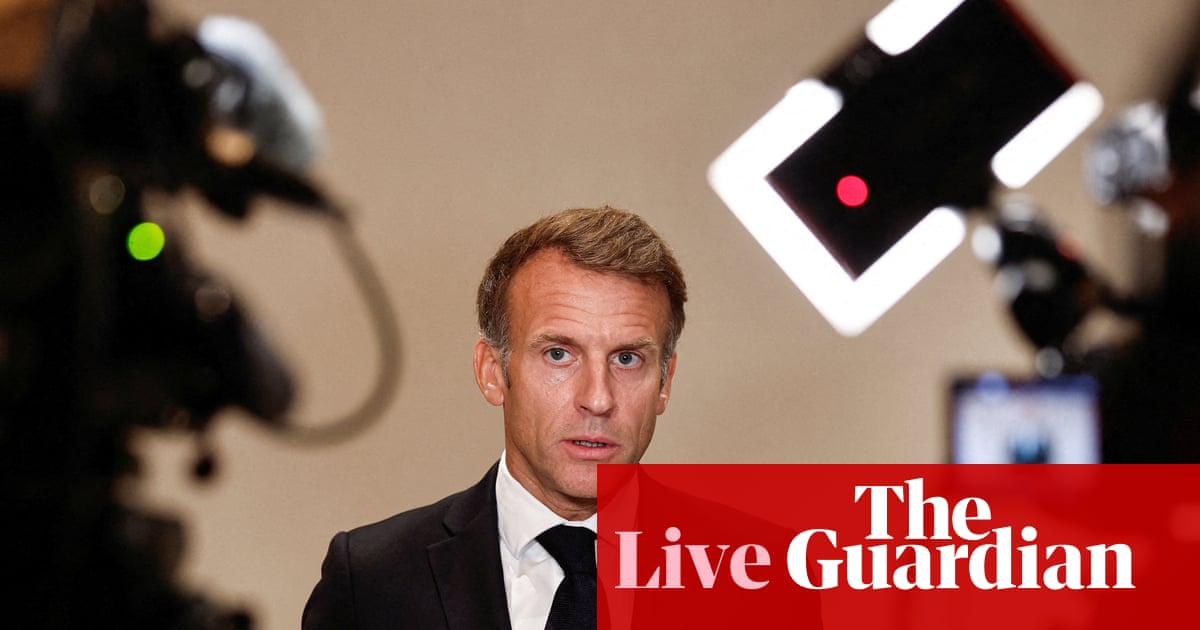
French President Emmanuel Macron expressed frustration with foreign leaders who commented on the recent unrest in France, labeling their remarks as "unacceptable" and "stupid." He accused them of exploiting the situation for their own political gain and highlighted the spread of misinformation, including AI-generated content, which falsely depicted the events.
Imagine France is having a big argument, and leaders from other countries are butting in, saying mean things. The French president is upset, saying they're spreading fake news, like pictures made by computers that aren't real, and that these leaders are just trying to make themselves look good by criticizing France.
Analysis
Emmanuel Macron
French President Emmanuel Macron has taken a firm stance against what he perceives as unwarranted and politically motivated commentary from foreign leaders regarding the recent protests and riots within France. Speaking from Doha, Macron expressed significant annoyance, labeling the external remarks as "unacceptable" and "stupid." He accused these leaders, both from within Europe and across the Atlantic, of "campaigning at our expense" by exploiting the situation for their own political agendas. Macron specifically pointed to the spread of misinformation, including images generated by artificial intelligence, which he stated depicted scenes that never occurred and falsely linked the unrest to migration and Islamist extremism. This suggests a deliberate effort by some external actors to shape narratives about France's internal stability for their own benefit.
Macron's strong reaction underscores a growing concern among national leaders about the manipulation of information in the digital age, particularly when it intersects with sensitive domestic issues. The French president indicated that upon his return, he would convene with ministers and intelligence officials to receive a comprehensive briefing on the events and the preparations for upcoming protests. This move signals a commitment to understanding the full scope of the situation and potentially developing strategies to counter external narratives and internal threats. His assertion that these comments "reveal who loves France and who does not" indicates a deeply personal and nationalistic response to what he views as an attack on French sovereignty and reputation.
Steve Witkoff
US special envoy Steve Witkoff is reported to be meeting with Russian President Vladimir Putin in St. Petersburg to discuss Ukraine. This meeting occurs amidst ongoing efforts to find a diplomatic path forward in the conflict. According to Russian state media, Putin expressed interest in restoring ties and economic cooperation with the US, referencing past deals and Trump's comments on ending the conflict. Witkoff, in turn, conveyed hope for resuming peace talks and described the recent Oslo meeting as productive, laying a foundation for a potential ceasefire. The US envoy also confirmed Russia's release of an American man, Stephen Hubbard, who had been imprisoned on charges of fighting as a mercenary in Ukraine, marking a small but significant humanitarian development.
The Kremlin's initial response to US proposals on Ukraine, as reported by Interfax, suggests a cautious approach, emphasizing that "much depends on Ukraine" and that failure to make "necessary decisions" could worsen their situation. This framing places a significant onus on Kyiv and hints at potential Russian preconditions or expectations for any peace process. The meeting between Witkoff and Putin, therefore, represents a critical juncture where direct communication between high-level US and Russian officials could influence the trajectory of the conflict, though the ultimate outcome remains heavily contingent on the actions and decisions of Ukraine itself and the willingness of both major powers to de-escalate.
Republicans
A segment of Republicans in the US Congress is reportedly pushing back against Donald Trump's perceived wavering support for Ukraine. This internal dissent within the Republican party highlights a significant division regarding foreign policy, particularly concerning aid to Ukraine and relations with Russia. Outgoing congressman Don Bacon is mentioned as one of the figures speaking out, threatening to withdraw financial support for Trump's agenda over his handling of the Ukraine war. This opposition suggests that Trump's stance on Ukraine may be alienating some within his own party, potentially impacting his political leverage and the broader US foreign policy consensus.
The article notes that these Republicans view Trump's approach as "embarrassing." This sentiment indicates a strong disagreement with Trump's softening stance, which may be interpreted as a deviation from established US policy or a perceived appeasement of Russia. The threat to withhold financial support for Trump's agenda underscores the seriousness of this internal conflict and could signal future political battles within the Republican party over foreign aid and international relations. The situation reflects a broader debate within the US about its role in global conflicts and its commitment to supporting allies like Ukraine against Russian aggression.
Key points
- French President Emmanuel Macron criticized foreign leaders for their "unacceptable" and "stupid" comments on French protests.
- Macron accused foreign leaders of "campaigning at our expense" and spreading misinformation, including AI-generated images.
- US special envoy Steve Witkoff met with Russian President Vladimir Putin in St. Petersburg to discuss Ukraine.
- Russia stated that progress on Ukraine "depends on Ukraine" and warned of worsening consequences if Kyiv doesn't make "necessary decisions."
- Some US Republicans are reportedly pushing back against Donald Trump's wavering support for Ukraine.
The meeting between US envoy Witkoff and Vladimir Putin could potentially lay groundwork for de-escalation in Ukraine, with hopes for resuming peace talks and moving towards a ceasefire. Additionally, Macron's firm stance against misinformation might encourage more responsible international discourse on sensitive domestic issues.
The Kremlin's statement that "much depends on Ukraine" could signal a hardening of Russian demands or a reluctance to engage in genuine peace negotiations, potentially prolonging the conflict. Furthermore, the spread of AI-generated misinformation, as highlighted by Macron, poses an ongoing threat to stable international relations and domestic security.