Mamdani says he won't try to arrest Israel's Netanyahu
New York City Mayor Zohran Mamdani has conceded that the city does not have the authority to arrest Israeli Prime Minister Benjamin Netanyahu. Mamdani had vowed to enforce an International Criminal Court arrest warrant accusing Netanyahu of committing war crimes during Is…
Intelligence analysis by Llama
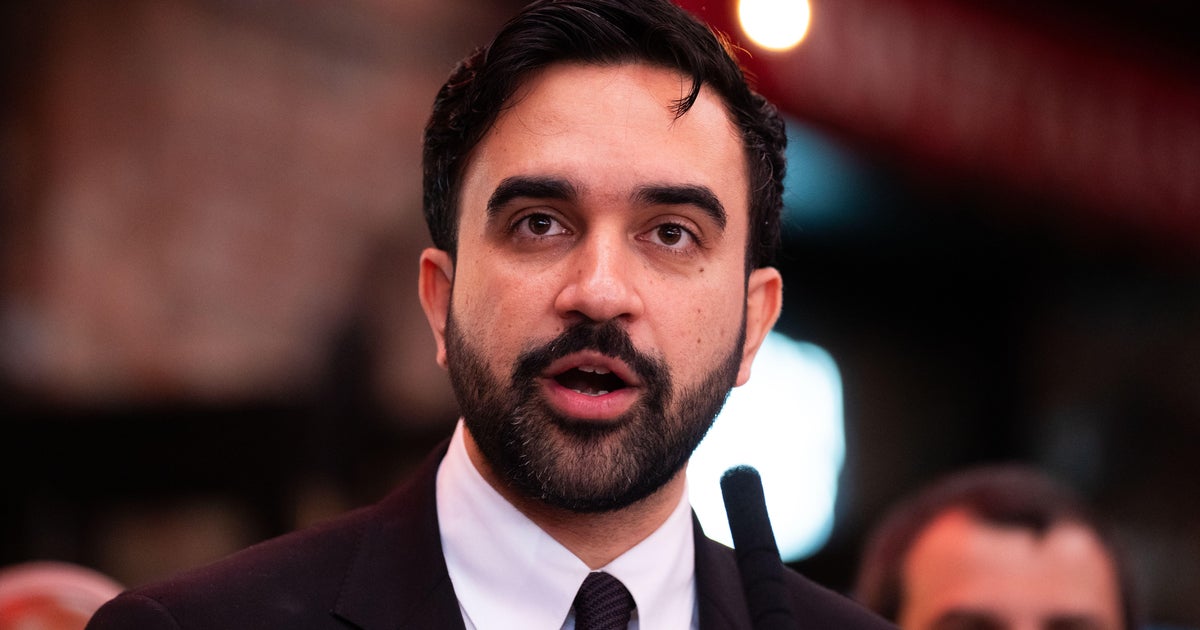
New York City Mayor Zohran Mamdani has acknowledged that the city lacks the authority to arrest Israeli Prime Minister Benjamin Netanyahu, despite earlier vows to enforce an International Criminal Court arrest warrant. Mamdani's decision comes after a review of applicable laws, which concluded that the city cannot independently enforce the warrant.
Imagine you're the mayor of a city, and you want to arrest someone who's accused of doing something very bad. But, you realize that you don't have the power to do that. That's what happened with New York City Mayor Zohran Mamdani, who wanted to arrest Israeli Prime Minister Benjamin Netanyahu but found out that the city doesn't have the authority to do so.
Analysis
A Shift in Strategy
Mamdani's decision to concede that New York City lacks the authority to arrest Netanyahu marks a significant shift in strategy for the city's administration. Initially, Mamdani had vowed to enforce the International Criminal Court's arrest warrant, which accused Netanyahu of committing war crimes during Israel's war against Hamas in the Gaza Strip. However, after reviewing applicable laws, Mamdani's administration concluded that the city cannot independently enforce the warrant.
The Role of International Law
The International Criminal Court's arrest warrant against Netanyahu is a complex issue that raises questions about the role of international law in enforcing global justice. The ICC's warrant was issued in May 2024, following an investigation into both Hamas' Oct. 7, 2023, terror attack on Israel and the Israeli military's response in Gaza. The warrant accused Netanyahu and former Israeli Defense Minister Yoav Gallant of depriving the civilian population of food, medicine, and other humanitarian aid.
Implications for the International Community
Mamdani's decision to concede that New York City lacks the authority to arrest Netanyahu has significant implications for the international community. It highlights the complexities of international law and the limitations of local authorities in enforcing global arrest warrants. The decision also underscores the ongoing tensions between Israel and the international community over issues like war crimes and human rights.
Key points
- New York City Mayor Zohran Mamdani has conceded that the city lacks the authority to arrest Israeli Prime Minister Benjamin Netanyahu.
- Mamdani's decision comes after a review of applicable laws, which concluded that the city cannot independently enforce the International Criminal Court's arrest warrant.
- The International Criminal Court's arrest warrant against Netanyahu accuses him of committing war crimes during Israel's war against Hamas in the Gaza Strip.
- The decision highlights the complexities of international law and the limitations of local authorities in enforcing global arrest warrants.
If this development plays out positively, it could lead to a more nuanced understanding of international law and the limitations of local authorities in enforcing global arrest warrants. This, in turn, could lead to more effective cooperation between countries and international organizations in addressing global justice issues.
A pessimistic outcome could be that the international community's inability to enforce the arrest warrant against Netanyahu emboldens him and other leaders to disregard international law and human rights. This could lead to further conflicts and human rights abuses.