Medicare Out-of-Pocket Costs Are Set to Increase in 2027: What Seniors Should Budget For
Seniors on Medicare should prepare for modest cost increases in 2027, with Part B premiums projected to rise by $6.60 per month. Building a cushion in a fixed-income budget can help absorb these increases.
Intelligence analysis by Llama
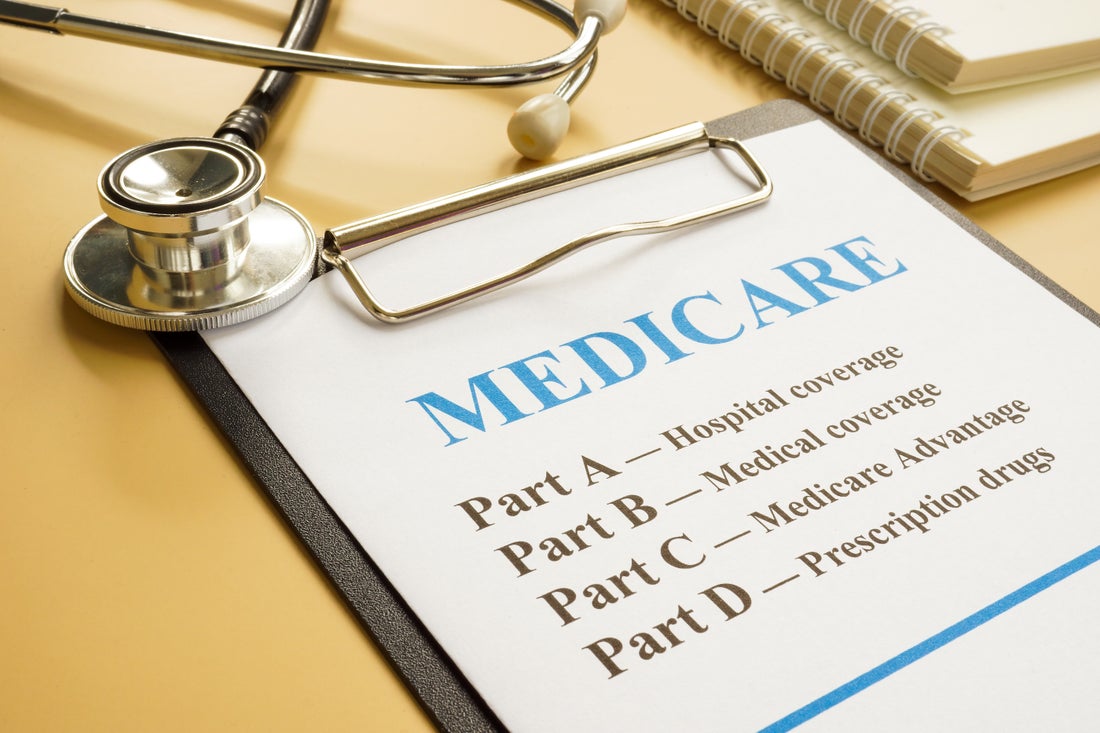
Medicare out-of-pocket costs are set to increase in 2027, with Part B premiums projected to rise by $6.60 per month. Seniors should consider building a cushion in their fixed-income budget to absorb these increases.
Imagine you have a budget for your retirement, and you need to save a little extra money each year to cover the increasing costs of Medicare. It's like building a safety net to make sure you have enough money when you need it.
Analysis
Projected 2027 Medicare Increases
Medicare Cost 2026 Projected 2027 Increase Standard Part B premium $202.90 per month $209.50 per month $6.60 per month Part B deductible $283 $292 $9 Part A hospital deductible $1,736 $1,788 $52 Part D base premium $38.99 $41.33 $2.34 Part D deductible $615 $700 $85 Data source: My Federal Retirement. Note: These figures remain projections until the Centers for Medicare & Medicaid Services (CMS) releases the official rates in the fall.
What Seniors Can Do Now
It's a good idea to build a modest cushion of a few hundred dollars annually into a fixed-income budget to absorb Medicare cost increases without disruption. Planning for the worst-case scenario may be unpleasant, but it's the surest way to ensure the money is there when it's needed. Higher-income retirees who may face additional IRMAA (income-related monthly adjustment amount) surcharges on top of the standard premiums should consider whether upcoming required minimum distributions (RMDs) from tax-advantaged retirement accounts or other income could push them into a higher premium bracket. If so, there are strategies they may want to employ.
Strategies to Avoid IRMAA Surcharges
Time the arrival of funds: You may not be able to delay RMDs, but if you can delay all or part of other income sources until a year when your overall income is lower, you may be able to avoid the IRMAA surcharge. Take advantage of tax-loss harvesting: If you have underperforming assets in taxable accounts, consider selling some of them. Those losses can offset gains, lower your taxable income, and potentially help you avoid the Medicare upcharge. Review your investments: A valuable tip for the future is to review your holdings and consider shifting toward tax-efficient investments that generate less taxable income, such as municipal bonds or growth stocks that don't pay dividends. Work with a professional: An experienced financial fiduciary can be worth their weight in gold when it comes to IRMAA-avoiding strategies.
Key points
- Medicare out-of-pocket costs are set to increase in 2027, with Part B premiums projected to rise by $6.60 per month.
- Seniors should consider building a cushion in their fixed-income budget to absorb these increases.
- Higher-income retirees may face additional IRMAA surcharges on top of the standard premiums.
- Strategies to avoid IRMAA surcharges include timing the arrival of funds, taking advantage of tax-loss harvesting, and reviewing investments.
If seniors plan ahead and take advantage of strategies to minimize the impact of Medicare cost increases, they may be able to avoid significant disruptions to their budget. This could lead to a more stable and secure retirement.
If seniors fail to plan ahead and do not take advantage of strategies to minimize the impact of Medicare cost increases, they may face significant disruptions to their budget. This could lead to financial stress and uncertainty in retirement.