Mental health groups have ‘failed to acknowledge’ risk of violence, says Mind chief
Mind chief warns mental health charities have avoided discussing violence risk from a minority of people with mental illnesses.
Intelligence analysis by Qwen 2.5 (3B)
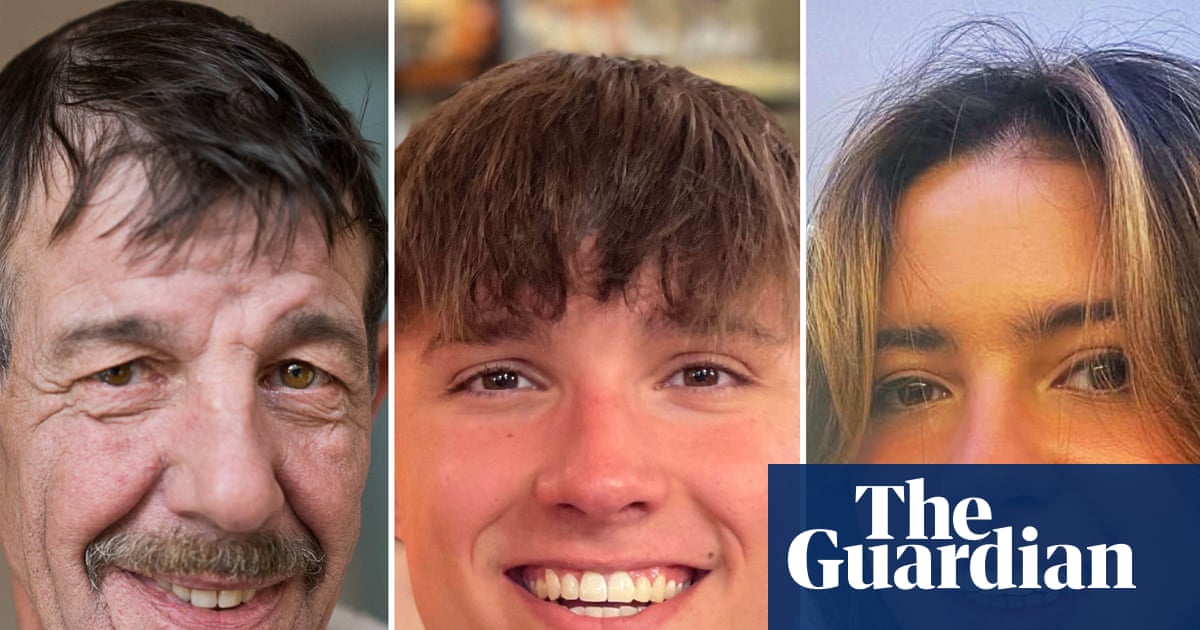
Mind chief Sarah Hughes warns mental health charities have failed to acknowledge the risk of violence from a minority of people with mental illnesses, citing stigma and discrimination as reasons.
Mind, a mental health charity, says they haven't talked enough about how some people with mental illnesses might be dangerous and hurt others. They think this is because people are afraid of making people feel bad about having mental illnesses.
Analysis
{"
Mental Health Stigma and Discrimination":"The article discusses how mental health charities have avoided addressing the risk of violence due to concerns about stigma and discrimination. Dr. Sarah Hughes, Mind's chief executive, explains that the sector has held the narrative that the majority of people do not commit violent crimes, which has led to the topic being brushed under the carpet.","
The Nottingham Attacks Inquiry":"The article mentions the Nottingham attacks inquiry, which examined the events leading up to the attacks. The inquiry heard evidence from various local authorities, including health professionals and police officers, as well as Calocane's family. The inquiry heard how Calocane had committed a string of violent incidents and was sectioned multiple times.","
Expert Opinions":"Experts such as Professor Seena Fazel of the University of Oxford have stated that a minority of people with mental illnesses do commit violent acts, but the risk is small. High-quality research on schizophrenia has converged on this picture, indicating that the risk increases when other factors are present, such as drug or alcohol problems, a history of violence, or having been a victim of violence themselves."}
Key points
- Mind chief warns mental health charities have avoided discussing the risk of violence from a minority of people with mental illnesses.
- Experts like Professor Seena Fazel have stated that a minority of people with mental illnesses do commit violent acts, but the risk is small.
- The Nottingham attacks inquiry heard evidence of Calocane's violent incidents and multiple sectionings.
By having open conversations about the risks, mental health charities can help keep people safe and reduce stigma.
If mental health charities continue to avoid talking about the risks, it could lead to dangerous health outcomes and a return to more restrictive approaches.


