Meta announces camera-free glasses, dedicated Muse AI gadget, more
Meta unveiled new AI-powered devices, including camera-free smart glasses and a dedicated AI assistant gadget, at its Connect 2026 event.
Intelligence analysis by Gemini 2.5 Flash Lite
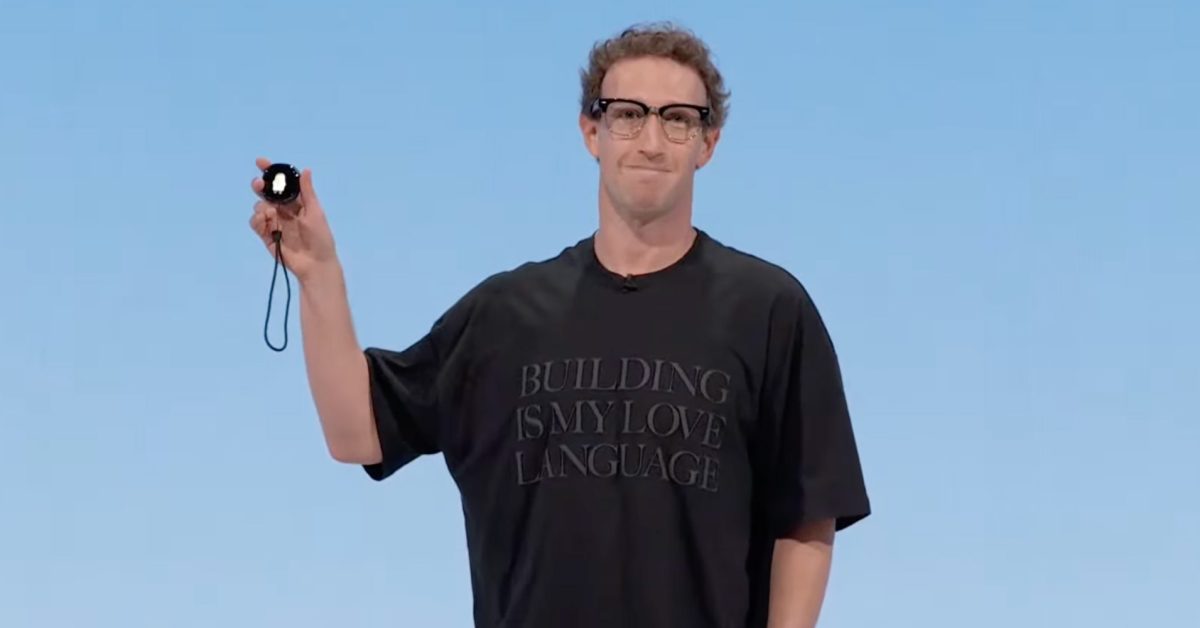
Meta is expanding its AI hardware with camera-free smart glasses and a new palm-sized AI assistant device called the Muse Charm, alongside updated VR headsets and more affordable smart glasses options.
Imagine Meta is making new gadgets. They have smart glasses that don't record video anymore, like regular glasses but play music. They also made a tiny, friendly robot helper called Muse Charm that you can talk to and it helps you with things, like a super-smart Tamagotchi.
Analysis
Ray-Ban Meta Audio
Meta's latest foray into smart eyewear introduces the Ray-Ban Meta Audio, a significant pivot by offering a camera-free model. This move directly addresses the growing privacy and ethical concerns that have surrounded its previous camera-equipped smart glasses. By removing the camera, Meta aims to broaden the appeal of its smart glasses to a wider audience who may have been hesitant due to surveillance anxieties. The device retains core functionalities like music playback, call handling, and live translation, all powered by Meta's Muse AI assistant, demonstrating that audio-centric smart features are still a priority.
The launch of the Ray-Ban Meta Audio at $349, available from October 13, positions it as a more accessible entry point for consumers interested in AI-integrated wearables without the visual privacy implications. This strategy could help Meta capture a larger market share by mitigating a key barrier to adoption. The company's continued partnership with EssilorLuxottica, which has already seen significant sales of previous models, underscores the commitment to evolving the smart glasses category.
Meta VR Glasses
Beyond eyewear, Meta is also redefining virtual reality with the Meta VR Glasses. These devices are designed to look and feel more like traditional glasses, weighing around 100 grams. This design choice aims to make VR more comfortable and less intrusive for extended use, potentially blurring the lines between virtual and augmented reality experiences. The headset boasts a "5K Infinite Display" using micro-OLED panels, integrated Meta AI, and advanced eye and hand tracking, all managed by a separate processing unit.
Positioned as a versatile device for personal cinema, gaming, and productivity, the Meta VR Glasses also achieve IMAX Enhanced certification, highlighting Meta's ambition to deliver premium entertainment experiences. The introduction of a hologram feature for photorealistic avatars in video calls, with future integration into Meta Ray-Ban Display, further showcases Meta's vision for more immersive and expressive digital communication. The projected spring 2027 release and $1,299.99 price point indicate a premium, forward-looking product.
Muse Charm
The Muse Charm represents Meta's most distinct new AI hardware. This palm-sized, "holdable" device is built exclusively for its Muse AI assistant, which has already seen considerable success. Developed by Meta's new design lab, led by former Apple designer Alan Dye, and its Superintelligence AI group, the Charm features a 2-inch OLED touchscreen displaying a customizable Muse character. Users can personalize its appearance, voice, and interact directly with the AI.
While equipped with cameras, Meta emphasizes their use for providing visual context to Muse for AI-assisted actions rather than traditional photography. The device also includes speakers, microphones, 5G connectivity, and a USB-C port. The ability for two Charm devices to recognize and interact with each other adds a novel social dimension. Slated for a December release, with pricing expected to be comparable to a smartwatch, the Muse Charm signals Meta's interest in dedicated, personal AI companions that go beyond smartphone integration.
Key points
- Meta launched camera-free Ray-Ban Meta Audio smart glasses starting at $349.
- The company also introduced the Ray-Ban Meta (Gen 3) with design updates and a new action button for $449.
- Meta unveiled the Meta VR Glasses, a lightweight VR headset with a 5K display, for $1,299.99, launching in spring 2027.
- A new Muse Charm, a palm-sized AI assistant device, is set to ship before the holidays.
- Meta is expanding its Meta Glasses lineup with new styles and a more affordable $249 Meta Adventurer model.
Meta's diverse AI hardware announcements could lead to more integrated and accessible AI experiences, with camera-free glasses appealing to privacy-conscious users and the Muse Charm offering a novel personal AI companion. The VR glasses aim to enhance immersive entertainment and productivity, potentially setting new standards in the VR market.
The success of these new devices hinges on user adoption and overcoming persistent privacy concerns, especially for the Muse Charm with its cameras. High price points for the VR glasses and potential competition in the AI assistant market could limit their widespread impact.