Middle East crisis live: Houthis warn passengers against using Saudi airport after deadly attack on Riyadh
Houthis have warned travelers and airlines against using Saudi airports after a deadly attack on Riyadh's King Khalid International Airport, which killed 12 and injured hundreds. US President Donald Trump is considering joining Saudi strikes against the Iran-backed group.
Intelligence analysis by Gemini 2.5 Flash
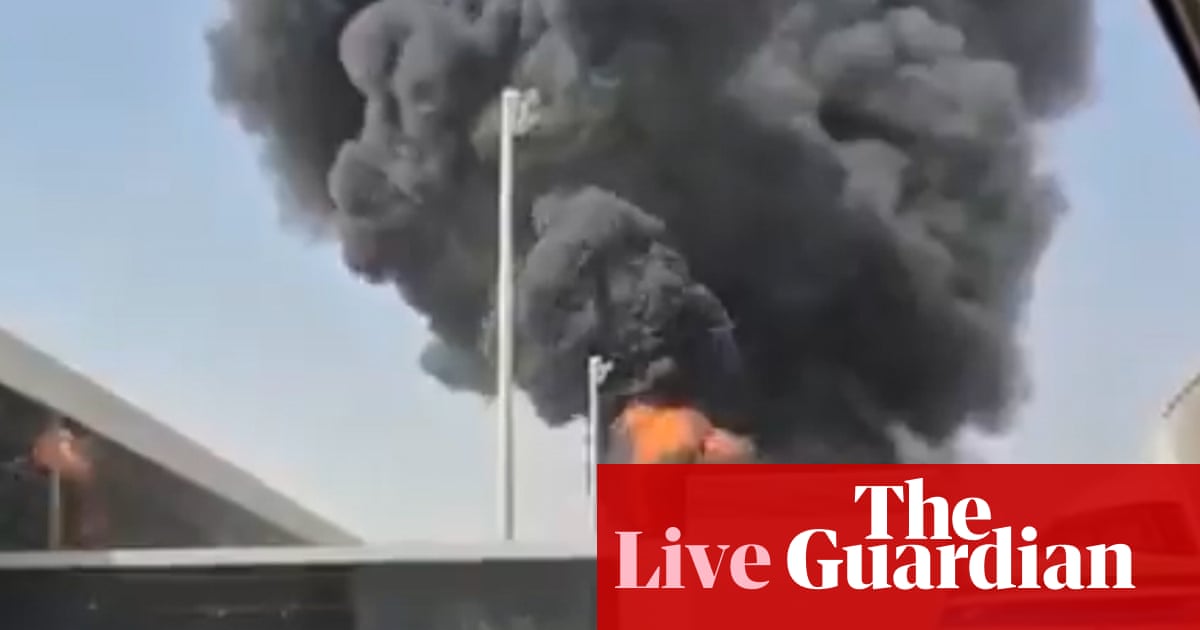
Following a devastating missile attack on Riyadh's main airport that resulted in 12 deaths and over 300 injuries, the Houthi group has issued a stark warning to all travelers and airlines to avoid Saudi airspace and airports. This escalation comes as the Houthis have made significant territorial gains in Yemen and along the Red Sea, prompting the US to weigh potential military interve…
Imagine two groups of kids fighting over a playground. One group, the Houthis, just threw a big rock at the other group's (Saudi Arabia's) main gate, hurting some people. Now, the Houthis are saying, "Don't even come near any of their gates, or we'll throw more rocks!" This fight is also happening near a very important road where everyone drives their cars to get gas, so it's making grown-ups around the world worried about getting their fuel. Even the US President is thinking about joining the fight to help Saudi Arabia.
Analysis
The recent Houthi attack on King Khalid International Airport marks a critical turning point in the ongoing conflict, demonstrating the group's enhanced capability to strike deep within Saudi territory. The assault, which targeted terminals 3 and 4, resulted in a significant loss of life, with 12 fatalities and 309 injuries, including citizens from multiple nations. This incident is the third attack on Riyadh's main airport within a week and the deadliest in Saudi Arabia in over a decade, underscoring the vulnerability of key Saudi infrastructure despite existing air defenses. The closure of King Khalid and the Houthi's subsequent warning against using any Saudi airports signal a deliberate strategy to inflict economic and psychological pressure on the kingdom, disrupting air travel and daily life.
Bab al-Mandab
The Houthis' strategic gains in recent weeks, particularly their control over islands in the Bab al-Mandab strait and stronger positions along the Red Sea, are profoundly significant. These waterways are crucial for global trade, especially for oil shipments. The article highlights that Saudi Arabia, a top oil exporter, had been diverting its oil flows through this passage due to the Strait of Hormuz being shut off. The Houthi's ability to control or threaten this alternative route presents a severe risk to international energy security and global supply chains. Their expansion into these maritime territories indicates a shift in their operational focus, extending the conflict's reach beyond Yemen's land borders and into vital international shipping lanes.
Donald Trump
The international response to the escalating Houthi aggression has been swift, with US President Donald Trump indicating that Washington is considering joining Saudi Arabia in carrying out air strikes against the group. This potential direct US military involvement would represent a significant escalation of the conflict, moving beyond logistical and intelligence support to active combat operations. Trump's statement, made shortly after the deadly Riyadh attack, reflects the gravity with which the US views the Houthi's actions and their potential to destabilize the broader Middle East. Such a move could reshape the dynamics of the Yemen war, potentially leading to a more direct confrontation with Iran, which is described as backing the Houthis, and further entangling international powers in the protracted regional conflict.
Key points
- Houthis have warned travelers and airlines against using Saudi airports after a deadly attack on Riyadh's King Khalid International Airport.
- The Saturday attack killed 12 people, including foreign nationals, and injured 309, marking the deadliest assault in Saudi Arabia in over a decade.
- US President Donald Trump is considering whether the US will join Saudi strikes against the Iran-backed Houthi group in Yemen.
- The Houthis have recently seized control of islands in the Bab al-Mandab strait and strengthened positions along the Red Sea, critical for oil shipping.
- Several airlines, including Air India and Lufthansa Group, had already suspended flights to Saudi cities due to previous warnings and escalating conflict.
The Houthi's explicit warning and continued attacks risk a severe escalation of the conflict, potentially leading to more civilian casualties and widespread disruption of air travel across Saudi Arabia. Direct US military intervention could broaden the war, drawing in more regional and international actors and further destabilizing the Middle East, with significant negative impacts on global oil supply routes and prices.
Market signals
- OIL Houthi control over the Bab al-Mandab strait and Red Sea positions threatens critical oil shipping routes, pushing prices higher due to supply risk.
- XAU Escalation of conflict in the Middle East, including potential US intervention, typically drives safe-haven demand for gold.
AI-generated analysis of potential market relevance. Not financial advice.